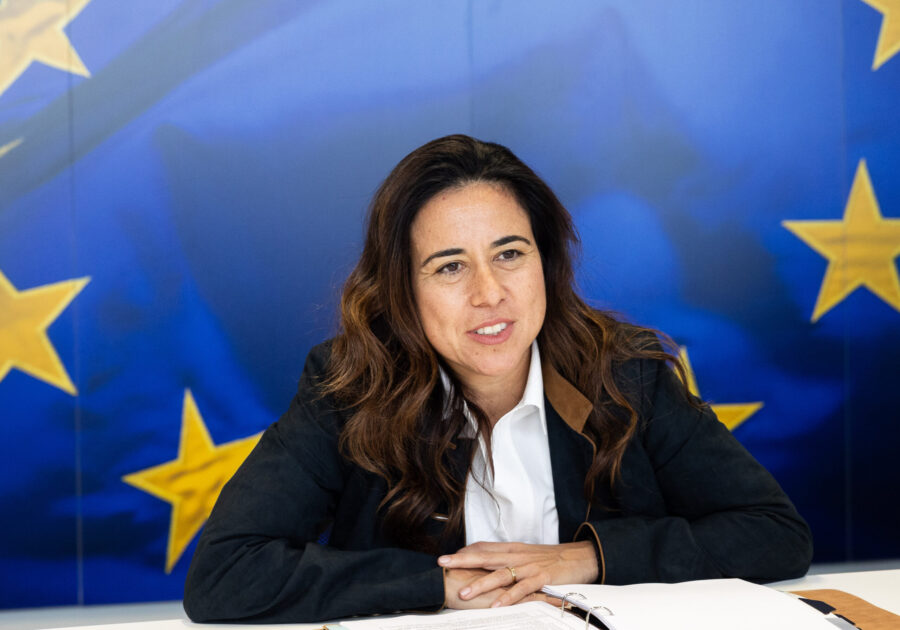
The United Arab Emirates has entered the contest to select the next United Nations secretary-general, nominating senior diplomat Lana Zaki Nusseibeh as the race intensifies ahead of the end of António Guterres’ term in December.
The nomination, formally communicated to UN member states on October 21, adds a new contender to a selection process that has yet to produce a candidate with sufficient support among the five permanent members of the Security Council.
Nusseibeh, 48, is the UAE’s minister of state for foreign affairs and served as the country’s ambassador to the United Nations from 2013 to 2024. She has pledged to strengthen the organisation’s role in resolving international conflicts and advancing multilateral diplomacy. If appointed, she would become the first woman to serve as UN secretary-general.
Her candidacy comes amid scrutiny of the UAE’s foreign policy, particularly allegations that Abu Dhabi provided support to Sudan’s Rapid Support Forces during the country’s civil war. The UAE has denied those allegations. Reuters reported that Nusseibeh said she had taken leave from her government position to pursue the candidacy.
The new nomination follows the withdrawal of former Senegalese president Macky Sall, whose candidacy was withdrawn by Burundi on October 20.
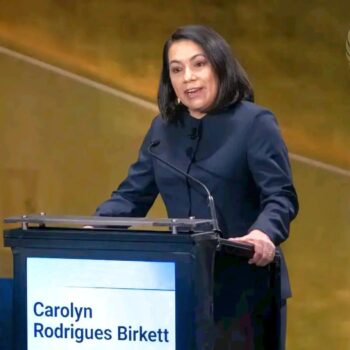
Meanwhile, Guyana’s candidate, Carolyn Rodrigues-Birkett, has slipped to third place but remains in contention alongside Costa Rica’s Rebeca Grynspan and Argentina’s Rafael Grossi, among others.
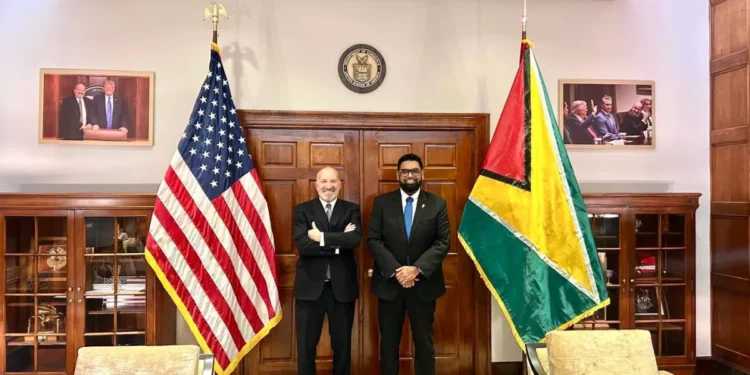
Rodrigues-Birkett, Guyana’s permanent representative to the United Nations and a former foreign minister, was nominated on June 15. She has been among the leading candidates in the Security Council’s informal voting rounds, although the results indicate that securing broader support remains a challenge.
According to PassBlue, an independent publication covering the United Nations, the Security Council’s October 16 straw poll placed Grynspan first with nine votes encouraging her candidacy, while Rodrigues-Birkett and Grossi each received eight. Rodrigues-Birkett received six votes discouraging her candidacy and one expressing no opinion. Grossi received the same overall number of encouraging votes but had two discouraging votes.
The October 16 round was significant because the Council used colour-coded ballots for the first time, distinguishing the preferences of its five permanent members from those of the 10 elected members. The permanent members are China, France, Russia, the United Kingdom and the United States, each of which holds veto power.
Although these informal straw polls provide an indication of candidates’ standing, they are conducted privately and do not constitute a formal election. The UN has not publicly released official voting totals.
The next scheduled milestone is an interactive dialogue with Nusseibeh on October 27, confirmed in a letter issued by the President of the General Assembly on October 23.
Under Article 97 of the UN Charter, the Security Council must recommend a candidate for appointment by the General Assembly. A candidate needs at least nine votes from the 15-member Council and must avoid a veto from any permanent member.
The successful candidate is expected to assume office on January 1, 2027, when Guterres’ second term ends. With another candidate now in the race and no clear consensus established, the selection remains open.