A child struggling to understand mathematics in a Guyanese classroom today could become tomorrow’s engineer, scientist, doctor or entrepreneur. But without the right support, encouragement and opportunities to learn, that potential may never be realised.
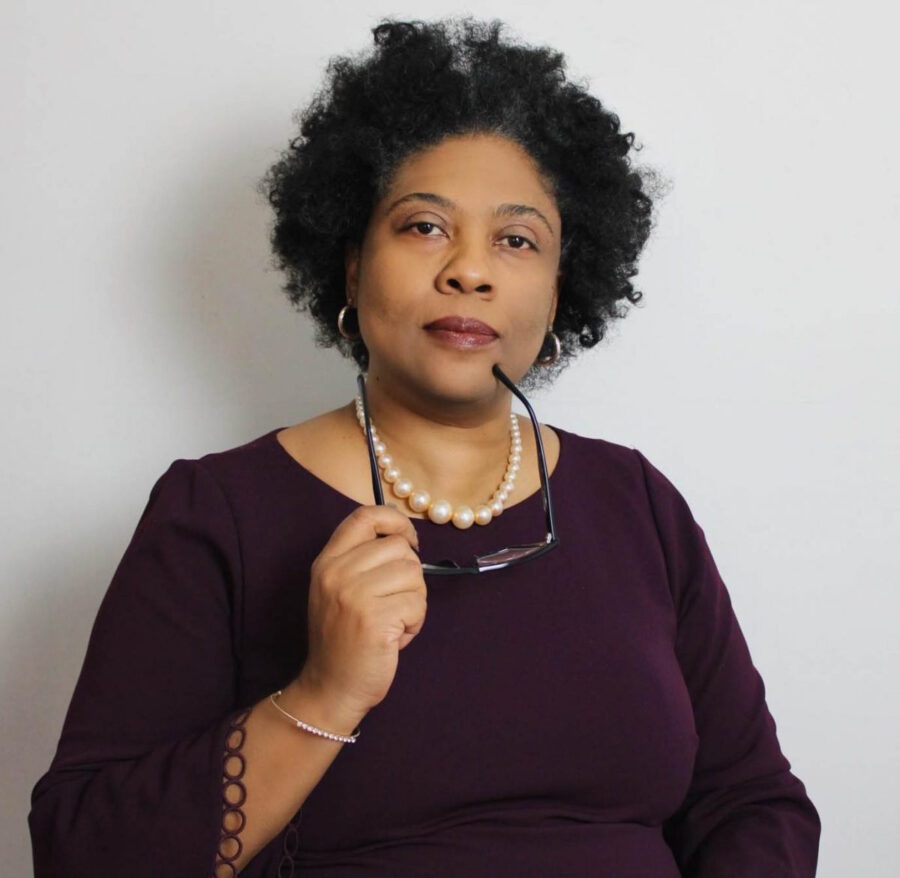
That is the message from education advocate Dr Karen Abrams, founder and Executive Director of STEMGuyana and Pathway Online Academy, who is urging parents, teachers and communities to stop judging children by their current academic performance and instead help them overcome the obstacles preventing them from succeeding.
In an opinion article published by Kaieteur News on October 18, 2026, Abrams drew on her experience working with children through STEMGuyana and her leadership of Pathway Online Academy to argue that academic struggles should not be mistaken for an inability to learn.
“We must stop treating academic weakness as a character flaw and begin treating it as a problem that can be diagnosed and addressed,” she wrote.
Her appeal comes amid persistent concerns about learning outcomes in Guyana, particularly in mathematics, and whether children are receiving the support needed to progress through school.
Examination results highlight learning gaps
Guyana’s examination results illustrate the challenge. According to the Ministry of Education’s 2026 CSEC mathematics results, the national pass rate rose from 32 per cent in 2025 to 34.5 per cent in 2026. This means approximately 65.5 per cent of candidates did not achieve a passing grade in the subject.
At the primary level, the 2025 National Grade Six Assessment results showed a mathematics pass rate of 55.51 per cent and an English Language pass rate of 69.2 per cent.
While results have improved in some areas, the figures highlight the number of students who may need additional support. Examination performance alone, however, cannot explain why individual children struggle or determine their future potential.
School retention and dropout concerns
Keeping children in school and ensuring they complete their education are also critical.
The Inter-American Development Bank’s report, The State of Education in Latin America and the Caribbean, estimated that approximately 28 per cent of Guyanese aged 12 to 17 were out of school and had not completed secondary education, based on Guyana’s 2021 Labour Force Survey. The report estimated the rate at 32 per cent in rural areas and 26 per cent in urban areas. These figures reflect a broader measure of school disengagement, not simply students formally recorded as dropouts. The findings are available in the IDB’s regional education report.
More recently, the Ministry of Education reported a 97.96 per cent secondary-school retention rate for a cohort affected by COVID-19 disruptions. Of 769 students from the original cohort who did not proceed to sit CSEC in 2026, 488 had chosen technical and vocational education instead, according to the ministry’s secondary-school retention report.
The figures underscore the importance of identifying students who are falling behind, understanding why they disengage and ensuring academic and vocational pathways remain accessible.
Parents and communities can make a difference
Abrams argues that support need not wait for a new government programme or major education reform. Parents, grandparents, older siblings, university students and community volunteers can help children develop stronger learning habits.
She recommends that an adult work with a struggling child at least three days each week, helping with assignments, identifying weaknesses and practising difficult subjects. Rather than repeatedly telling children to study harder, adults should identify the specific skills they have not yet mastered.
She also encourages parents to explore after-school programmes, reading groups, STEM clubs, sports and other structured activities that help children develop confidence, friendships and problem-solving skills.
Abrams stressed that progress, even when gradual, deserves recognition. A child who improves a test score, reads independently or finally understands fractions should be encouraged to keep trying.
“The goal is to build confidence through genuine improvement, not empty praise,” Abrams wrote.
She further urged parents to investigate bullying, repeated teacher absenteeism and other problems that may interfere with learning, while making time to discuss children’s fears, ambitions and experiences.
Investing in children is investing in Guyana
As Guyana’s oil-driven economy expands, the country’s future will depend on whether its children receive the education, skills and support needed to participate in that growth. Dr Abrams has warned that children who leave school without strong literacy, numeracy and problem-solving skills risk being shut out of opportunities, representing a loss not only for themselves and their families, but for the nation.
In a separate article published by Village Voice News on October 18, Abrams underscored the importance of the African proverb, “It takes a village to raise a child,” arguing that responsibility for children’s development cannot rest solely on parents, particularly when families are struggling with financial hardship, long working hours and competing responsibilities.
She called for government, schools, businesses, religious organisations and community groups to work together to provide safe after-school spaces, homework supervision, mentoring and additional academic support. Retired teachers could guide small groups, churches and community centres could offer supervised study spaces, and older students could mentor younger learners.
Abrams cautioned that technology and educational programmes alone cannot overcome every barrier when children are hungry, distressed or left without adult supervision. Her message is that no child should be abandoned to struggle alone simply because their family lacks the time or resources to provide the support they need.
With consistent guidance, targeted instruction and a caring community, children who are falling behind can rebuild their confidence, close learning gaps and develop the skills to contribute to Guyana’s future. Investing in children, Abrams argues, requires more than building schools or expanding access to technology; it requires a society willing to share responsibility for helping every child realise their potential.