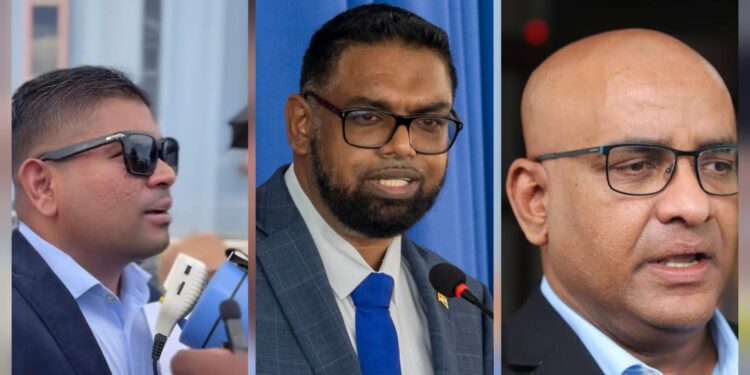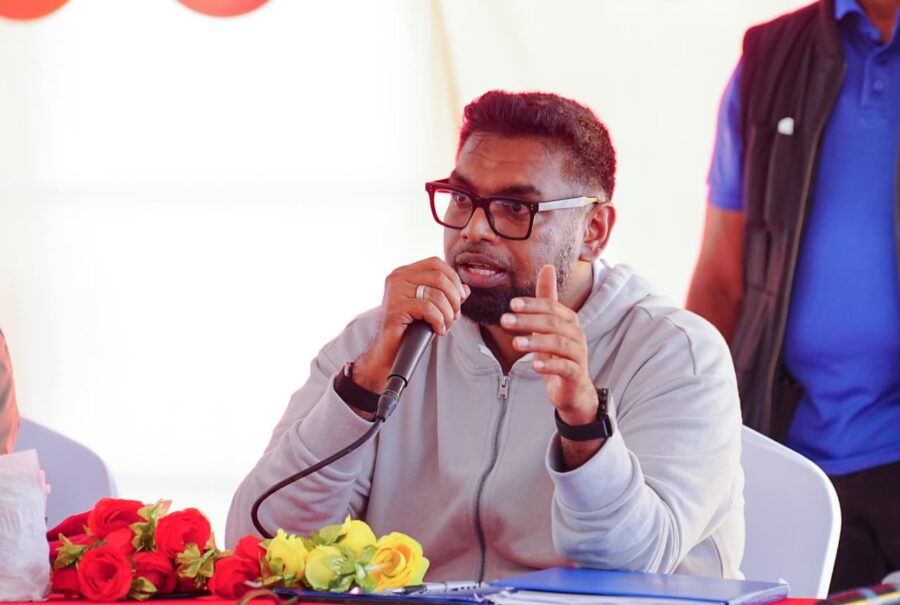
Guyana’s Constitution permits the death penalty following a lawful conviction, and the country’s criminal laws retain capital punishment for certain categories of murder. Yet, following the horrific death of six-year-old Orlando Jaikarran, President Irfaan Ali has called for a fresh examination of hanging without clearly explaining what his proposed review would change in a legal system that has not carried out an execution since 1997.
Article 138(1) of Guyana’s Constitution provides that a person may be deprived of life through the execution of a court sentence for an offence under Guyanese law of which that person has been convicted. The Criminal Law (Offences) Act, Chapter 8:01, as amended in 2010, removed the mandatory death penalty for murder and restricted capital punishment to specified categories of murder.
The law therefore already provides for the ultimate punishment in certain circumstances. The question Ali must answer is why he believes a review is necessary, what changes he intends to pursue and whether his government is prepared to address the weaknesses that continue to undermine public confidence in justice.
The President made his position clear on Tuesday, October 20, after Orlando’s body was discovered in a canal at Bath Settlement, West Coast Berbice, following a search that began when the child was reported missing.
Speaking to News Room journalist Neil Marks, Ali described the circumstances surrounding the child’s death as “atrocious” and said he had instructed Attorney General Anil Nandlall to examine the death penalty and other possible responses to heinous crimes.
“The death penalty is something that we have to look at if we want to really send a strong signal,” Ali said.
Asked whether he supported capital punishment as that stronger response, the President replied:
“100%.”
Ali acknowledged human rights considerations but argued that crimes of an exceptionally disturbing nature demanded a serious examination of the penalties available under the law.
But what exactly is the President proposing?
Ali has not publicly outlined specific legislative amendments, identified the categories of offences he wants to bring within the scope of capital punishment or explained how his proposed review would overcome the legal and procedural barriers to carrying out executions.
That omission matters. Guyana has retained the death penalty for decades while going nearly 30 years without an execution. The last hangings took place on August 25, 1997, when Michael Archer and Peter Adams were executed after being convicted of murdering Rasheeda Khan during a robbery in Berbice.
The government must therefore explain whether this exercise is intended to expand the offences attracting capital punishment, change the administration’s approach to existing death sentences or simply revisit a question that successive administrations have left unresolved.
Nor should the public be expected to accept claims about deterrence without evidence. Ali has argued that stronger punishment could send a powerful message, but he has not presented evidence establishing that resuming executions would prevent child killings or other violent crimes.
A serious review must examine not only punishment but also the effectiveness of investigations, the prosecution of offenders, forensic capacity, delays in criminal proceedings and the protection of vulnerable children.
Justice cannot be reduced to a declaration of support for hanging.
Orlando’s death has understandably provoked outrage, but public anger cannot substitute for a coherent government policy. The President owes the public a clear explanation of what his administration intends to do, what legal changes are contemplated and how those changes would improve the delivery of justice.
Orlando’s father, Bharrat Jaikarran, remains in police custody as investigators pursue the case. Allegations concerning the child’s death must be established through the judicial process, and no punishment can lawfully be imposed without a conviction and the required legal safeguards.
Ali has said the judicial process must take its course. He must now demonstrate that his proposed review is more than a reaction to a national tragedy.