The CARICOM Development Fund (CDF) and the United Nations Development Programme (UNDP) are assessing recovery efforts in Jamaica following Hurricane Melissa, with a US$500,000 regional contribution supporting debris removal, livelihood restoration and environmental rehabilitation in affected communities.
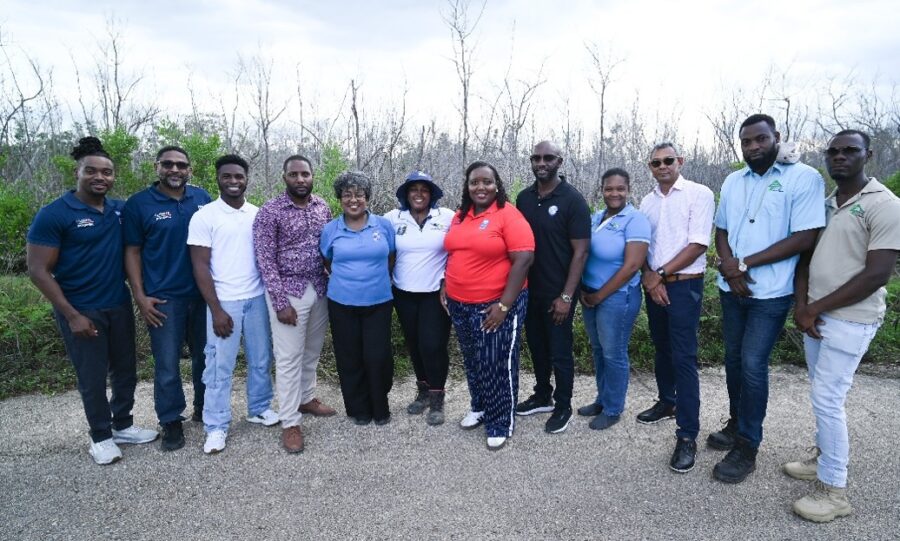
The organisations, alongside representatives of Jamaica’s National Resources Conservation Authority (NRCA), the Forestry Department and community partners, conducted site visits on October 1 and 2 under the Jamaica Resilient Recovery Initiative (JARRI).
The visits examined progress on the ground, provided opportunities to engage residents and technical partners, and assessed how funding provided through the CDF’s Emergency Disaster Assistance Facility (EDAF) is supporting early recovery and efforts to strengthen community resilience.
Implemented by the UNDP in collaboration with national agencies and local stakeholders, JARRI combines immediate recovery activities, including debris clearance and restoration of access, with longer-term measures aimed at protecting livelihoods, reducing environmental and public health risks, and preparing communities for future climate-related disasters.
“Recovery must go beyond restoring what was lost,” said Kenrick Burke, CDF Programme Specialist for Sustainable Energy.
“Through EDAF, the CDF is supporting an approach that helps communities regain access, restore livelihoods, and strengthen resilience. The work being advanced under JARRI demonstrates the value of regional solidarity and practical partnerships in helping communities build forward better.”
A key component of the initiative is its Cash-for-Work programme, which provides temporary income to residents affected by the disaster while involving them directly in recovery activities. These include clearing debris, cleaning communities, sorting and recycling recovered materials, and restoring damaged environments.
To date, 102 community members have benefited from capacity-building activities linked to the programme, according to the CDF.
The initiative also places emphasis on protecting Jamaica’s wetlands and mangrove ecosystems, which serve as natural barriers against storm surges, waves, flooding and coastal erosion.
Activities include restoring water flows, removing waste and obstructions, addressing encroachment and raising community awareness about the role these ecosystems play in reducing disaster risks.
The site visits included Palmetto Point Wetlands in Falmouth, Trelawny, where representatives from the CDF, UNDP, NRCA and Forestry Department examined the recovery work and the importance of environmental protection in building resilience to future storms.
Recycling and the productive reuse of recovered materials form another part of the recovery strategy. Rather than relying solely on clearing debris and disposing of it, JARRI seeks to reduce pressure on disposal sites, promote safer debris management and identify opportunities to turn recovered materials into useful resources.
The approach links disaster recovery with environmental sustainability, while creating opportunities for affected residents to participate in rebuilding their communities and restoring economic activity.
The CDF’s contribution is being provided through EDAF, which supports emergency disaster assistance across the Caribbean. The Fund’s mandate includes providing financial and technical assistance to disadvantaged countries, regions and sectors within the Caribbean Community (CARICOM), with the broader aim of reducing economic and social disparities among Member States.
Through its support for JARRI, the CDF is seeking to address immediate needs in Jamaica while contributing to more inclusive and sustainable recovery.
The CDF and UNDP said they would continue working with national authorities, community representatives and implementing partners to ensure the timely delivery of recovery activities and that investments contribute to stronger, safer and more resilient communities.
Hurricane Melissa’s impact has underscored the importance of recovery strategies that address not only immediate damage but also the environmental vulnerabilities and livelihood challenges that can leave Caribbean communities exposed to future disasters.
The JARRI initiative seeks to combine emergency assistance with longer-term resilience measures, using community participation, environmental restoration and sustainable debris management to help affected areas recover.