Cuba’s worsening economic and energy crisis is taking an increasingly heavy psychological toll on ordinary people, with doctors reporting that distressed citizens are turning to them simply for somewhere to talk as daily life becomes more difficult.
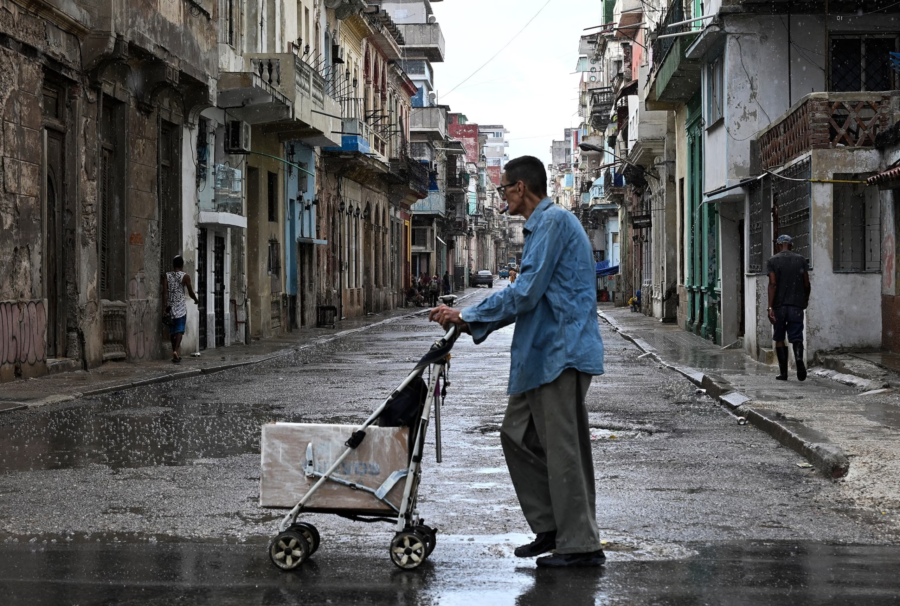
Sweltering temperatures, prolonged power outages, shortages of water and fuel, deteriorating homes, limited public transportation and unreliable communications have become part of everyday life for the island’s nearly 10 million people.
The Associated Press reported Wednesday that the mounting hardships are leaving many Cubans emotionally exhausted and increasingly hopeless.
“Before there was hope,” Dr. Yomeidis Felicó Riverón, a primary-care physician, told AP. “Right now, what people have lost is exactly that.”
Felicó Riverón said patients increasingly come to her not only with physical complaints but to talk about the pressures confronting them.
“They come and cry about their troubles, because they have no one else to vent to,” she said. “We end up having to play psychologist.”
The crisis is affecting families across the country.
Parents are trying to shield children from the harshest realities while dealing with heat, unreliable electricity and shortages that make ordinary activities increasingly difficult.
The problems extend beyond electricity. Water supplies are deteriorating, transportation is limited and cellphone connectivity has become unreliable in some areas.
The United States Embassy has also warned about deteriorating water conditions and rising gastrointestinal illnesses, adding a public-health dimension to the economic crisis.
Cuba’s difficulties have been building for years, but the current energy shortages and economic pressures have intensified the strain.
The result is a crisis that increasingly cannot be measured only through economic indicators.
For many Cubans, the psychological burden comes from the uncertainty itself—when the electricity will return, whether fuel will be available, whether water will flow and how families will manage from one day to the next.
Yet amid the hardship, communities continue to rely heavily on family and social connections for support.
That resilience is providing some relief, even as the broader economic problems remain unresolved.
For health workers such as Felicó Riverón, the challenge is increasingly one of helping patients cope emotionally while also treating their physical needs.
The situation illustrates how prolonged economic and infrastructure crises can move beyond household finances and basic services to affect the mental and emotional wellbeing of an entire society.