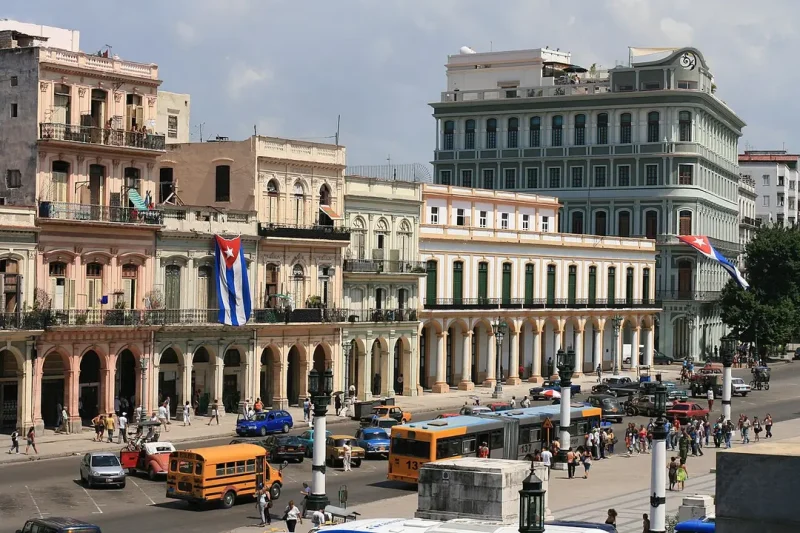
Cuba’s tourism industry has recorded a dramatic decline in 2026, with international arrivals falling 62% during the first seven months of the year as the country’s prolonged economic crisis and mounting pressure from the United States take an increasing toll on one of its most important industries.
Figures released Tuesday by Cuba’s National Office of Statistics and Information (ONEI) showed that approximately 419,000 visitors traveled to the island between January and July, down from about 1.1 million during the same period in 2025.
The sharp decline comes as Cuba continues to grapple with a severe economic crisis marked by shortages, power disruptions and mounting pressure on businesses and households.
Tourism, long a major source of foreign currency for the Cuban economy, has been particularly affected.
Between May and July, the U.S. State Department announced measures targeting companies involved in Cuba’s tourism sector, including restrictions that could freeze accounts or prevent affected businesses from operating within the U.S. financial system.
Major international hotel groups with longstanding operations in Cuba, including Meliá and Iberostar, along with Royalton, subsequently suspended contracts in the country.
Visa and Mastercard payment services were also withdrawn, creating further challenges for international travellers and tourism businesses.
Air connectivity has also been significantly affected.
Major carriers, including World2Fly, Air France, Turkish Airlines and Iberia, suspended flights after the Cuban government announced that aircraft could no longer refuel on the island amid fuel shortages.
The latest figures represent another major setback for an industry that had already struggled to regain its pre-pandemic strength.
Cuba welcomed approximately 4.3 million international visitors in 2019, before the COVID-19 pandemic brought global tourism to a standstill.
Over the previous three decades, tourism had developed into one of Cuba’s most important economic sectors, with authorities previously estimating that the industry generated about $3 billion annually.
The deterioration in 2026 has become increasingly visible across major tourism areas, with hotels, private accommodations and other tourism businesses closing or operating with significantly fewer guests. Beaches, shops and attractions that traditionally depended heavily on foreign visitors have also experienced reduced traffic.
The tourism downturn compounds broader economic challenges facing Cuba, where shortages of fuel and other essential goods have contributed to disruptions across the economy.
With international arrivals at fewer than half their level a year earlier, the latest ONEI figures indicate that one of Cuba’s most important sources of foreign exchange is now facing an increasingly difficult recovery.
caribbeannationalweekly.com