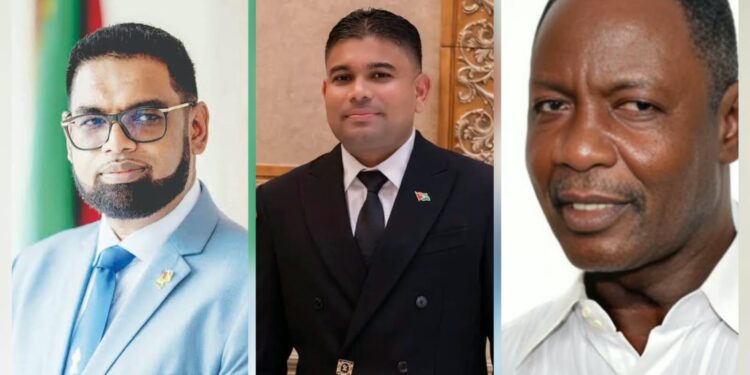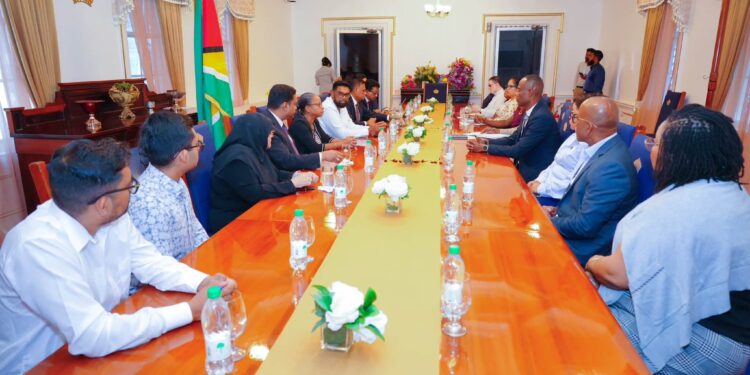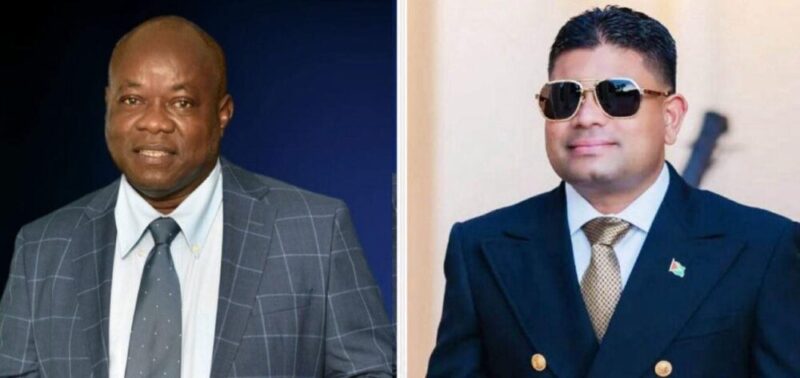
The We Invest in Nationhood (WIN) and A Partnership for National Unity (APNU) are moving ahead with a planned meeting aimed at addressing growing disagreements over opposition representation on key democratic institutions and broader cooperation among parliamentary opposition parties.
The meeting, scheduled for Monday, August 24, at 11:00 a.m., follows a dispute over the composition of the Local Government Commission (LGC), after APNU objected to WIN’s submission of nominees to the commission without including APNU’s proposed candidates. The disagreement has since expanded to other issues, including representation on the Guyana Elections Commission (GECOM) and leadership of the Region Ten Regional Democratic Council.
The latest correspondence, dated August 22 and signed by WIN General Secretary Odessa Primus, MP, was addressed to People’s National Congress Reform General Secretary Sherwin Benjamin following discussions between representatives of the two parties.
APNU had requested that the meeting be held at a mutually agreed venue rather than at the WIN headquarters. Primus said APNU’s suggestions of Parliament Buildings or an agreed private business establishment were acceptable to WIN.
“We are pleased to confirm that these suggestions are acceptable to us.”
The Office of the Leader of the Opposition will make inquiries about the availability of a suitable meeting room at Parliament Buildings, while APNU will simultaneously approach a private business establishment as an alternative.
“Given that these arrangements are being made over the weekend, and in light of the scheduled meeting on Monday, August 24, 2026, at 11:00 hrs, we believe this approach will allow sufficient flexibility to ensure that the engagement proceeds as planned.”
The talks come amid a significant realignment of the parliamentary opposition following the 2025 General and Regional Elections. WIN emerged as the largest opposition party with 16 seats, while APNU holds 12 and the Forward Guyana Movement (FGM) holds one.
The change in the opposition’s parliamentary configuration has generated disagreements over whether existing arrangements for opposition representation on constitutional and electoral bodies adequately reflect the new political landscape.
One of the most contentious issues involves GECOM. Opposition Leader Azruddin Mohamed has sought changes to the three opposition-nominated commissioners, arguing that the present representatives were selected under the previous opposition leadership and no longer reflect the current parliamentary opposition. APNU Leader Aubrey Norton and the sitting commissioners have disputed the basis for replacing them, maintaining that there are no vacancies requiring new appointments.
The disagreements have also raised concerns about opposition coordination as Guyana approaches the statutory period for the next Local Government Elections.
The latest meeting is therefore expected to go beyond the immediate disagreement over the LGC and provide an opportunity for the parties to discuss how opposition forces can cooperate on matters of national and institutional importance.
WIN has maintained that it remains prepared to work with APNU and other opposition parties despite their differences.
“WIN remains committed to constructive dialogue and collaboration with all opposition parties on matters affecting our democratic institutions and the interests of the Guyanese people, and we look forward to a productive meeting.”
The proposed engagement could represent an attempt to ease tensions between the two largest opposition groupings and establish a framework for greater cooperation in Parliament and on national democratic issues.
Earlier attempts at sustained cooperation between WIN and APNU have produced limited results. APNU had previously indicated that efforts to establish a unified parliamentary opposition had not materialised, with the party at one stage deciding to operate independently in Parliament.
The August 24 meeting will therefore be closely watched for signs of whether the competing opposition groups can move beyond their differences and establish practical areas of cooperation while maintaining their separate political identities.