(WiredJA) In 1960, a United States (US) government memo laid out the strategy in black and white: deny Cuba money and supplies, deepen hunger and desperation, and bring down the government. Sixty-five years later, that strategy has never been abandoned — only modernised.
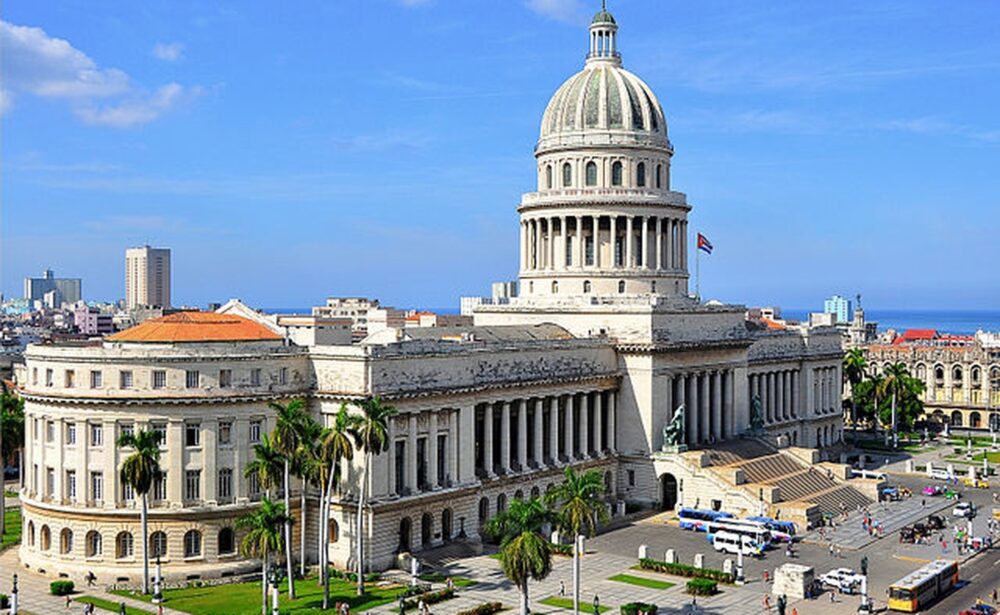
This is the story of a small island nation that said no to Washington in 1959, and has been paying for it ever since. The blockade that strangled its economy for generations. The assassination plots against Fidel Castro. The disaster at the Bay of Pigs. The Helms-Burton Act, which turned a presidential policy into permanent law. And now, in 2026, a fuel cutoff that plunged Cuba’s power grid into darkness, left hospitals without light, and drew international condemnation as a humanitarian crisis manufactured by policy.
The pressure hasn’t stopped there. A US Navy carrier now sits in the region. The Pentagon is openly weighing military options. And in May, the Justice Department unsealed a decades-old case against 94-year-old Raul Castro, reviving a 1996 shoot-down prosecution that Cuban-American lawmakers had pushed for years to bring back — timed to land squarely inside Washington’s wider campaign of pressure on Havana.
In fact, it is a pressure tactic dressed in legal language — it’s the latest chapter in a 65-year story that the Caribbean has watched unfold next door. We’re laying out the full timeline: the blockade, the plots, the law, and what may come next.