Key Takeaways
- Eating a diet high in complex carbohydrates and fiber and low in processed foods and animal fats may reduce biological age in just four weeks.
- Older adults may experience more significant benefits from dietary changes, suggesting it’s never too late to start eating healthy.
- The findings support previous evidence that the Mediterranean diet can boost overall health.
Research shows that what you eat has a significant impact on your health, but new evidence suggests the effects may be even more profound and fast-acting than previously thought. According to a new study, meaningful dietary changes may be able to reduce your biological age in just four weeks.
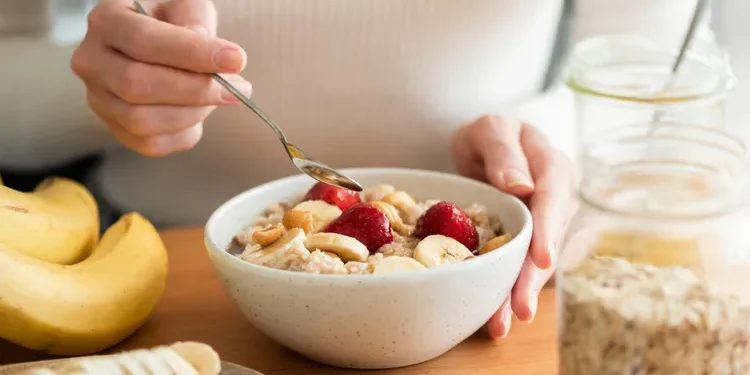
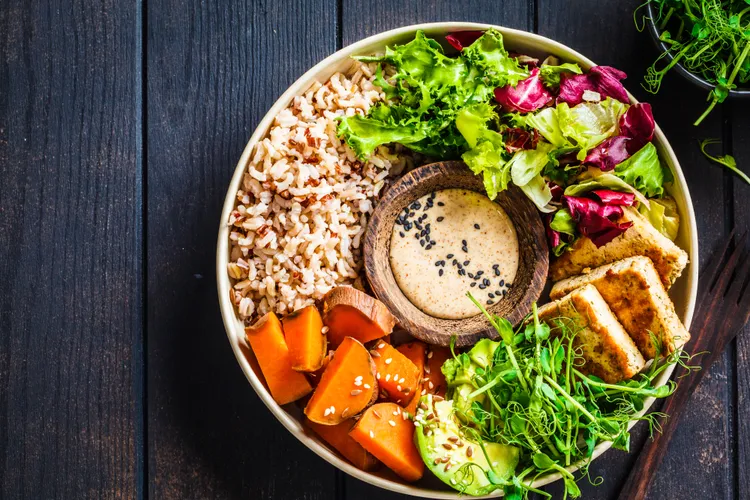
Specifically, diets high in complex carbohydrates and fiber, such as legumes, whole grains, vegetables, and fruit, and low in processed foods and animal fats, seemed to have the most benefits.
What the Research Shows
The study evaluated 104 adults aged 65-75, all of whom followed one of four diets: omnivorous high-fat (OHF), omnivorous high-carbohydrate (OHC), semi-vegetarian high-fat (VHF), or semi-vegetarian high-carbohydrate (VHC).
The OHF group (which was most similar to what participants usually ate) showed little change in their biological age, a measure of how well the body is aging at the cellular level. But the OHC group had a clear, statistically significant drop in biological age. Participants in both vegetarian groups also showed improvements, though the results were less definitive and did not consistently reach statistical significance.
According to David Goldman, MS, RD, a visiting researcher at the University of Helsinki and a nutrition and exercise scientist, three dietary patterns stood out: eating more complex carbs from minimally processed foods; plant-based or semi-vegetarian diets with plenty of legumes, whole grains, fruits, and vegetables; and consuming more fiber while reducing animal protein and saturated fat.
All of these differed meaningfully from what participants typically ate, and that shift appeared to drive improvements in biological age, he said.
What Age Group Had the Most Positive Benefit?
“Chronological age moves forward the same way for everyone, but biological age reflects how healthy your body really is at the cellular and molecular level,” Goldman said. “The study used a validated tool called the Klemera-Doubal Method (KDM), which combines blood and clinical markers, like glucose, cholesterol, and blood pressure, that change predictably with age.”
The researchers focused on δAge, which represents the difference between your KDM-estimated biological age and your actual age, he explained. A positive δAge means your body is aging faster than expected, whereas a negative δAge suggests greater resilience.
“A very interesting finding was that older adults showed more significant positive changes suggesting that dietary intervention may have greater biological age impact in older adults compared to younger people,” noted Mahtab Jafari, PharmD, a professor of pharmaceutical sciences and the founding director of the UC Irvine Center for Healthspan at the University of California, Irvine. “We can conclude that it is never too late to start eating healthy.”
Overall, the study suggests diet can alter your physiological aging profile relatively quickly, in just four weeks—not over decades. Jafari said this is significant because it shows that biological aging is more modifiable than previously reported, changes in diet can improve healthspan, and short-term dietary windows can result in measurable biological changes and biological age.
Should You Change Your Diet?
Because the study was small and short-term, it should be seen as preliminary evidence that dietary changes can slow or reverse biological aging. Still, the diet with the best results was consistent with the general components of the Mediterranean diet, which has already been shown to result in better overall health, including a healthier gut microbiome and lower inflammation, Jafari said.
The diets with the best results had more plant-based foods and fiber, including vegetables, legumes, whole grains, and fruits, as well as lower levels of ultra-processed and foods —all of which have been shown to be better for overall health. 3So while it’s not guaranteed that eating this way will reduce your biological age, doing so is definitely good for you.
“The results are still interesting and could be practical and encourage people, even older adults, to include more plant-based foods in their diets,” Jafari said. (verywellhealth)