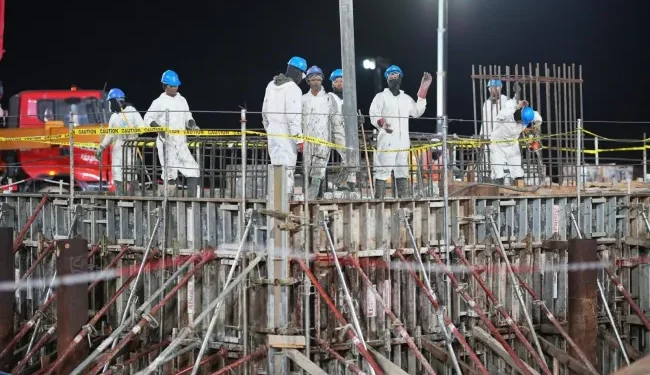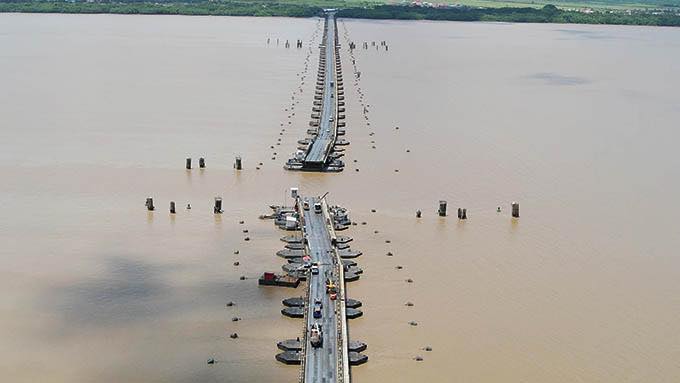
The dismantling of the Demerara Harbour Bridge is far more than the removal of steel and pontoons; it is the destruction of a national symbol that embodied Guyana’s ability to dream boldly and achieve the seemingly impossible. For nearly half a century, the bridge stood among the world’s longest floating bridges—a remarkable feat of engineering and a lasting testament to the vision and ambition of the Forbes Burnham administration that conceived and delivered it against considerable odds.
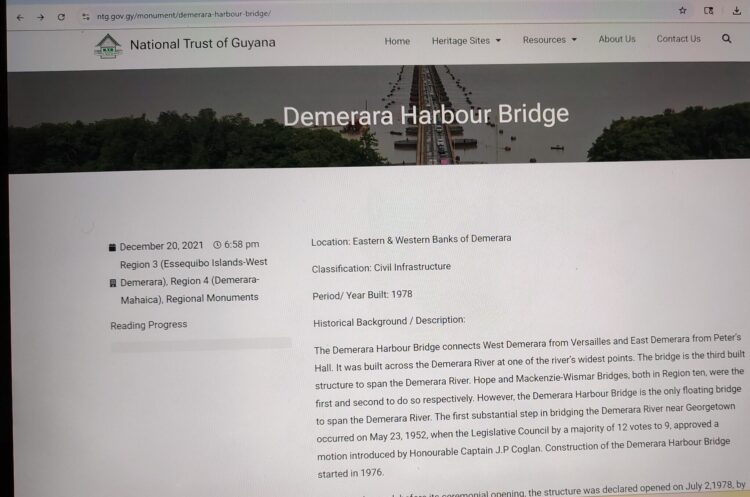
More than infrastructure, it became part of Guyana’s identity and is recognised as a heritage site by the National Trust of Guyana for its historical and national significance. Under the National Trust Act of 1972, sites identified by the Trust are protected as part of the country’s patrimony and are intended to be preserved for the benefit of present and future generations.
Such designation recognises a landmark’s historic, architectural, archaeological or national importance and places obligations on the State to safeguard its integrity. The bridge’s inclusion among the nation’s heritage assets raises important questions about its future, particularly as any alteration or removal of a protected site should take into account its cultural, historical and symbolic value to Guyana.
The question therefore demands an answer: why dismantle a structure that is not only internationally significant but also an irreplaceable part of the nation’s historical and cultural legacy?