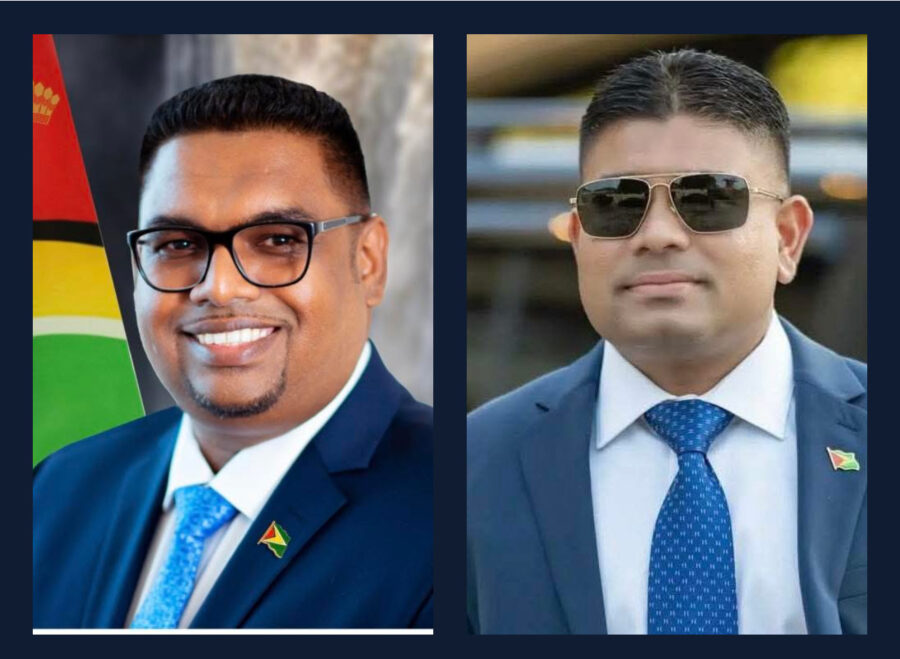
By Mark DaCosta- Azruddin Mohamed, the Leader of the Opposition and head of the We Invest in Nationhood (WIN) party, recently embarked on a tour of Region 7, highlighting pressing issues faced by residents of various villages including Kartabo. His visit sheds light on significant challenges impeding the quality of life in this remote community, prompting calls for immediate government action.
Nestled at the confluence of the Mazaruni and Cuyuni Rivers, Kartabo is a region steeped in history yet characterised by its ongoing struggles. With a population primarily composed of Indigenous peoples, such as the Akawaio and Arekuna nations, alongside mixed-heritage residents engaged in mining and logging, the community faces dire circumstances worsened by neglect from central authorities. Its geographical positioning has historically made it a haven for early settlers, yet today, it serves as a reflection of governmental failures to address basic human needs.
During his visit, Mohamed encountered several urgent concerns raised by local residents. Among the most alarming was the deteriorating condition of the community’s healthcare facility. “The health centre ceiling was removed due to a bat infestation, and the lingering odor from the bats continues to affect the environment,” he noted. This troubling issue has left both patients and healthcare workers in distress, as the facility remains in dire need of repairs and sanitation. Residents are left vulnerable, as they struggle to access basic medical services within an environment that poses risks to their health and safety.
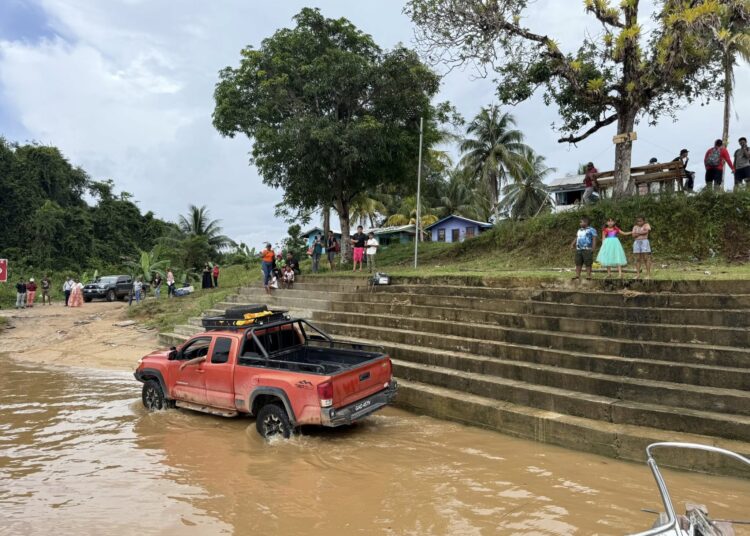
Equally distressing is the ongoing crisis regarding the community’s water supply. With the local well rendered unusable for an extended period, residents have been compelled to rely on rainwater for cooking and river water for other daily activities. The lack of reliable access to clean water is a violation of their basic human rights, yet residents have reportedly received no response from Guyana Power and Light (GPL) following their requests for assistance since last August. Mohamed emphasised, “Residents are calling for urgent repairs… they deserve proper healthcare, basic services, and fair treatment.”
Moreover, the financial distress faced by Community Service Officers (CSOs) adds to the growing dissatisfaction among residents. Slow salary disbursements, occurring every two to three months instead of the promised monthly payments, have plunged many into economic hardship. Mohamed asserted that timely payments are crucial, as delays have left families in debt.
Despite the richness of Kartabo’s resources, including mining, logging, and subsistence farming, these economic activities have not translated into improved living conditions for its people. The rivers serve as the lifeblood of the community, both economically and culturally, yet the benefits of natural resources have not trickled down effectively.
Ecotourism has surfaced as a potential avenue for growth, given the scenic beauty of the area and its proximity to Bartica, but the disconnect between the government and the grassroots reality of Kartabo, a situation that embodies the broader neglect faced by communities across our nation. Historic significance aside, Kartabo reflects the urgent need for governmental policies that empower its residents rather than leaving them to navigate their challenges alone. The dialogue initiated by the Opposition Leader is crucial in amplifying the voices of those who often feel sidelined by the ruling party.
As the residents of Kartabo await action, one thing is evident: “It is time for these longstanding issues to be resolved.” Their call for urgent reform must resonate beyond the walls of their community, urging the government to reckon with its responsibilities to all citizens.