The stunning 2026 electoral defeat of Viktor Orbán after 16 years in power has sent ripples far beyond Hungary—offering a real-time case study in how entrenched political systems, even those widely described as “illiberal democracies,” can be dismantled at the ballot box.
For observers in Guyana, where concerns over governance, media access, and institutional balance continue to animate political discourse, Hungary’s experience is less a distant European story and more a strategic playbook.
From “Illiberal Democracy” to Electoral Defeat
Orbán’s political model—openly framed as an “illiberal democracy”—retained elections but systematically weakened the pillars that make them fair.
After returning to power in 2010, his administration:
- Rewrote the constitution and electoral rules
- Consolidated influence over major media outlets
- Weakened judicial independence
- Marginalised civil society
For years, this architecture ensured dominance by Orbán’s Fidesz party, despite the formal existence of democratic processes.
Yet in April 2026, that system unraveled. A broad opposition coalition, led by Péter Magyar, defeated the ruling party—demonstrating that even heavily tilted political environments remain vulnerable to organised voter backlash.
How the Opposition Broke Through
Unity Over Division
Hungary’s opposition had long been fragmented—splitting votes and allowing Fidesz to win comfortably.
That changed when rival parties coalesced behind a single electoral strategy. Ideological differences were set aside in favour of one goal: defeating entrenched power.
Grassroots Over Gatekeepers
With much of the traditional media landscape aligned with the government, the opposition turned outward—directly to the people.
Their strategy included:
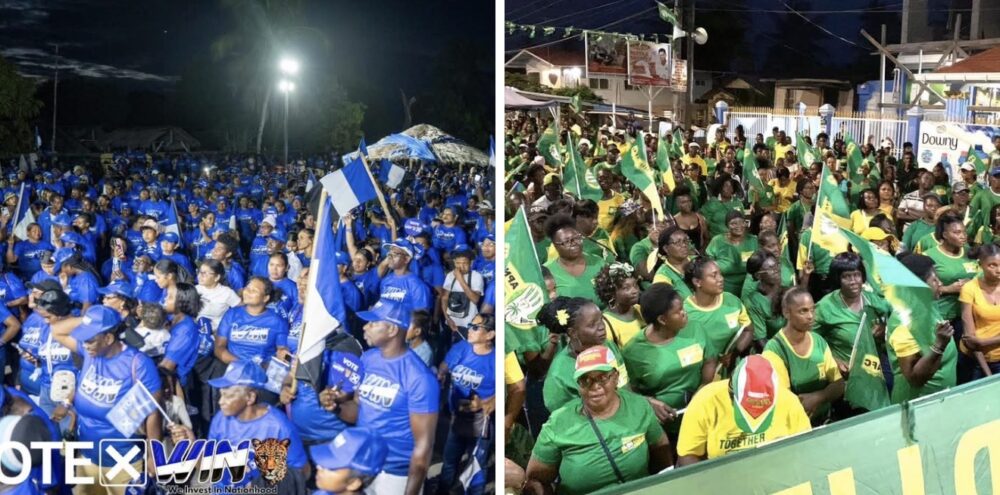
- Door-to-door canvassing in towns and rural communities
- Local organising networks beyond urban centers
- Aggressive use of social media platforms
- Mobilisation of first-time and youth voters
This ground campaign bypassed media bottlenecks and rebuilt voter trust person by person.
Message Discipline: Corruption and Cost of Living
Rather than abstract ideological battles, the opposition focused relentlessly on:
- Corruption allegations
- Rising living costs
- Public service decline
These issues resonated across class and political lines, expanding their base beyond traditional supporters.
Insider Credibility
Magyar’s past association with the ruling system gave him a unique advantage. He was not easily dismissed as an outsider, and his criticisms carried weight among undecided voters and disillusioned insiders.
Why Orbán Ultimately Fell
Despite years of institutional control, three pressures converged:
- Economic dissatisfaction
- Public fatigue after prolonged rule
- A unified and disciplined opposition
The lesson is stark: control of systems can delay political change—but cannot permanently suppress it when voter dissatisfaction becomes widespread and organised.
Lessons for Guyana’s Opposition
Hungary’s political turning point offers clear, transferable strategies for Guyana:
1. Coalition Is Not Optional
Fragmentation benefits incumbents. Hungary shows that unity—even among unlikely allies—is the foundation of electoral viability.
2. Build Power Beyond Traditional Media
Where access to mainstream platforms is limited or uneven, opposition forces must:
- Invest in grassroots networks
- Engage communities directly
- Leverage digital communication
Political momentum must be built on the ground—not in studios.
3. Focus on Everyday Realities
Voters respond to lived experience. Campaigns anchored in:
- Jobs and wages
- Cost of living
- Public accountability
are more effective than abstract political messaging.
4. Expand Beyond Urban Strongholds
Hungary’s opposition made critical gains outside major cities—areas often overlooked.
For Guyana, this underscores the importance of:
- Rural outreach
- Hinterland engagement
- Community-level organizing
5. Mobilise Young Voters
Youth turnout proved decisive in Hungary. Energising younger demographics can reshape electoral outcomes, particularly in closely contested environments.
6. Leverage Credible Voices
Figures with insider knowledge or cross-political appeal can:
- Broaden trust
- Undermine entrenched narratives
- Attract undecided voters
A Strategic Warning—and Opportunity
Hungary’s experience reinforces a dual reality:
Democracy can be weakened gradually—through laws, institutions, and control of information. But it can also be reclaimed through strategy, unity, and sustained grassroots engagement.
For Guyana’s opposition, the message is neither abstract nor distant. It is immediate:
Winning is still possible—but only with discipline, coalition-building, and a campaign that reaches beyond traditional political comfort zones.






![Tanzania Chadema party chairman Freeman Mbowe after being released from prison in March [Ericky Boniphace/AFP]](https://villagevoicenews.com/wp-content/uploads/2020/11/Tanzania-1.jpg)