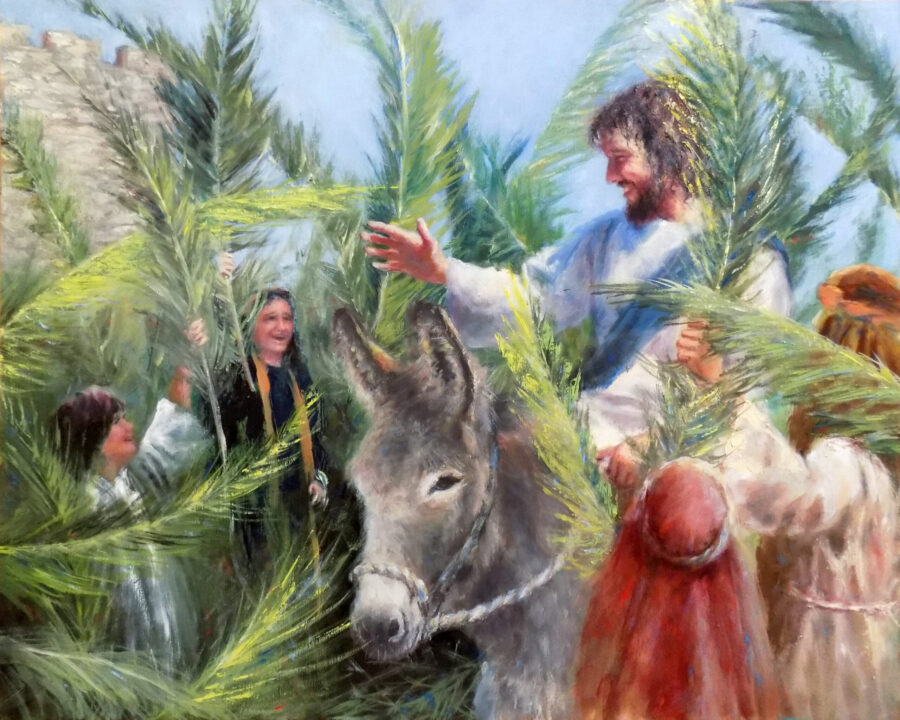
Palm Sunday, observed by Christians around the world, marks the beginning of Holy Week—the most sacred period in the Christian calendar leading up to Easter. It commemorates the biblical account of the triumphal entry of Jesus Christ into Jerusalem, an event recorded in all four Gospels.
According to Scripture, Jesus entered Jerusalem riding on a donkey—a symbol of humility and peace rather than conquest. As he made his way into the city, crowds gathered to honour him, laying palm branches and garments along the road and shouting praises such as “Hosanna.” This act signified honor, victory, and recognition of kingship.
The palm branches themselves carry deep symbolism. In ancient cultures, palms represented triumph and victory, and their use in the story reflects the people’s belief that Jesus was a promised king. However, the celebration also carries a deeper irony—within days of this triumphant welcome, Jesus would be arrested, crucified, and ultimately resurrected, events that form the core of Christian belief.
Historically, Palm Sunday has been observed since at least the 4th century, when early Christians in Jerusalem reenacted the event with processions and the carrying of palm branches. Over time, the tradition spread across the Christian world, evolving into the modern practices seen today.
Today, Palm Sunday is marked by church services, processions, and the blessing and distribution of palm branches—or local substitutes in regions where palms are not available. These are often kept by worshippers as symbols of faith and remembrance.
More than a ritual, Palm Sunday serves as a moment of reflection. It reminds believers of themes of humility, sacrifice, and the fleeting nature of public acclaim—setting the stage for the solemn events of Good Friday and the hope of Easter Sunday.