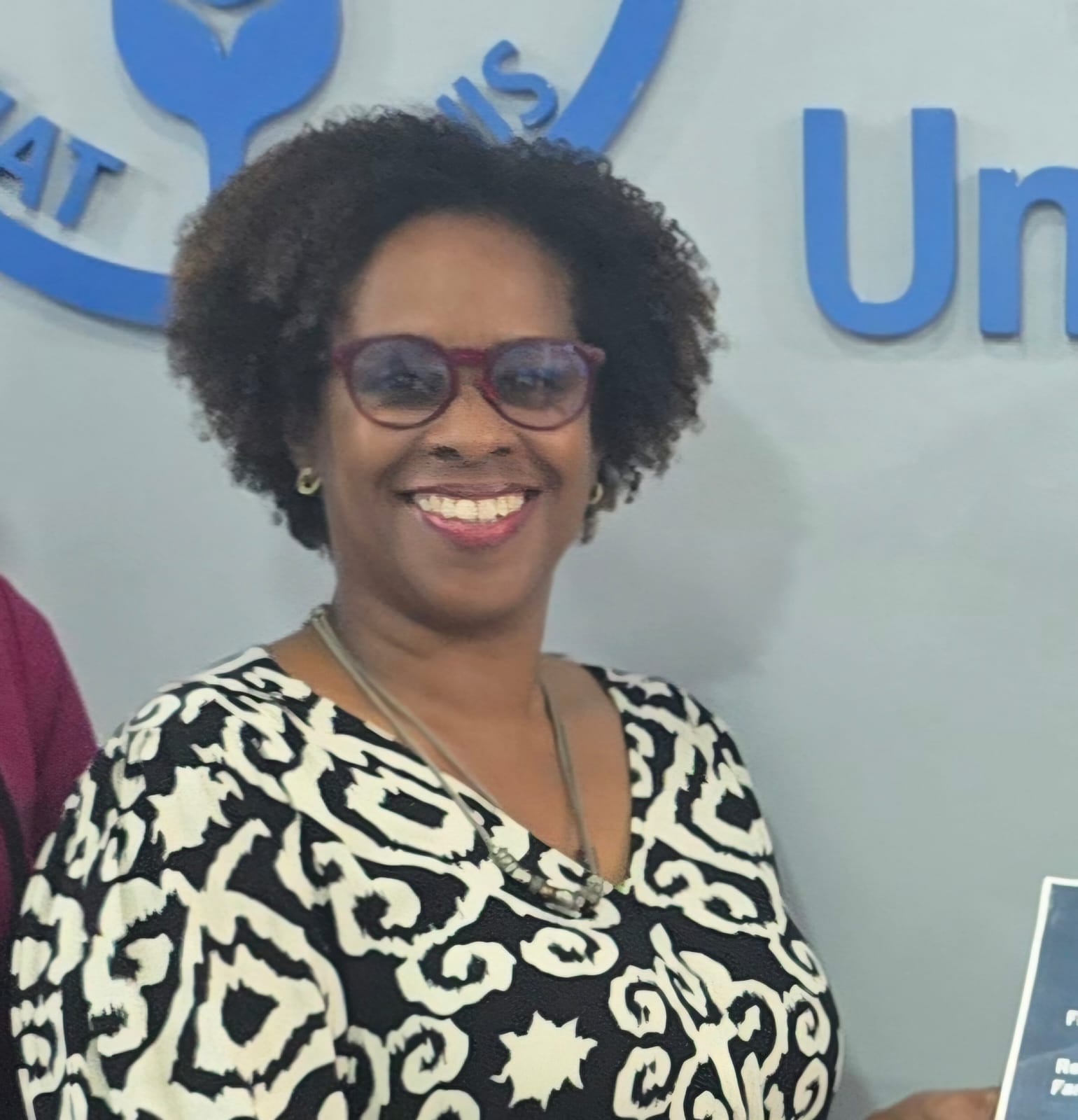
Women are at the heart of agrifood systems—growing crops, processing food, and working in forestry and fisheries to sustain households, communities, and economies, and often taking primary responsibility for feeding families. This is why the United Nations has declared 2026 as the International Year of the Woman Farmer (IYWF 2026), a recognition of the significant contributions women make across agrifood systems—from production to processing and trade, all the way to how food is consumed.
According to the Food and Agriculture Organization (FAO) of the United Nations, women globally account for 48% of agricultural employment in low income countries, contributing as farmers, traders, processors, and resource managers. In forestry, over one billion women rely on forest resources for income, food, medicine, and fuel.
In fisheries and aquaculture, women make up 24% of workers in primary production, and in small scale fisheries, they constitute 40% of the value-chain workforce, especially in processing and post-harvest activities, where they represent 62% of workers.
IYWF 2026 aims to raise awareness and catalyse action to close gender gaps and improve women’s livelihoods worldwide. It calls for renewed commitment to expanding economic opportunities, strengthening leadership, and ensuring equitable access to resources and decision-making. If women are provided with the tools and opportunities that they need to maximize their contribution to food systems, then countries and communities can maximize their productive efforts to achieve food security. By promoting equality and empowerment, the Year supports the transition toward more inclusive, resilient, and sustainable agrifood systems globally.
Across Guyana, women make indispensable contributions to rural development, climate resilience, and food security. Women actively participate in farming across the coastal belt, hinterland, and riverine communities. They engage in crop production, agro-processing, market trading, and small agribusiness ventures—from cassava and ground provisions to value-added foods. Their work supports household nutrition, strengthens local economies, and contributes to national food security.

Guyanese Indigenous women are involved in gathering non-timber forest products, producing handicrafts, supporting community forestry initiatives, and applying traditional ecological knowledge to sustainable forest management. Their contributions align with Guyana’s low-carbon development strategy and help safeguard forest ecosystems for future generations.
Women are also central to the fisheries value chain, especially in fish processing, drying, packaging, selling, and managing family owned business income. Their roles help maintain livelihoods in all communities and strengthen the country’s blue economy in the face of climate pressures.
A good pathway to national transformation is ensuring that everyone can access the services and goods that they need, including agricultural land, finance, technology, and decision-making opportunities. Women’s knowledge, creativity and hard work power the backbone of rural life. Rural young women often face compounded barriers due to low income and limited access to resources. Land rights and access to resources can help them build a foundation to achieve early, long-term economic independence. As we get ready to celebrate International Women’s Day, it is an ideal opportunity to highlight women farmers and advocate for equal opportunities.
Equal access to agricultural extension, credit, transportation, and digital tools can help women participate more fully in agrifood value chains. By designing services that are gender-responsive—including flexible scheduling, localised training, and women friendly technologies, we can close persistent service-delivery gaps.
Investing in education, technical training and leadership development expands their economic choices and enhances productivity across farming, forestry and fishing sectors. Training tailored to everyone—especially in climate-smart agriculture, agro-processing, financial literacy and entrepreneurship—creates pathways to better employment and income growth.
Ensuring that women have a voice in cooperatives, community organizations, producer groups and natural resource management bodies leads to more inclusive and effective governance. When women influence decisions about land, markets, climate adaptation and local development, communities become more resilient and equitable.
Women’s unpaid care responsibilities limit their ability to participate in training, paid work and community leadership. Expanding childcare support, social protection systems and flexible work arrangements help women manage both productive and caregiving roles, reducing gendered burdens and inequalities.
Empowering women farmers directly improves household well-being. When women have equal access to resources, hunger decreases, dietary diversity improves and families become more resilient to economic and climate shocks. As women’s productivity increases, communities experience broader economic growth and stronger agrifood systems.
When everyone has equal access to resources, everyone benefits: families, communities and entire national economies. Supporting equal access to resources is not only a matter of fairness but also a solution to advance equality for everyone.
Let us continue to champion women—honouring their contributions, expanding their opportunities and ensuring their voices shape the future of agriculture, forestry and fisheries. When women rise, nations rise with them.
Celebrating the hands that feed, nurture, and sustain our world—this Women’s Day and throughout the International Year of the Woman Farmer.