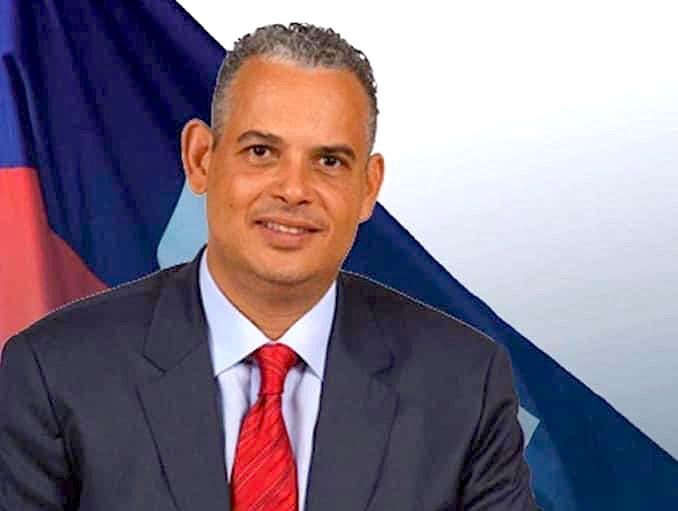
The dismissal resolution initially had the backing of five CPT members, but Advisor Smith Augustin ultimately refused to sign, preventing the measure from passing. Other advisers who did not support the resolution included Fritz Alphonse Jean, Leslie Voltaire, Louis Gérald Gilles, and Edgard Leblanc Fils.
In a letter to council members, Laurent Saint-Cyr, President pro tempore and Coordinator of the CPT, expressed opposition to any action that could destabilise the government ahead of February 7.
He wrote: “I am opposed to any resolution aimed at calling into question governmental stability in the run-up to February 7 and denounces any attempt to rush or take major decisions without a broad, structured and truly representative dialogue of the different sectors of national life, including the diversity of political sensitivities having enjoyed, to varying degrees, electoral legitimacy proven… any initiative likely to fuel instability, confusion or a breakdown of trust carries serious risks for the country. Haiti cannot afford either non-concerted decisions or short-sighted political calculations.”
Observers said a major factor in the resolution’s failure was pressure from the U.S. Embassy. In a letter to CPT members, U.S. officials warned: “The U.S. objective for Haiti remains the establishment of baseline security and stability. The U.S. would regard any effort to change the composition of the government by the non-elected TPC at this late stage in its tenure to be an effort to undermine that objective and as such null and void. The U.S. would consider anyone supporting such a disruptive step favoring the gangs to be acting contrary to the interests of the United States, the region, and the Haitian people and will act accordingly.”
The failed attempt highlights the fragile political environment in Haiti, where internal divisions and external pressures continue to shape the country’s governance ahead of critical institutional deadlines.