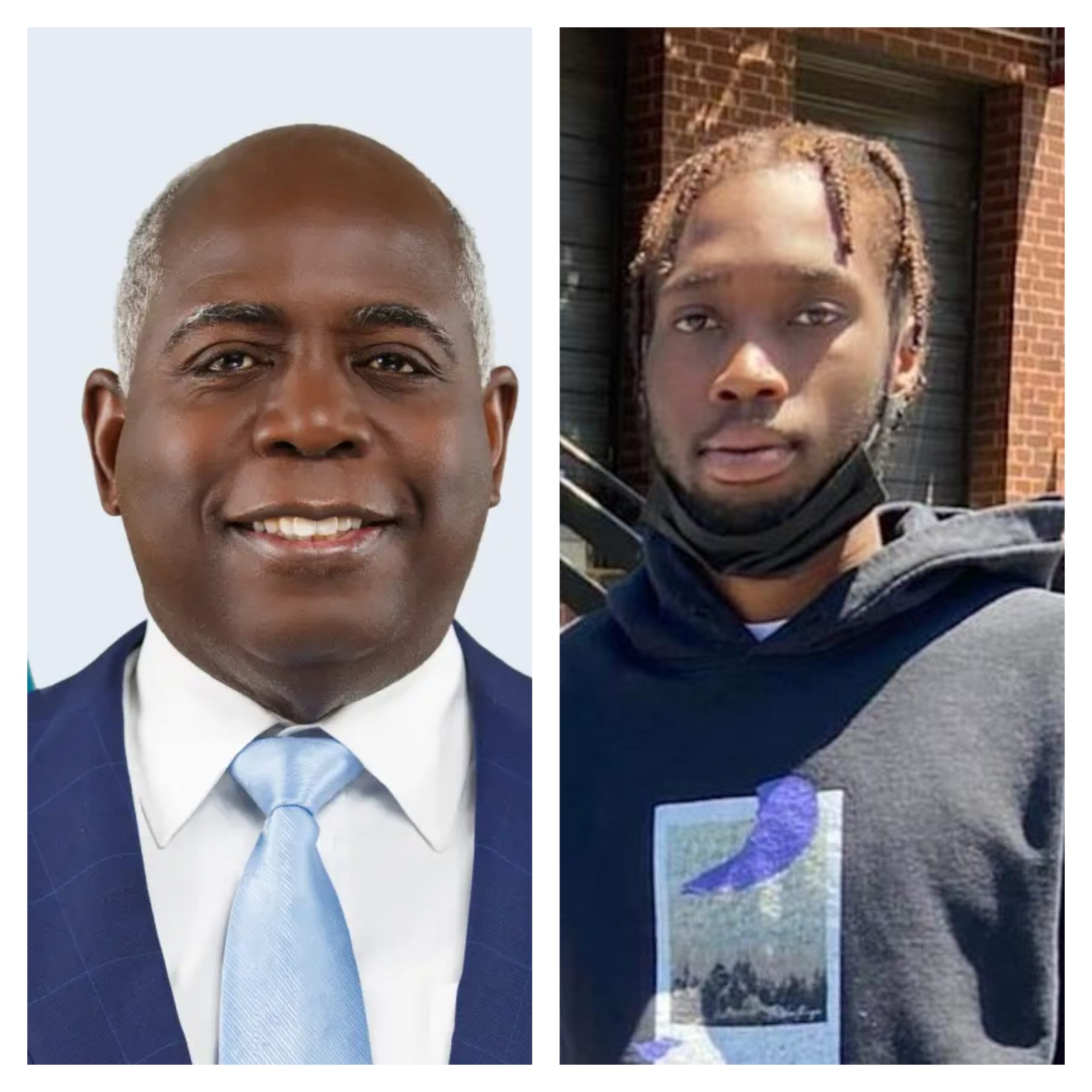
The New York–based Caribbean Guyana Institute for Democracy (CGID) is calling on U.S. citizens, Guyanese, and other Caribbean nationals to stop vacationing in The Bahamas, citing concerns over violent crime and what it describes as a deeply flawed investigation into the death of a young American visitor. The organisation is also urging the U.S. State Department to upgrade its travel advisory for The Bahamas from Yellow — Level 2: Exercise Increased Caution — to Red — Level 4: Do Not Travel.
The U.S. State Department’s current Level 2 advisory warns that “violent crime—like armed robberies, burglaries, and sexual assaults—can occur anywhere in The Bahamas.” It further notes that most crime occurs in Nassau and Freeport on New Providence and Grand Bahama islands, urging travelers to remain alert in Nassau’s “Over the Hill” area, south of Shirley Street, “where gangs have killed residents,” and in vacation rental properties where private security is not present.
CGID said its call to action was prompted by the handling of the death of 23-year-old Guyanese American Dinari McAlmont, a Maryland resident who was found dead on a beach on Paradise Island less than 24 hours after arriving in The Bahamas with his parents for a family vacation at the Atlantis Paradise Island Resort last April. Bahamian authorities ruled McAlmont’s death a drowning following a post-mortem examination.
However, CGID and McAlmont’s family dispute that conclusion. The organisation contends that McAlmont’s body bore what appeared to be several defensive wounds and that he was last seen being chased by a security guard and “running desperately for his life.” CGID also noted that the beach where his body was found is “no where close to the vicinity where he was last seen,” raising serious questions about the official account.
McAlmont’s mother, Michelle Bacchus-McAlmont, has publicly challenged the findings of Bahamian authorities. She said that when she saw a photo of her son’s body, she believed he had been beaten. “They beat my son down in the sand,” she said, adding, “I need justice for my baby.”
CGID President Rickford Burke denounced the police investigation into McAlmont’s death as inherently inadequate, corrupt, and “lacking integrity.” He also sharply criticised Bahamian Prime Minister Philip Davis for the manner in which the case has been handled.
Burke accused Davis and his government of dismissing McAlmont “as they would cattle,” and of treating the young man’s parents with contempt. He said he wrote to the prime minister last October about the matter and that while Davis’ spokesperson, Latrae Rahming, acknowledged to the Bahamian press that the letter was received, the prime minister neither acknowledged nor responded to it.
According to Burke, Davis “did not even have the decency to at minimum express to Dinari’s parents his regret that Dinari died in the Bahamas and offer words of condolence to the family.” He further described the prime minister’s conduct as “inhumane and callous,” adding that Davis’ “heartless, negligent and indifferent” attitude did not reflect the character of the Bahamian people.
Burke said Americans should no longer send their children to The Bahamas and that all Americans and Caribbean nationals should stop vacationing there, warning that visitors “run the risk of being robbed and murdered there while the Bahamian government will dismiss their murder as a casual affair for which no justice is warranted.” He said he was shocked by what he described as the level of callousness shown by the prime minister and his government.
At the same time, Burke expressed respect for Bahamas Governor General Dame Cynthia Pratt, who previously served as a keynote speaker at one of CGID’s conferences and award ceremonies in New York.
“I know that the Governor General is compassionate and has been an advocate for justice and fairness throughout her career in politics. She would never tolerate the abominable inhumanity with which the Government of the Bahamas has treated the McAlmont family,” Burke said.
He added that he plans to communicate with Dame Pratt to seek her intervention to ensure justice for McAlmont’s parents. CGID also said Burke is scheduled to meet with several U.S and Maryland officials in Washington later this month to discuss the case and the organisation’s concerns.