(WiredJA)-MONTEGO BAY, St, James- The flames that consumed Tulloch Castle sugar estate on the night of December 27, 1831, illuminated more than the Jamaican sky. They exposed the fundamental lie at the heart of British colonial economics: that slavery was sustainable, that the enslaved would accept their bondage indefinitely, that freedom could be perpetually deferred.
Sam Sharpe, a Baptist preacher who understood that spiritual liberation demanded physical freedom, orchestrated what British enslavers frantically labeled a “rebellion” in their 1832 petition to the Jamaica House of Assembly.
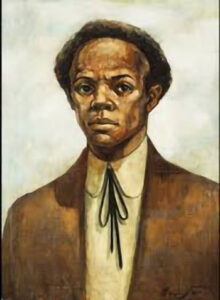
But make no mistake—this was war. Coordinated, strategic, and aimed squarely at the economic jugular of an empire that had built its prosperity on stolen African labor.
What began at Tulloch Castle in Kensington, St. James, spread like wildfire across western Jamaica.
Enslaved Africans armed with machetes and sticks faced down heavily armed British regiments at places like Montpelier, transforming what enslavers dismissed as property into an army fighting for human dignity.
The scale shook the foundations of Jamaica’s plantation economy and sent tremors across the Atlantic to the comfortable chambers of British Parliament.
Victory Came With a Price Tag—For the Wrong People
The Sam Sharpe War accomplished what decades of abolitionist petitions could not: it made slavery too expensive, too dangerous, too politically untenable to maintain.
By August 1833, the British House of Commons passed the Slave Emancipation Act. Freedom was coming—eventually.
But here’s where the mathematics of empire reveal their cruelest logic. Parliament allocated £20 million—a staggering 40% of Britain’s national budget—to compensate plantation owners for their “loss.” The enslaved Africans who had built the wealth these enslavers claimed?
They received exactly nothing. No land. No compensation. No acknowledgment of the generations of unpaid labor that had enriched Britain beyond measure.
And freedom itself came with conditions. The 1833 Act imposed an “apprenticeship” period that extended bondage until midnight on July 31, 1838.
Even in liberation, the formerly enslaved faced meager wages and landlessness, while their former captors pocketed government payments.
Britain wouldn’t finish paying off that debt to enslavers until 2015—meaning descendants of enslaved Africans living in Britain were, through their taxes, paying compensation to the descendants of those who had enslaved their ancestors.
Let that obscenity settle.
The War Continues
Professor Verene A. Shepherd, head of the Centre for Reparation Research at the University of the West Indies, Mona, frames the Sam Sharpe War not as historical artifact but as ongoing struggle.

The war, she argues, was for “emancipation from chattel enslavement and British terrorism”—a mission that remains incomplete nearly two centuries later.
Today’s battles look different but flow from the same source. Jamaica’s debate over transitioning from monarchy to republic isn’t academic constitutional theory—it’s a direct continuation of what Sam Sharpe fought for.
As historian Hilary Beckles notes, true emancipation requires departing from “intellectual timidity” to fulfill the mission of our ancestors.
Marcus Garvey understood this when he declared the need for mental emancipation. Bob Marley immortalized it in “Redemption Song.”
The chains may be invisible now, but they remain. Economic dependency. Educational systems that teach colonial perspectives as objective truth. Commemorations that feel more symbolic than substantive.
From Flames to Official Recognition—and Beyond
It took until 2020 for Jamaica to officially recognize December 27 as Sam Sharpe Day, largely due to former South St. James MP Derrick Kellier’s decades-long advocacy.
Working with the Kensington Citizens Association, Kellier ensured communities—especially youth—learned about their heritage, about battles where their ancestors faced British regiments with courage that should humble us all.
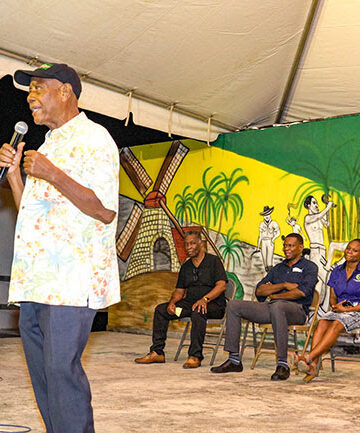
But state sponsorship of a holiday isn’t completion. True commemoration demands we ask uncomfortable questions: What would Sam Sharpe make of our current economic arrangements?
Of our continued participation in systems designed by those who enslaved us?
Of celebrations that honor his sacrifice while leaving fundamental power structures unchanged?
The flames Sam Sharpe lit at Tulloch Castle 194 years ago didn’t just burn sugar cane—they burned away the illusion that slavery was permanent.
Today, we must tend those flames, directing them toward the illusions that still constrain Caribbean sovereignty, economic independence, and genuine self-determination.
Sharpe didn’t fight for symbolic freedom. He fought for the real thing. Anything less dishonors his sacrifice and the thousands who stood with him when the British Empire seemed invincible.
The war isn’t over. We just fight it differently now.