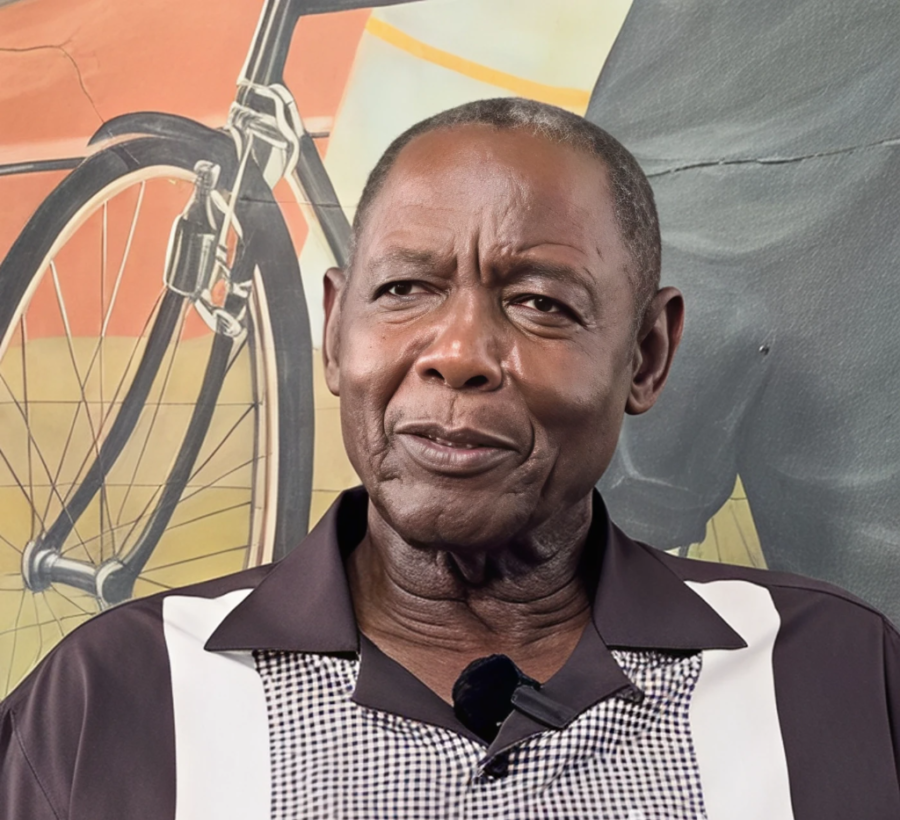
By Mark DaCosta- The recent events in our country expose a mounting crisis fostered by unregulated immigration that threatens the very fabric of our society and the security of our citizens. The bombing incident on October 26, 2025, attributed to alleged Venezuelan nationals, underscores a critical failure to manage migrant influx and the growing peril it poses for our nation. Lincoln Lewis, General Secretary of the Guyana Trades Union Congress, has expressed grave concerns over the government’s handling of immigration, which is increasingly seen as a reckless disregard for the welfare of its citizens.
In Lewis’ view, our country is facing a disturbing reality that emerges from the absence of a coherent immigration strategy and policy amidst a growing influx of migrants. For too long, the administration has prioritised short-sighted political gains over fostering a cohesive society. The tumultuous living conditions in regions dominated by foreign nationals highlight the tragic consequences of this neglect. He argues that the safety, rights, and well-being of ordinary Guyanese are being sidelined in favour of a system that appears chaotic and selective.
In the past year, residents have reported rising fears of violence and criminal activity, driven predominantly by Venezuelan gangs, which have grown bolder in areas already under strain. This unrest has compelled many Guyanese to abandon their homes, seeking refuge in more secure locales within our nation. The government’s response has been lethargic, leaving communities vulnerable and uncertain about their safety. Lewis asserts that the ongoing insecurity represents a broader failure of leadership, stating, “No country can function effectively when its citizens live in fear, uncertain of their government’s ability or willingness to protect them.”
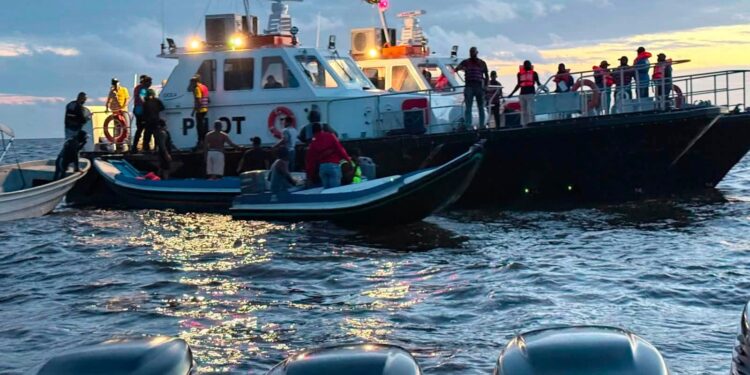
Moreover, the situation is exacerbated by the recent oil boom, which has drawn even more individuals seeking opportunities in Guyana. Yet, without a robust immigration framework, the influx has been largely unchecked. As described by Lewis, “People are arriving daily by plane and boat,” as if the gates have been flung wide open without any regard for regulatory measures. The government’s ineffective management has not only overwhelmed health and education systems but also strained housing resources. There are alarming signs of slum formation and the invasion of abandoned properties, with many being occupied by migrants, particularly Venezuelans. This unplanned immigration undermines local job security and wages, as desperate foreign workers undercut the market.
While our nation has long celebrated diversity, there are growing signs of dissatisfaction among its citizens regarding the perceived preferential treatment afforded to certain groups. Lewis points out that labour demands are being skewed against the average Guyanese, with some foreigners enjoying better employment conditions in the public sector, while local workers feel increasingly marginalised. Each day, Guyanese are confronted with the unsettling reality of being treated as visitors in their own homeland: “Each day, Guyanese walk their own streets and feel like strangers in their homeland.”
The lack of targeted policies for assimilating newcomers complicates an already tenuous scenario. While it is essential to acknowledge the humanitarian plight of migrants, there is an urgent need to ensure that their integration does not come at the expense of our cultural identity. Lewis stresses the importance of language acquisition, advocating for mandatory English language education for non-English-speaking migrants, reinforcing that “English is our official language” and that learning it must be part of their integration process.
The challenges posed by reckless immigration policies extend beyond economic competition. Lewis warns of the potential rise in ethnic tensions as communities feel threatened by newcomers. In a context where discontent is already simmering, there is a real danger that unchecked migration could intensify divisions, leading to violent confrontations. The consequences of such discord can be catastrophic for a nation that has fought hard to achieve relative peace and harmony.
Lewis’s critique of the current administration extends to a call for a bipartisan approach to address these pressing issues. He believes that it is imperative for the government, in collaboration with civil society and trade unions, to develop comprehensive strategies aimed at protecting the rights and livelihoods of Guyanese while addressing the legitimate needs of migrants. “The Government must develop a bipartisan strategy to manage this crisis,” he urges, suggesting that collaboration is crucial not only for addressing immediate concerns but also for safeguarding our community’s socio-economic and political integrity.
As the crisis deepens, the government cannot continue to ignore the grievances of its citizens or leave the burden of this upheaval on the shoulders of the working populace. The benign neglect of vital issues relating to immigration risks undermining the social contract between the state and its citizens. Lewis cautions against a potential future where our cultural identity becomes compromised: “We are now facing a crisis that threatens to submerge our culture,” he asserts, highlighting that this is not merely an issue of economics but also a matter of national security and identity.
Our nation stands at a pivotal junction, where urgent action is needed to address the burgeoning immigration crisis. Lincoln Lewis has illuminated significant failings on the part of our government in its responsibilities to protect its citizens. The time is now for a responsible and measured approach to immigration that uplifts not only new arrivals but importantly, the citizens of this land who have strived tirelessly to build a secure and prosperous society. It is a call to redefine our immigration policies with clarity and compassion, ensuring that the rights of Guyanese are prioritised above all else.