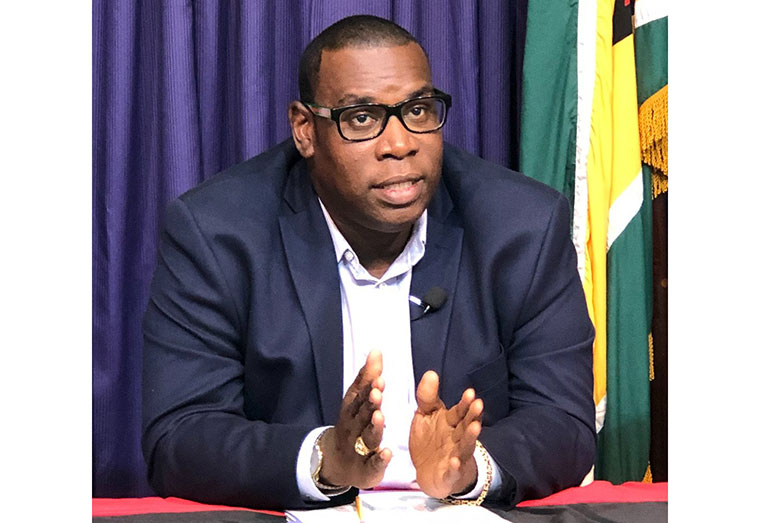
President Irfaan Ali has called for a balanced and equitable approach to the global energy transition, as world leaders gather for the 30th Conference of the Parties (COP30) to the United Nations Framework Convention on Climate Change (UNFCCC) in Belém, Brazil, running from November 10–21, 2025.
Speaking at a COP30 roundtable on energy transition, President Ali stressed that fossil fuels still supply over 80 % of global energy and questioned whether a rapid shift away from them is feasible for developing countries burdened with high debt and energy poverty. “Does the world still need fossil fuel? Can we meet the energy gap, energy poverty and power the new world driven by AI without fossil fuel?” he asked. “The real question is: how do we manage this transition in a way that is just, rules-based, and equitable?”
COP30 aims to limit global warming to 1.5 °C above pre-industrial levels, achieve net-zero greenhouse gas emissions by 2050, and increase climate finance to US$1.3 trillion annually to support developing nations. While Ali’s emphasis on fairness and energy access aligns with COP30’s equity goals, his call for continued fossil-fuel use in developing economies contrasts with the conference’s broader mandate to rapidly phase out fossil fuels to meet the 1.5 °C target.
The President also urged the international community to provide practical financial mechanisms, such as transition finance facilities and concessional instruments, to make renewable energy accessible and affordable, while ensuring developing countries can continue to grow without being forced into energy poverty.
“If we can balance investing in the energy of the future while managing fairly the decline of the energy sources of today, then the transition will be science-based, predictable, and fair,” President Ali asserted, calling for global unity and inclusion in the effort to achieve net zero.
![Short dramas produced by Flytoto Culture &Technology Co draw crowds of visitors at the 23rd China-ASEAN Expo. [Photo provided to CHINA DAILY]](https://villagevoicenews.com/wp-content/uploads/2026/10/6abeef0ce4b06d4a392d76e2-750x375.jpeg)