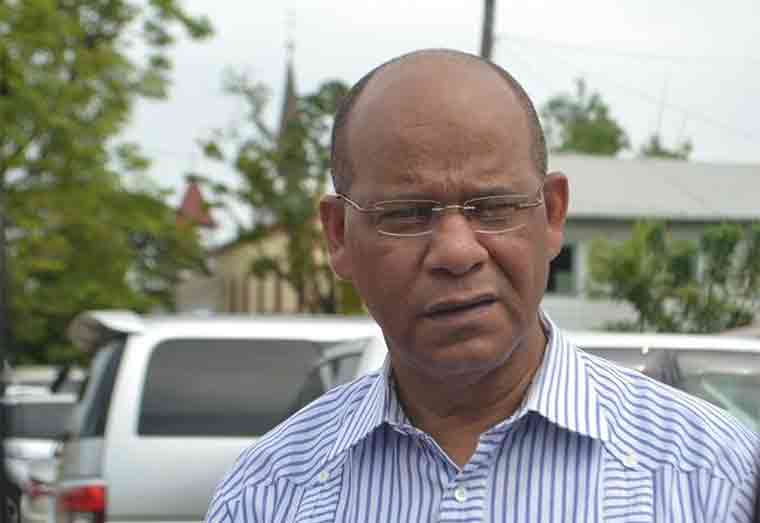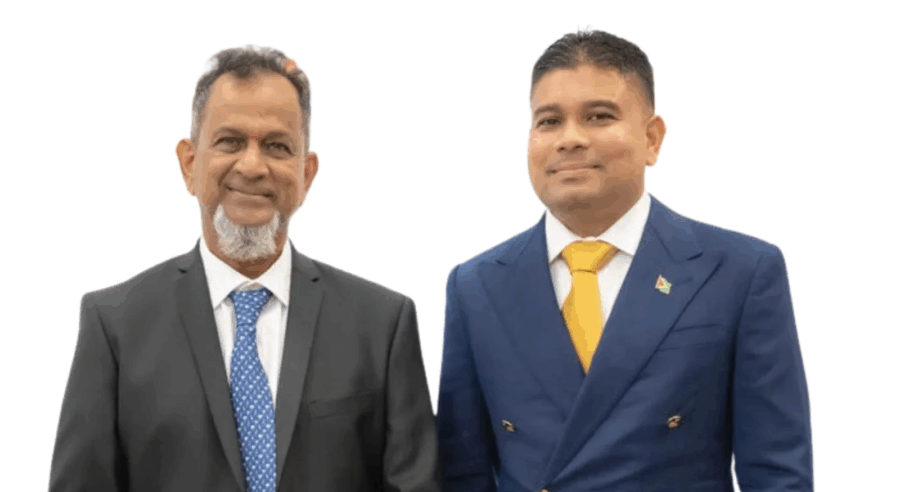
By Mark DaCosta-Recent developments in our nation have unfolded as Azruddin Mohamed, the leader of the We Invest in Nationhood (WIN) Party and a businessman facing United States (U.S) sanctions, has been reportedly apprehended in Georgetown alongside his father, Nazar “Shell” Mohamed. This article aims to delve into the ramifications of their arrests, which are linked to allegations of fraud related to gold exports in the United States.
The arrest of the Mohameds raises significant questions for our country as they were recently indicted by U.S. authorities on multiple counts, including fraud. Reports suggest that their detention might be connected to these allegations, potentially sparking extradition proceedings. In essence, extradition refers to the formal process of transferring a criminal suspect from one jurisdiction to another, typically from one country to another, for prosecution or to serve a sentence. The United States may seek to bring the Mohameds back to face charges that could result in hefty penalties, further complicating the political landscape in our nation.
Sanctions imposed by the United States against Azruddin Mohamed signify serious concerns regarding his business dealings, particularly in the gold industry, which has increasingly come under scrutiny for potential illicit activities. These sanctions mean that Mohamed is prohibited from conducting financial transactions or engaging in trade with American entities, severely impacting his ability to operate within global markets. Furthermore, an indictment is a formal accusation that a person has committed a crime, and it often precipitates legal action in the courts. In this case, it points to serious allegations that cannot be taken lightly.
While the Guyana Police Force has not provided an official statement on the situation, the implications of these reported arrests extend well beyond the immediate legal ramifications. There are considerable political undercurrents at play, particularly concerning the fractured relationship between various political factions in our country. The WIN Party, under Mohamed’s leadership, has positioned itself as an alternative to the ruling People’s Progressive Party (PPP), which has faced its own share of controversies.
The Political arena in our nation has long been plagued by allegations of corruption and mismanagement, leading many citizens to question the integrity of those in power. The arrest of prominent figures such as the Mohameds provides an opportunity for opponents of the PPP to rally support and highlight issues concerning governance, accountability, and the need for credible leadership. It is crucial to examine how such high-profile incidents might galvanise public sentiment against the ruling party, which has been accused of failing to address illegal gold mining activities and their associated consequences.
The extradition process, should it occur, could take months or even years, during which time there will likely be intense scrutiny of both the legal proceedings and the political implications. The prospect of extradition could serve as a double-edged sword: it might diminish trust in our nation’s judicial system if perceived as being manipulated by foreign powers, or it could strengthen calls for legal reform and greater accountability for those in positions of power.
Moreover, if charges against the Mohameds are proven, the potential fallout could further destabilise the business environment in our country, particularly in the precious metals sector. With the international market already wary of corruption linked to gold exports, the apprehension of high-profile figures could lead to repercussions for legitimate businesses striving to maintain ethical standards.
As this story develops, it is essential for citizens to remain vigilant and engaged in the dialogue surrounding leadership and governance in our nation. The Mohameds’ situation serves as a potent reminder of the intertwined nature of business, politics, and the need for transparency in all dealings. The arrest of such influential figures could be the catalyst for a significant shift in public opinion and a call for an honest, accountable government that prioritises the welfare of its citizens over personal gain. The future of our nation depends on how we navigate these murky waters and demand integrity from those who seek to lead us.