By Mark DaCosta- a recently voiced commitment, the A Partnership for National Unity (APNU) has expressed intentions to establish a dedicated mechanism aimed at addressing notorious unsolved murders, with particular emphasis on the assassination of former agriculture minister Satyadeow Sawh. Notably, this pledge comes nearly two decades after the tragic slaying of Sawh — who served as a distinguished leader and minister within our country’s government — alongside three members of his family. The horrific events of April 22, 2006, continue to resonate deeply within the collective memory of our nation.
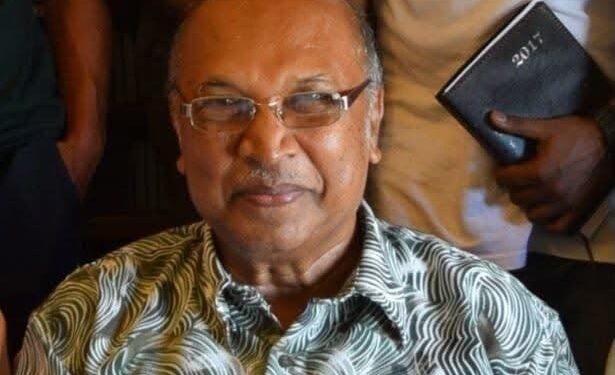
Satyadeow Sawh, affectionately known as “Sash,” was a prominent figure in our political landscape and a devoted member of the Hindu community. He was murdered, along with his brother Rajpat Rai Sawh, his sister Phulmattie Persaud, and a security guard, Curtis Robertson, during a brutal home invasion at their residence in East Coast Demerara. This incident shocked the nation and marked a disturbing escalation in political violence, raising numerous questions regarding the motivations behind the harrowing attack. While authorities initially portrayed the incident as a robbery, many speculated that it was an orchestrated assassination, influenced by the arduous political climate of the time.
The complexities surrounding the investigation into the Sawh family murders have lingered for years, steeped in allegations of political intrigue and gruesome happenings emblematic of a tumultuous era. The violent crime wave that spread throughout the mid-2000s saw the deaths of numerous individuals, many from the hands of armed gangs operating with alleged impunity in various regions, including the notorious East Coast. Amidst these turbulent times, speculation thrived concerning the involvement of powerful figures, as the government of the day even hinted at a sophisticated plan behind the attack intended to disrupt upcoming elections.
Tragically, the Sawh family incident was not an isolated occurrence. In that same era, the killings of several individuals, including the tragic case of Donna McKinnon — a teacher shot dead near Freedom House, exemplified the pervasive fear that gripped ordinary citizens. McKinnon’s death was accompanied by public outrage and calls for justice, yet, like in Sawh’s case, the formal investigations failed to produce substantial outcomes. Another untimely death connected to gang activity was that of a former police officer whose life ended under questionable circumstances, further underscoring the pervasive violence and lawlessness at the time.
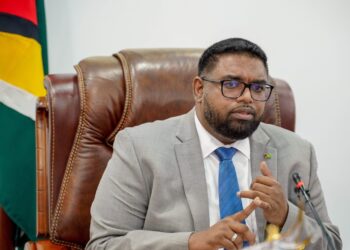
The proposed establishment of a dedicated investigatory unit regarding the Sawh murders, as articulated by APNU vice presidential candidate Ganesh Mahipaul, reflects a growing recognition of the need for justice amongst grieving families. Egyptian figures like Roger Sawh, the son of the deceased minister, have repeatedly called for renewed efforts to uncover the truth behind the relentless tragedy that has weighed heavily on their hearts for seventeen long years. The painful toll of unresolved grief has prompted the family of Satyadeow Sawh to implore authorities to assume accountability and rectify past failures.
There is a palpable tension within our political discourse concerning how law enforcement and investigative entities have historically responded to such heinous acts. Numerous promises made by previous administrations, including that of former President David Granger, yielded little more than unfulfilled assurances, with repeated vows cited to seek foreign assistance to resolve the complex case failing to materialise into any tangible outcomes or arrests.
As the APNU moves forward with its electoral strategies, the call for a thorough investigation into the Sawh killings serves not only as a promise of accountability but also as a reminder of a bleak chapter in our nation’s saga.