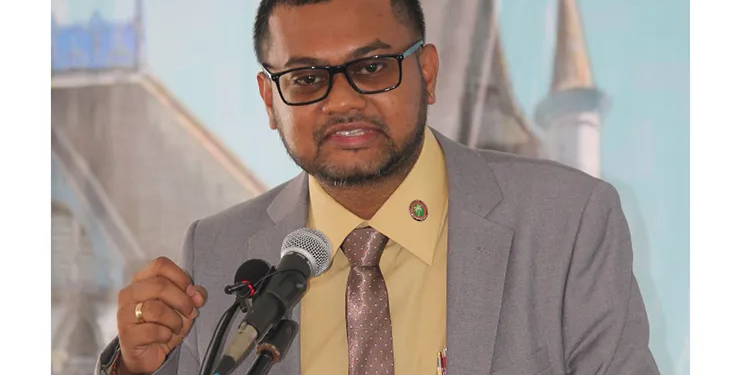
Georgetown, Guyana – August 1, 2025 – Vice President Irfaan Ali’s Emancipation Day tribute backfired today as a photo shared across social media to mark the historic holiday drew swift criticism from citizens and cultural activists. The image, featuring the Vice President surrounded by persons dressed in African-inspired attire, included no visibly African individuals, on a day meant to commemorate the liberation of African slaves and honor the African contribution to Guyana’s identity.
“This isn’t just a tone-deaf oversight, it’s a calculated insult,” said one youth activist from Sophia. “They wrapped themselves in kente cloth and posted a photo that erased the very people Emancipation Day is supposed to center. It’s performative politics at its worst.”
The post, which quickly went viral, was labeled by critics as symbolic of deeper issues plaguing Guyanese society, namely, the marginalization of African-Guyanese voices in national leadership, ceremonial events, and policymaking.
“The government has mastered the art of symbolic inclusion without substance,” said a University of Guyana lecturer. “This image is not just an aesthetic blunder. It reflects the alienation many African-Guyanese feel from the state apparatus and the hollowing out of Emancipation Day into just another photo op.”
The backlash is especially poignant given growing concerns over racial discrimination in hiring, resource allocation, and state contracts. Several observers noted that African-Guyanese youths, despite excelling in school and earning degrees from the University of Guyana, often face limited employment opportunities, poor wages, and are underrepresented in leadership roles in both the public and private sectors.
“This government cannot preach about African heritage while ignoring the lived realities of African descendants,” another commenter posted on Facebook. “To erase us from the Emancipation Day narrative is not just insensitive, it’s a declaration of who they believe belongs and who doesn’t.”
As calls grow for an official apology and meaningful reform, the photo has become a lightning rod for broader frustrations about the state’s racial politics.