The URGENT NEED for MORE INTENSIVE, 3Ds, DIPLOMACY and DIALOGUE for DECISIONS for a MORE CARING World.
The COMPETITION between the USA and CHINA has become a defining feature of the 21st-century Global Landscape. This RIVALRY spans MULTIPLE DOMAINS, including Economics, Technology, Military Power, and Ideological Influence.
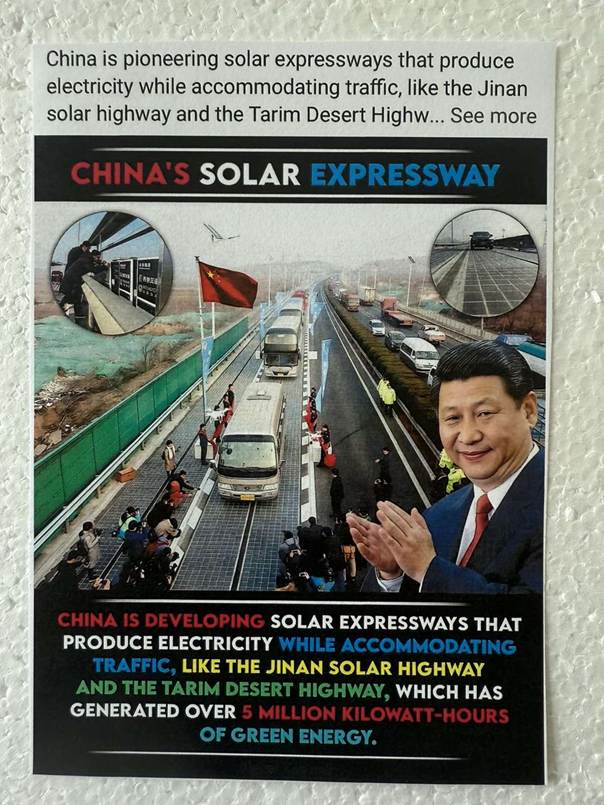
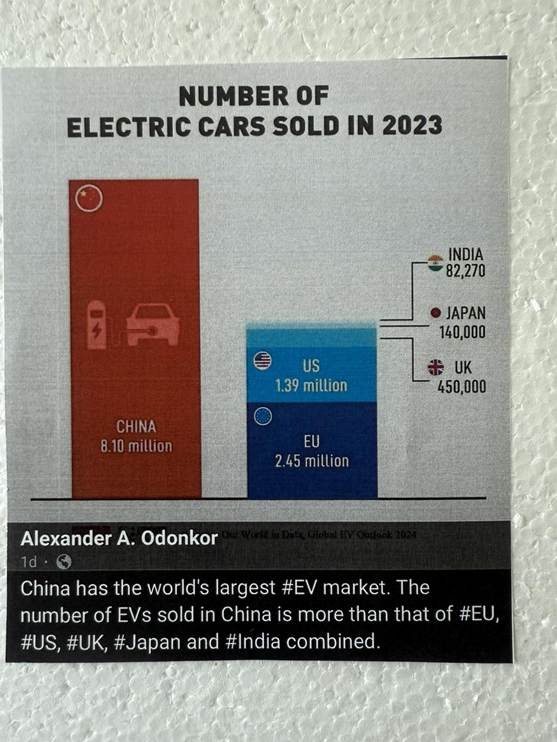
BOTH NATIONS are vying for LEADERSHIP in areas such as ARTIFICIAL INTELLIGENCE, 5G TECHNOLOGY, and RENEWABLE ENERGY, with SIGNIFICANT IMPLICATIONS for future ECONOMIC and MILITARY CAPABILITIES.
The COMPETITION also extends to GEOPOLITICAL SPHERES, with BOTH countries seeking to expand their influence through Trade Agreements, Diplomatic Partnerships, and Strategic Alliances. This ONGOING RIVALRY is likely to shape the FUTURE of INTERNATIONAL RELATIONS, GLOBAL GOVERNANCE, and ECONOMIC DEVELOPMENT, with potential CONSEQUENCES for the rest of the WORLD.
The USA-CHINA competition is MULTIFACETED , with both nations COMPETING in 12 areas:
– COMPETING IN TECHNOLOGY : Advancements in AI, 5G, and semiconductors will shape the future of industries and military capabilities.
– VYING for GLOBAL INFLUENCE: Diplomatic efforts, economic partnerships, and strategic alliances are crucial in shaping international relations and governance.
– ENGAGING in ECONOMIC RIVALRY : Trade policies, investments, and market access are key areas of competition, impacting global economic stability.
– PURSUING MILITARY MODERNIZATION: Advancements in military technology, space exploration, and cybersecurity will redefine the balance of power.
– GLOBAL STABILITY: Increased tensions could lead to conflict or destabilization.
– ECONOMIC INTERPENDENCE : Complex supply chains and trade relationships make it challenging to navigate competition without disrupting global economies.
– IDEOLOGICAL DIFFERENCES: The USA and China promote different governance models, influencing global perceptions and alliances.
– GLOBAL GOVERNANCE: The two nations have differing visions for international order, with the USA promoting democracy and human rights, while China advocates for a more multipolar world.
– TRADE and INVESTMENT: The competition affects global trade patterns, investment flows, and supply chains, potentially leading to decoupling or re-shoring.
– TECHNOLOGICAL ADVANCEMENTS : The rivalry drives innovation, but also raises concerns about intellectual property theft, cybersecurity, and the potential for technological dominance.
– REGIONAL DYNAMICS : The competition plays out in various regions, such as the Asia-Pacific, where countries must navigate relationships with both powers.
– SECURITY and MILITARY: The military modernization and expansion of both nations raise concerns about potential conflict, particularly in the South China Sea.
The competition between the USA and China is likely to be a defining feature of the 21st century, shaping the GLOBAL landscape and INFLUENCING the lives of people around the world.
The OUTCOME of this COMPETITION will shape the FUTURE of INTERNATIONAL RELATIONS, ECONOMIC DEVELOPMENT and GLOBAL GOVERNANCE.
USA HISTORY
The United States of America has a rich and complex history spanning over two centuries. From its Indigenous populations to European colonization, the country’s history is marked by momentous events such as the American Revolution, the Civil War, and the Industrial Revolution. The 20th century saw the USA emerge as a global superpower, playing a crucial role in both World War I and World War II. The Civil Rights Movement of the 1950s and 60s fought for racial equality, while the country continued to evolve through technological advancements and cultural shifts. Today, the USA remains a leader in innovation, democracy, and global affairs.
CHINA HISTORY
China’s history is one of the longest and most complex in the world, dating back over 4,000 years. From ancient dynasties like the Qin and Han to the Mongol invasions and the Ming dynasty’s grandeur, China’s past is filled with significant cultural, philosophical, and territorial developments. The Opium Wars of the 19th century marked the beginning of foreign influence, followed by the fall of the Qing dynasty in 1912. The Communist Party of China (CPC) took power in 1949 under Mao Zedong, leading to significant reforms and tumultuous events like the Cultural Revolution. Since economic reforms began in the late 1970s, China has rapidly modernized, becoming a global economic powerhouse while maintaining a unique blend of socialist and capitalist elements. Today, China plays a pivotal role in global trade, technology, and geopolitics.
POPULATION
– USA: approximately 334 million
– China: approximately 1.425 billion
DEBT
– USA: Total debt exceeds $34 trillion, with a massive portion being national debt
– China: Total local hidden debt stood at RMB 14.3 trillion (US$2 trillion), with an overall government debt-to-GDP ratio of 67.5 percent
ECONOMY
– USA: GDP of $29.2 trillion, growing at 2.8% annually, driven by consumer spending and investments in technology and services
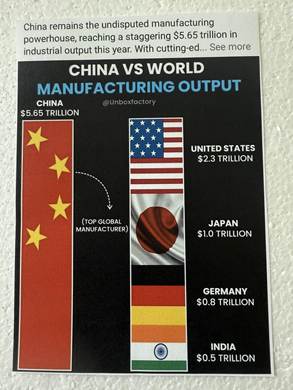
– China: GDP of $18.9 trillion, growing at 5.0% annually, fueled by robust manufacturing and high export demand
ARMY
– USA: Active personnel: approximately 1.2 million; Reserve personnel: approximately 850,000
– China: Active personnel: approximately 2.2 million; Reserve personnel: approximately 500,000 (numbers may vary based on source)
NAVY
– USA: Operates around 490 ships, with a focus on advanced technology and global presence
– China: Operates around 710 ships, with a growing focus on modernization and expansion
AIR FORCE
– USA: Operates over 13,000 aircrafts, including advanced fighter jets and bombers
– China: Operates around 3,000 aircrafts, with a focus on modernizing its fleet with advanced fighter jets and stealth technology.
USA and China’s exports of HEAVY RARE EARTH and CRITICAL MINERALS.
CHINA
– Produces around 90% of the world’s refined rare earths and 99% of heavy rare earth metals
– Dominates the global supply chain for rare earth magnets, accounting for 90% of production
– Has imposed export controls on key rare earth elements, including heavy rare earths like dysprosium and terbium
USA
– Has only one operational rare earth mine, Mountain Pass in California, which produces 45,000 metric tons of rare earths
– Lacks the capability to process heavy rare earths, relying on China for refining
– Imports most of its rare earths, with 70% coming from China between 2020 and 2023
EXPORT RESTRICTIONS
CHINA
– Has imposed temporary export restrictions on seven rare earth minerals, including samarium, gadolinium, and lutetium
– Requires special export licenses for these minerals, granting authorities control over who can access them
– Has banned exports of certain metals, like gallium, germanium, and antimony, to the US
USA
– Does not have significant export restrictions on rare earth minerals, but faces challenges in meeting domestic demand
IMPACT and IMPLICATIONS
– CHINA’S export controls, may severely disrupt US manufacturing and defense production, particularly for industries reliant on heavy rare earths
– USA dependency on China, for rare earth minerals poses significant risks to national security and economic resilience
– Alternative sources, are being explored, including potential partnerships with countries like Ukraine and Greenland, which hold significant rare earth reserves.¹ ² ³
https://www.reuters.com/world/
Guyana’s POTENTIAL for RARE EARTH elements, CRITICAL minerals, and URANIUM.
– Mineral Deposits: Guyana has mineral deposits and occurrences of gold, diamonds, manganese, columbite-tantalite, uranium, and rare earth elements.
– Expanded Mineral Mapping: The country has expanded its mineral mapping capacity to track critical minerals like gallium, hafnium, iron, rare earth elements, copper, limestone mud, scandium, tantalum, and neodymium.
– Natural Resource Potential: This expanded mapping is expected to add to Guyana’s natural resource potential.¹ ²
TWO companies are actively exploring for critical minerals in nearby regions. F
– Goldenfire Minerals Inc.: A Canadian company exploring for gold, base metals, and critical minerals in Ontario, with experience in Guyana. Their team includes geologists with expertise in mineral exploration and research.
In terms of production and processing, some US companies are making strides in RARE EARTH production:
– Energy Fuels Inc.: A US-based company that has developed technology to produce six of the seven rare earth oxides currently restricted by Chinese export controls. They plan to expand their capacity to process monazite ore concentrates into separated neodymium-praseodymium oxide and other rare earth oxides.
EMPIRES: Good and Bad
EMPIRES have shaped human history, leaving lasting legacies, with some notable examples, per Meta AI.
GOOD EMPIRES 3 : Meta AI
1. ROMAN Empire (27 BC – 476 AD): Known for its contributions to LAW, ARCHITECTURE, ENGINEERING, and GOVERNANCE. The Romans built ROADS, AQUEDUCTS, and PUBLIC BUILDINGS that stood the test of time.
2. ACHAEMENID Empire (550 – 330 BC): Under Cyrus the Great, this empire promoted TOLERANCE, TRADE and CULTURAL EXCHANGES. It allowed conquered peoples to maintain their customs and religions.
3. MALI Empire (1230 – 1600 AD): A center of ISLANIC LEARNING and TRADE , the Mali Empire fostered ECONOMIC GROWTH, CULTURAL DEVELOPMENT and INTELLECTUAL PURSUITS.
BAD EMPIRES 3 : Meta AI
1. BRITISH Empire (16th – 20th century): While it spread English language and culture, it also EXPLOITED COLONIES, imposed UNFAIR ECONOMIC SYSTEMS, and suppressed LOCAL cultures.
2. MONGOL Empire (1206 – 1368 AD): Genghis Khan’s conquests were marked by VIOLENCE, DESTRUCTION, and MASS KILLING. The Empire’s expansion came at a high human cost.
3. SPANISH Empire (1492 – 1898 AD): The conquest of the Americas led to the EXPLOITATION and DEVASTATION of INDIGENOUS POPULATIONS , with DISEASES brought by Europeans decimating NATIVE populations.
COMPLEX EMPIRES 2 : Meta AI
1. OTTAMAN Empire (1299 – 1922 AD): This Empire had both positive and negative aspects. It facilitated cultural exchange, trade, and architectural innovation BUT also imposed strict rule and taxed its subjects heavily.
2. QIN Dynasty (221 – 206 BC): Known for standardizing weights, measures, and currency, the Qin also imposed harsh labor and punishments, leading to widespread discontent.
Empires are complex entities with multifaceted legacies, and their impact on history can be both beneficial and detrimental.
PICTURES SPEAK
2017 Photo. At Guyana Embassy in KUWAIT, LOBBY, for “SHOW, TELL & KNOW Program.” Designed by Dr. Maryann Beebe Ally. Information supplied by the Minister of Business & Tourism, Hon. Dominic Gaskin.
Onward & Upward towards, One People, One Nation, One Destiny.