Georgetown, the capital city of the “Land of Many Waters,” is now at the centre of a growing crisis that has left residents frustrated and questioning the competence of the authorities. The capital city’s water supply, managed by the Guyana Water Incorporated (GWI), has become a significant source of distress, with many citizens reporting that the water coming from their taps is heavily discoloured and muddy — rendering it unfit for use.
GWI recently issued a statement on its official Facebook page, attributing the water supply issues to high levels of turbidity and sediment at the Shelter Belt intake. According to the company, “emergency works are in progress” to address the situation, with an estimated timeline of a week for repairs to be completed. However, this announcement has done little to quell the anger of Georgetown’s residents, many of whom claim that these water issues have persisted for weeks, if not months, with no resolution in sight.
The presence of muddy, discoloured water in households is not just an inconvenience — it poses serious health risks. The World Health Organisation (WHO) has repeatedly emphasised that access to clean water is critical for preventing the spread of diseases such as cholera, dysentery, and typhoid. “Safe and readily available water is important for public health, whether it is used for drinking, domestic use, food production, or recreational purposes,” states the WHO in its guidelines on drinking water quality. The current state of Georgetown’s water supply fails to meet these standards, exposing residents to potential health hazards.
The psychological toll of living with such poor water quality is also significant. Residents describe the experience of bathing in the murky water as “nasty” and “unbearable.” For many, the water feels so contaminated that they are unable to properly cleanse themselves, leading to a sense of discomfort and distress that adds to the already mounting stress of daily life. The Centers for Disease Control and Prevention (CDC) notes that exposure to poor water quality can have mental health impacts, particularly in situations where individuals feel powerless to change their circumstances.
In addition to health risks, the poor water quality has disrupted the daily routines of Georgetown’s residents, particularly when it comes to household chores. Washing white and light-coloured clothing with the dirty water is nearly impossible, as the water leaves unsightly stains and discolouration. This has forced many to either avoid washing certain items altogether or resort to using bottled water for laundry — an impractical and costly solution for most.
A report from the United Nations International Children’s Emergency Fund (UNICEF) highlights the broader implications of such disruptions: “Inadequate access to clean water and sanitation facilities has a ripple effect on households, affecting everything from health to educational outcomes.” Georgetown’s situation is a stark example of how poor infrastructure can have far-reaching consequences for a community’s overall well-being.
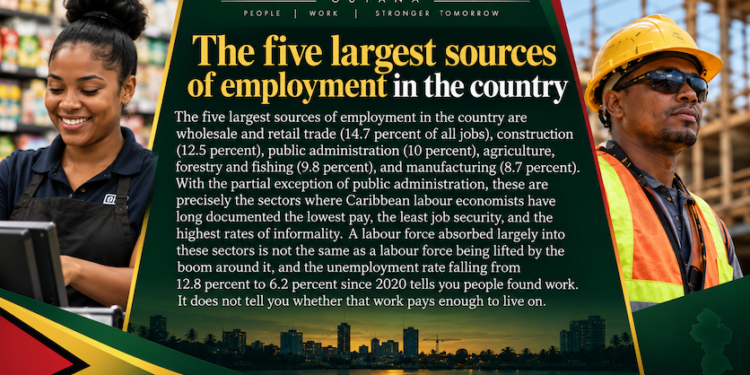
In a nation that is experiencing rapid economic growth due to its burgeoning oil industry, it is unconscionable that basic infrastructure such as clean water remains in such a dire state. According to the World Bank, Guyana’s economy is projected to grow by 25.2 percent in 2024, making it one of the fastest-growing economies globally. Yet, this economic boom has not translated into improved public services for all citizens, raising serious questions about the government’s priorities and competence.
The situation in Georgetown demands immediate and decisive action from the PPP government. The residents of the capital have shown remarkable patience, but this patience is rapidly wearing thin. It is the government’s responsibility to not only address the immediate technical issues at the Shelter Belt intake but also to undertake long-term infrastructure improvements that will prevent such crises from recurring.
The United Nations’ Sustainable Development Goal 6 (SDG 6) calls for universal access to clean water and sanitation by 2030. Guyana, as a signatory to this global commitment, must take urgent steps to fulfil this promise to its people. Access to clean water is a fundamental human right, and the residents of Georgetown deserve nothing less.
As our country continues to grow and prosper, it is imperative that this progress benefits all citizens, not just a select few. The government must prioritise the health and well-being of its people by ensuring that everyone has access to safe, clean water. The current water crisis in Georgetown is a glaring failure of governance, and it is time for the PPP government to rise to the occasion and deliver on its promises. The people of Georgetown, and indeed all of Guyana, deserve better.