Human rights body alleges misuse of legal proceedings, questions prosecution’s amendment of alleged shooting location, and calls for compensation
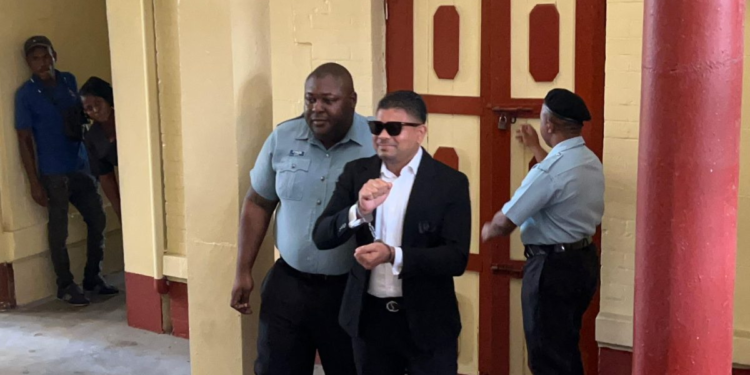
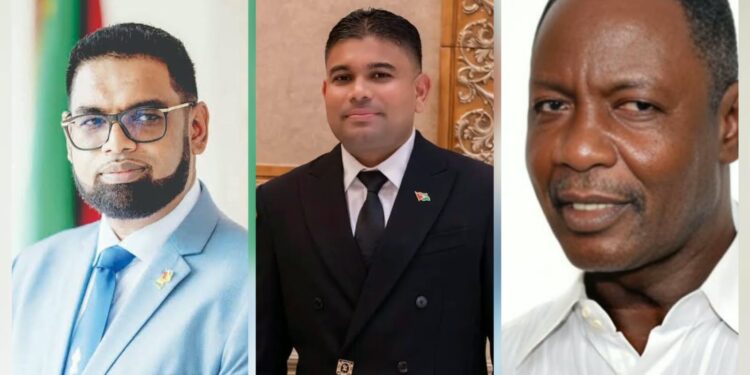
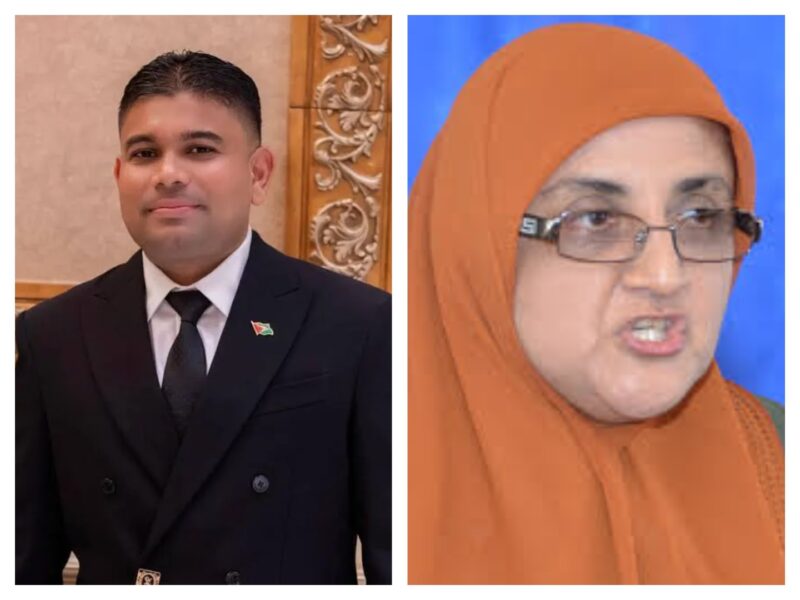
The Guyana Human Rights Association (GHRA) has called for the immediate release of Opposition Leader Azruddin Mohammed, an inquiry into the conduct of the Director of Public Prosecutions (DPP) and her office, and compensation for the parliamentarian, alleging that the legal proceedings against him raise serious concerns about the administration of justice and the protection of democratic rights.
In a press release issued on November 25, 2026, the human rights organisation accused the prosecution of using the law as an instrument of oppression, arguing that Mohammed’s continued detention without bail has prevented him from carrying out his constitutional responsibilities as Guyana’s Leader of the Opposition.
The GHRA’s concerns centre on an alleged shooting incident reported to have occurred on October 24, 2026. According to the organisation, Mohammed was initially charged in connection with an alleged shooting in Barr Street, Kitty, but the prosecution subsequently changed the alleged location to the corner of Vlissengen Road and Sandy Babb Street during proceedings before Magistrate Abigail Gibbs on November 24.
The association contends that the change raises fundamental questions about the basis of the original charge and the circumstances surrounding Mohammed’s continued incarceration.
“The Leader of the Opposition Mr Mohammed has been in jail for nearly four weeks, and continues to be so, for a non-existent offence in Barr Street Kitty,” the GHRA stated.
It called on the DPP to accept responsibility for what it described as a serious miscarriage of justice and urged her to resign.
The GHRA also questioned Magistrate Gibbs’ decision on November 24 to refuse Mohammed bail, despite arguments advanced by his defence team concerning the surveillance footage associated with the incident.
The association said the magistrate maintained that there had been no material change in circumstances to justify reconsidering bail and that Mohammed posed a risk of committing another offence if released.
However, the GHRA argued that the prosecution’s own application to amend the charge raised questions about the original description of the alleged offence.
Dispute over CCTV footage and alleged shooting
The controversy stems from an October 12, 2026 shooting incident outside the Kitty residence of Senior Superintendent of Police Prem Narine, head of the Guyana Police Force’s Special Branch.
The incident subsequently became the subject of criminal proceedings involving allegations that police surveillance footage was unlawfully obtained and transferred.
Mohammed was charged under the Cybercrime Act alongside Police Constable Ryan Greene over the alleged unauthorised transfer of electronic data from the Police Force’s Safe Country surveillance system. The prosecution alleges that Greene obtained footage from the Police Command Centre at Liliendaal and transferred it to Mohammed in exchange for $800,000.
Mohammed has maintained that the footage supports his account of the encounter with Narine. His defence has argued that the video does not show him firing at anyone.
On November 24, the prosecution also sought to amend and separate the existing cybercrime charge, including changing the location of the shooting referenced in the charge from Barr Street, Kitty, to the corner of Vlissengen Road and Sandy Babb Street.
The defence objected to the proposed amendments. Magistrate Gibbs directed both sides to submit written arguments and scheduled a ruling on the prosecution’s application for November 30.
The GHRA has seized on this development, arguing that Mohammed has remained incarcerated for weeks while the prosecution seeks to alter a key detail in the case.
The organisation also criticised the magistrate’s consideration of other pending criminal charges in determining whether Mohammed should be granted bail.
High Court had previously rejected bail challenge
The latest controversy follows a November 18 decision by Justice Priscilla Chandra-Hanif, who dismissed an application for judicial review challenging the magistrate’s original refusal to grant Mohammed bail.
The High Court found that a magistrate could consider the existence and circumstances of other pending charges when assessing whether an accused person presented a risk of further offending.
However, the judge emphasised that pending allegations must not be treated as proof of guilt and that decisions to refuse bail must have a rational and factual foundation.
Justice Chandra-Hanif also made clear that Mohammed remained entitled to renew his bail application if new evidence or changed circumstances emerged.
Caribbean Broadcasting Corporation+1
The GHRA maintains that the subsequent developments, particularly the prosecution’s proposed amendment to the charge, should have prompted a fresh assessment of the circumstances surrounding his detention.
GHRA invokes Guyana’s history of political repression
Beyond the immediate court proceedings, the human rights organisation placed the controversy within the wider historical context of what it described as the misuse of state institutions and the legal system to suppress political opposition in Guyana.
It recalled the suspension of British Guiana’s Constitution in 1953 by the British Government and the imprisonment of political leaders, including the founder of the People’s Progressive Party (PPP), Dr Cheddi Jagan.
The association also referenced the period of political dictatorship following Independence, citing the 1979 killing of Catholic priest Father Bernard Darke, who was stabbed while photographing a protest in Georgetown. Darke’s death occurred during a period of heightened political tensions and repression involving opposition activists.
The GHRA further pointed to allegations of unlawful police killings and abuses following the restoration of democratic governance in 1992, arguing that concerns about the misuse of state power have persisted across different periods of the country’s political history.
In its latest statement, the organisation warned that the detention of an elected Opposition Leader raises questions extending beyond the individual criminal proceedings, particularly where his incarceration prevents him from participating fully in the work of the National Assembly and fulfilling his constitutional responsibilities.
The association described Mohammed’s continued detention as an attack on democratic representation and accused the authorities of undermining the country’s democratic institutions.
Calls for accountability and compensation
The GHRA has outlined three demands: the immediate release of Mohammed, an independent inquiry into the conduct of the DPP and her office, and compensation for the Opposition Leader for what it considers an unjustified deprivation of his liberty.
Its statement concluded that the circumstances surrounding the proceedings represented a serious threat to the rule of law and the democratic rights of citizens.
The organisation stated:
“This is plainly a case of the corruption of the law as an instrument of oppression in Guyana and the subversion of Guyana’s democracy with the effect that the duly-elected Leader of the Opposition is unable to carry out his functions while incarcerated in solitary confinement for almost a month now.”
The association’s intervention adds another dimension to the growing public debate surrounding Mohammed’s detention, the prosecution’s handling of the surveillance footage allegations and the courts’ consideration of his repeated applications for bail.
The criminal allegations against Mohammed remain before the courts, and he has not been convicted of the offences. The prosecution’s application to amend the cybercrime charge is also awaiting the magistrate’s determination.