Despite a G$113.2 billion allocation to agriculture in Budget 2026, farmers continue to grapple with flooding, inadequate irrigation and poor infrastructure, prompting A Partnership for National Unity (APNU) to accuse the PPP/C Government of failing to translate massive public spending into tangible results for the sector.
In a statement issued Friday to mark Agriculture Month 2026, APNU pointed to declining crop production, rising food prices and a sharply reduced agricultural growth forecast as evidence of what it described as persistent failures in planning, execution and accountability.
The opposition partnership cited the Government’s 2026 Mid-Year Report, which recorded a 0.5% contraction in agriculture, forestry and fishing during the first half of the year, even as the overall economy expanded by 33.3%.
APNU said the figures exposed a troubling disconnect between Guyana’s oil-driven economic expansion and the performance of a sector critical to food security, rural employment and economic diversification.
“Yet this enormous potential is being undermined by inadequate planning, inconsistent execution, weak accountability and the PPP/C Government’s preference for measuring agricultural progress by billions spent rather than results delivered,” the partnership said.
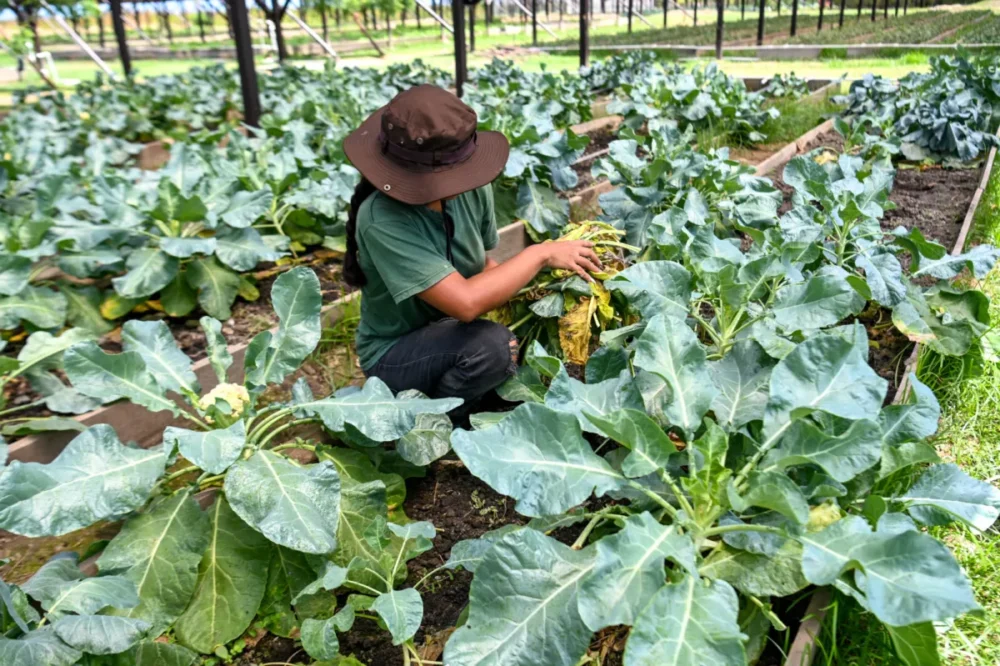
The report showed that other crops declined by 6.4% during the first half of 2026. Vegetables fell by 4.2%, spices by 17.7%, cole crops by 19.1%, and beans and cereals by 5.7%.
Although rice, sugar, livestock, forestry and fishing recorded growth, APNU highlighted the Government’s decision to reduce its projected annual growth for agriculture, forestry and fishing from 7.6% to 2.9%. The projected growth rate for sugar-growing was also cut from 67.9% to 18.1%.
The partnership further pointed to a 6.7% increase in food prices between December 2025 and June 2026, alongside a 20.6% decline in rice export earnings compared with the corresponding period in 2025.
APNU argued that the figures raised questions about whether public expenditure was delivering improved productivity, stronger export performance and more affordable food for consumers.
Spending versus results
The G$113.2 billion allocation to agriculture includes substantial investments in drainage and irrigation. The Government has also announced additional drainage pumps, rehabilitated sluices, mechanisation, shade houses and digital agricultural services.
APNU said it did not oppose these investments but insisted that their success should be judged by their impact on farmers and consumers, rather than the value of the projects announced.
“We insist, however, that their effectiveness be measured by operational infrastructure, protected acreage, improved yields, farmers’ incomes and lower consumer prices—not the size of announcements.”
The partnership acknowledged that unusually heavy rainfall earlier this year had created genuine challenges but argued that extreme weather must be incorporated into long-term planning.
It called for modernised drainage and irrigation, improved water storage, climate-resilient crop varieties and stronger flood protection to safeguard farmers against both excessive rainfall and drought.
APNU also cited recommendations from the International Monetary Fund, the Food and Agriculture Organization and the Inter-American Development Bank on agricultural productivity, climate resilience, research, farmer training and stronger value chains. It said these priorities should form part of a coordinated national strategy with measurable targets and transparent implementation.
GuySuCo faces calls for independent review
The Guyana Sugar Corporation (GuySuCo) was singled out as an example of the difficulties facing the sector.
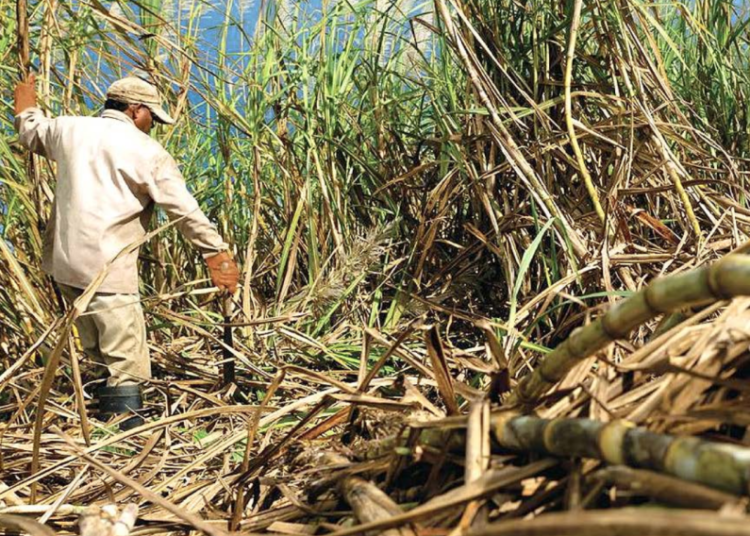
APNU said the Government’s original sugar production target for 2026 was 100,000 tonnes but was revised downward to 70,401 tonnes in the Mid-Year Report after first-crop production reached only 19,031 tonnes.
While sugar output increased compared with the corresponding period in 2025, the partnership said this did not erase concerns about labour shortages, cane quality and operational difficulties.
It also called for independent investigations into reports of sugar wastage at Uitvlugt, concerns about estate management and workplace conditions, and allegations of conflicts of interest. The release did not provide evidence substantiating those allegations.
APNU proposed an independent, expert-led operational and financial review of GuySuCo, transparent appointments of qualified professional managers and enforceable performance targets.
It further advocated a phased diversification strategy that would retain sugar cultivation while assessing commercially viable opportunities in agro-processing, aquaculture, food crops, ethanol, livestock feed, bagasse-based products and electricity cogeneration. The partnership said any transition must protect workers and sugar-dependent communities while reducing GuySuCo’s long-term dependence on public transfers without corresponding improvements in productivity.
Six priorities for agricultural transformation
APNU outlined six priorities for a national agricultural programme: food security and affordability; climate resilience and sustainability; research and local capacity; export development and value addition; farmer financing and inclusion; and transparent governance.
Its proposals include expanding affordable agricultural credit and crop insurance, securing access to land, strengthening technical support for small farmers, women and young entrepreneurs, and increasing funding for research and extension services.
The partnership also called for investment in cold storage, food safety systems, quality certification and reliable shipping to improve access to regional and international markets. It wants public agencies to publish expenditure, production outcomes, infrastructure performance and independent evaluations so taxpayers can assess whether investments are delivering results.
“A properly planned agricultural sector is also a powerful instrument against Guyana’s high cost of living,” APNU said, arguing that reliable local production, reduced transportation and storage losses, and stronger competition could help stabilise food supplies and ease price pressures.
The opposition called on the PPP/C Government to develop a national agricultural development plan in consultation with farmers, agricultural workers, scientific institutions and industry professionals, arguing that oil revenues should be invested in a stronger, more diversified non-oil economy.
“Agriculture Month must be about more than celebrating potential. It must be about delivering results. Guyana must become a country that feeds its people affordably, rewards its farmers fairly and competes successfully in regional and international markets.”
APNU said the Government should be judged by whether its agricultural spending delivers measurable improvements in production, farmers’ livelihoods, export earnings and the cost of food for Guyanese households.