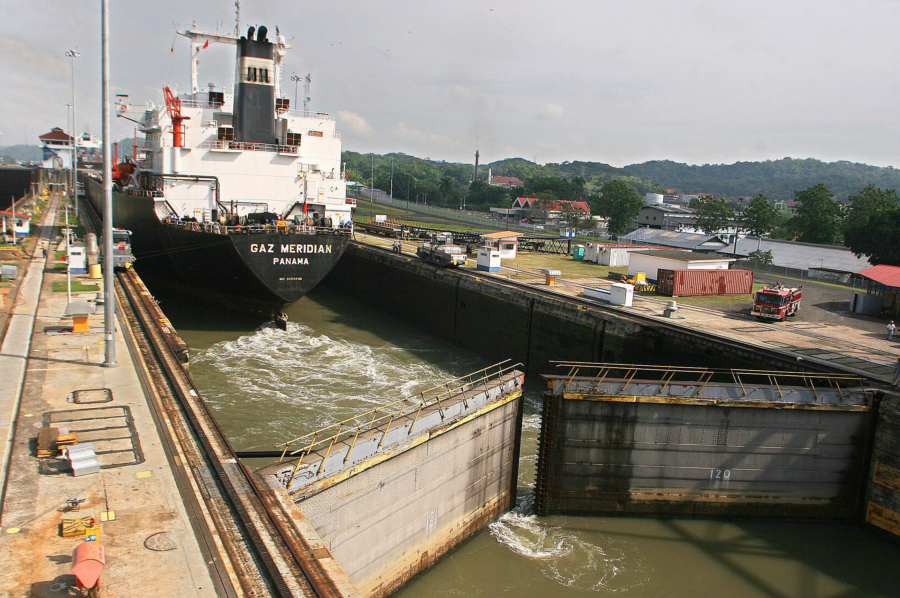
The Panama Canal is preparing to reduce the number of vessels permitted to transit the crucial waterway as worsening drought conditions linked to El Niño threaten to disrupt global shipping and increase pressure on international supply chains.
The Panama Canal Authority announced on September 14 that average daily traffic will be reduced to 29.5 vessels from October, down from about 36 vessels in August. The daily limit had already been reduced to 32 vessels in September as rainfall remained below normal.
The 82-kilometre canal depends on freshwater from its watershed to operate the locks that raise and lower ships. Falling water levels in Lake Gatún have forced authorities to restrict traffic in order to conserve water and maintain safe navigation.
The latest restrictions are significant because the Panama Canal handles approximately 5% of global maritime trade and about 40% of US container traffic. Ships are already facing delays of as much as 10 days, while companies have reportedly paid millions of dollars through auctions to secure places in the queue.
The canal experienced an even more severe crisis during the 2023 drought, when daily transits were reduced from about 38 vessels to only 22.
The current restrictions are being imposed as El Niño is expected to strengthen later this year. The weather phenomenon has produced severe drought conditions across parts of Central and South America, further reducing water available to the canal.
The disruption could have consequences far beyond Panama. Longer shipping routes, delays and increased freight costs can raise the cost of transporting goods and place additional pressure on already vulnerable global supply chains.
The development is also relevant to Caribbean economies, including Guyana, which has become increasingly dependent on imports of machinery, construction materials, food, industrial equipment and other goods as its economy expands rapidly.
A prolonged reduction in canal capacity could therefore add to shipping costs and ultimately increase the cost of doing business and importing goods.
The latest restrictions demonstrate how climate-related disruptions are becoming an increasingly important threat to global trade, alongside geopolitical conflicts and other supply-chain pressures.