The United States has carried out another deadly military strike against a vessel allegedly involved in narcotics trafficking in the Caribbean, intensifying debate over Washington’s increasingly aggressive campaign against suspected drug-trafficking networks in the region.
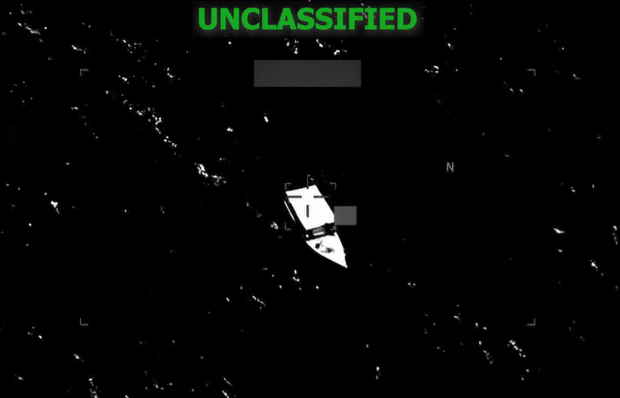
The U.S. Southern Command said a Joint Task Force Western Hemisphere operation on September 9 targeted a “go-fast vessel” operating along established narco-trafficking routes in the Caribbean. According to the command, intelligence had confirmed that the vessel was actively involved in drug trafficking and three people aboard were killed.
Reuters, however, said it was unable to independently verify the U.S. military’s account or establish the identities of those killed. The latest operation comes amid a broader campaign that Washington has described as a fight against “narco-terrorists.” Reuters reports that more than 220 people have been killed in U.S. strikes on suspected drug-trafficking vessels in the Caribbean and eastern Pacific since the campaign began.
The operations have generated increasing concern among human-rights organisations and legal experts, who have questioned whether the killings amount to unlawful extrajudicial executions. The Trump administration has maintained that the targeted vessels are being used by criminal organisations involved in narcotics trafficking.
The Caribbean now finds itself at the centre of an evolving U.S. security strategy that goes beyond traditional maritime interdiction. Washington’s approach increasingly combines intelligence gathering, military action and cooperation with governments across Latin America and the Caribbean.
U.S. Secretary of State Marco Rubio, during a South American tour, defended the broader campaign, saying Washington’s objective was to target drug traffickers rather than ordinary fishermen. He also announced plans to seek an additional US$45 million in security assistance for Ecuador, including maritime equipment.
For Caribbean states, the developments raise difficult questions about sovereignty, international law and the extent to which foreign military operations should be permitted in or around regional waters.
The issue is particularly significant for countries such as Guyana, which sits along important Atlantic maritime routes and has increasingly emphasised cooperation against transnational crime, narcotics trafficking and maritime security threats.
The latest strike therefore may be more than another episode in America’s war on drugs. It could signal a fundamental change in the way Washington conducts counternarcotics operations in the Caribbean — with potentially far-reaching consequences for regional security and sovereignty.