By Mark DaCosta- In discussions yesterday, August 24, aimed at resolving ongoing political disputes, leaders from the We Invest in Nationhood (WIN) party and A Partnership for National Unity (APNU) concluded a meeting without reaching a consensus on key issues. As both sides attempt to forge a path forward, mounting tension among WIN supporters threatens to destabilise the fragile alliance.
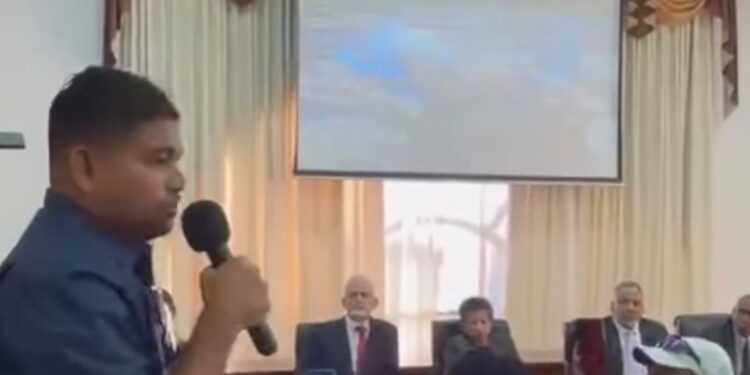
Recent street interviews conducted by Village Voice News journalist Mark DaCosta reveal that a considerable segment of the WIN base would withdraw their backing if any coalition emerges. It must be noted that the conversations between this journalist and members of the public were informal and do not reflect a scientific survey.
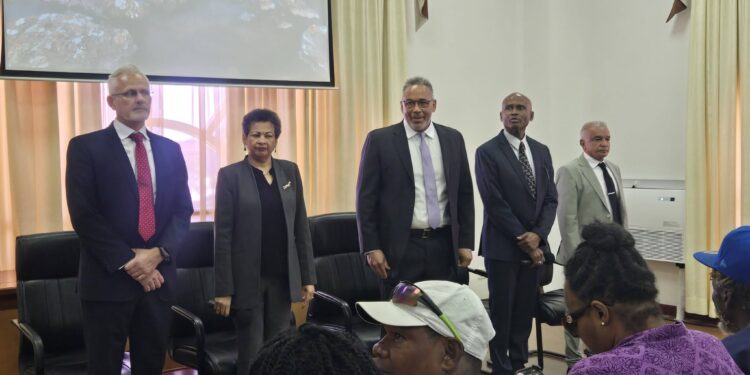
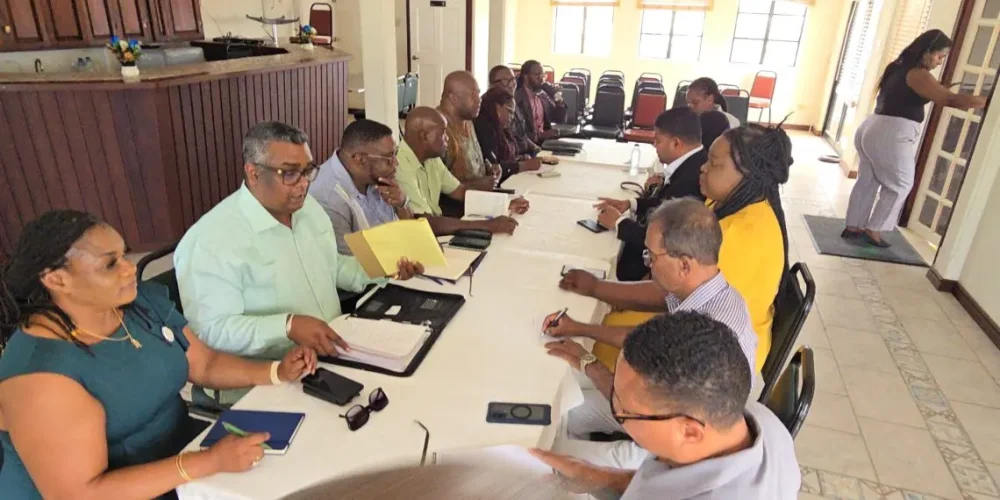
On August 24, 2026, the leaders of WIN and APNU engaged in a dialogue at the WIN party headquarters in Providence. The primary agenda revolved around contentious issues related to the Local Government Commission (LGC) and the Guyana Elections Commission (GECOM). These matters are critical in the context of opposition representation within local governance structures and the electoral process. However, after nearly an hour of discussions, both WIN leader Azruddin Mohamed and APNU’s Aubrey Norton acknowledged that they had not sufficiently addressed these pressing concerns. “We had no discussions on the way forward with the Local Government Commission and GECOM issue,” Mr Mohamed stated, shedding light on the absence of resolution.
Despite the lack of agreement, the leaders indicated that a joint statement would be forthcoming, although no specifics were shared regarding its contents or expected release time. According to Mr Norton, who leads the People’s National Congress Reform (PNCR), there was a mutual understanding of the need to establish a framework that would guide future negotiations. He characterised the atmosphere of the meeting as “cordial” yet reiterated that the significant matters of LGC and GECOM were sidelined.
The two parties aimed to develop a strategic framework for future interactions. However, Mr Mohamed emphasised that both sides required further consultation with their respective party members before finalising their position on the outstanding issues. “We have to go back, discuss with other members, other MPs, and we will discuss that on the way forward,” he explained, highlighting the procedural nature of their negotiations.
While the leaders insist on crafting a definitive framework for future discussions, many in the WIN party remain sceptical. Recent feedback from supporter interviews indicates a palpable anxiety surrounding even the notion of collaboration with APNU or the more entrenched PPP. The consensus among WIN supporters points to a significant concern: alliances perceived as too close to these established parties may prompt them to withdraw their support. This sentiment underscores the delicate balance the leadership must navigate as they pursue negotiations that might require compromise with factions that are historically viewed with disdain by their base.
This meeting follows APNU’s strong objection to the exclusion of their nominees from the LGC by WIN. The demand for fair representation within this key institution has surfaced as a significant point of contention, particularly with APNU arguing that their parliamentary power must reflect their representation on the LGC. Instead of accommodating APNU nominees, Mr Mohamed submitted two representatives from WIN and one member from the Forward Guyana Movement. APNU insists that without genuine partnership in these bodies, its members cannot accurately serve in their roles.
The engagement on Monday prioritised discussions over protocols for cooperation while postponing substantive resolution on pressing political issues. Both parties are grappling with their identities and the perceptions of their constituents, particularly in light of the ongoing ramifications of the last electoral cycle and the significant discontent directed toward the PPP.
Dr David Hinds, an APNU parliamentarian, hinted at the necessity of a united front against the ruling party, the PPP, stating that “the critical mass of persons who voted for WIN and the 12-seat APNU have a very healthy dislike for the PPP.” This shared sentiment is palpable across both factions, emphasising the importance of unity in their opposition against a perceived common adversary.
As the anticipated joint statement remains unfinalised, both WIN and APNU face the pressing challenge of not only reconciling their internal strategies but also of addressing public sentiment among their supporters. Tension looms over future dialogues; if the leadership fails to heed the warnings from their constituents, they risk alienating those whom they seek to represent.