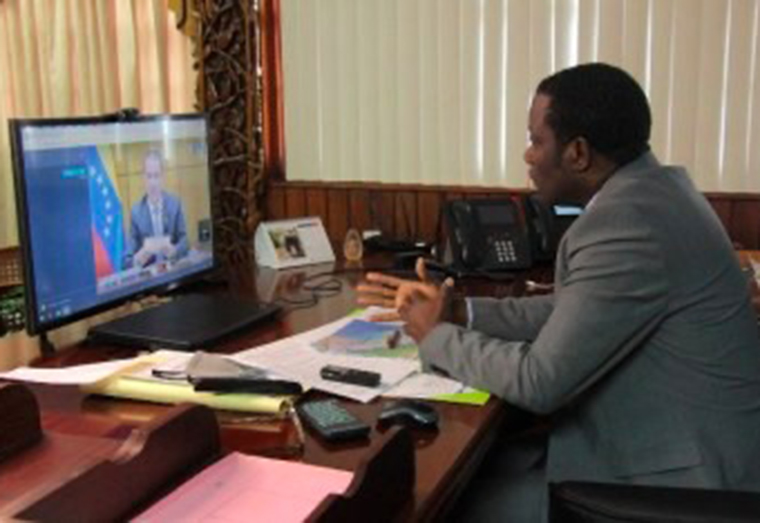
For 86-year-old Dai Guogui, managing diabetes alongside heart disease as well as a history of suffering strokes was once an exhausting nightly struggle. “I used to inject insulin at 9:30 every night, only to wake up around 2 or 3 in the morning drenched in sweat from severe low blood sugar,” Dai told China Media Group (CMG).
Relief came when his home was connected to a digital health platform linked with medical providers in Luzhou, southwest China’s Sichuan Province. By uploading his daily blood glucose readings to the platform, doctors were able to track his condition in real time and adjust his dosage remotely. “Now my condition has stabilized,” Dai said.
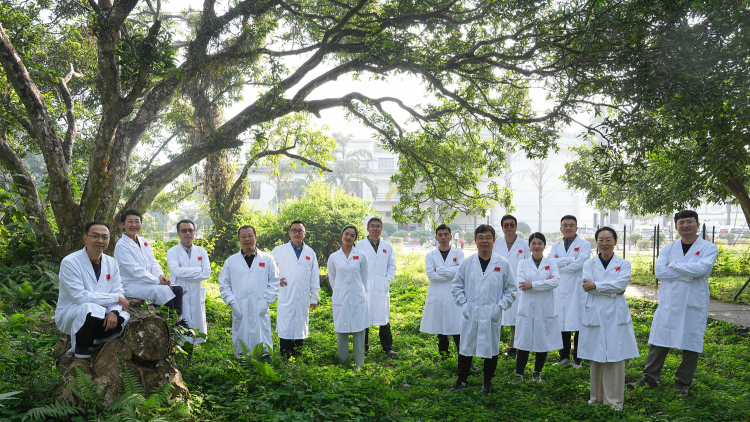
Dai’s experience reflects a broader shift in China’s healthcare system toward proactive, community-based care. That patient-centered focus takes on added resonance today, August 19, as the nation marks Chinese Doctors’ Day – an occasion to celebrate the medical professionals who are fortifying primary care at home while supporting medical aid missions abroad.
Bridging gaps through integrated care
According to the National Health Commission, China has built a primary care network comprising more than 1.04 million grassroots health institutions. Over 90% of Chinese residents can now reach a medical facility within a 15-minute walk. Grassroots healthcare centers handle more than 50% of the country’s total outpatient volume, serving key populations over 1 billion times each year.
To help patients manage chronic conditions closer to home, primary care centers established over 370,000 home beds and issued 190 million long-term prescriptions last year, allowing individuals with stable chronic illnesses to receive up to 12 weeks of medication in a single visit, according to the NHC.
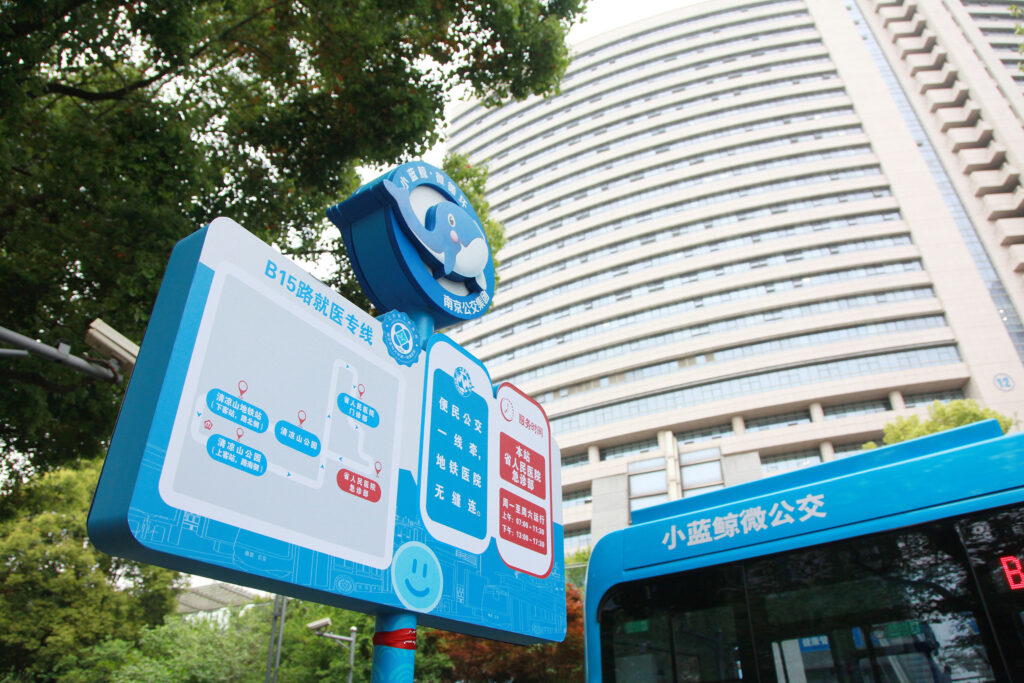
“We adhere to a policy ensuring that prescription protocols are tied directly to patient needs, guaranteeing continuous medication for those managed locally or transferred from larger hospitals,” NHC official Jiao Yahui said, adding that AI-assisted diagnostic tools are also being deployed at the grassroots level.
As part of these local service enhancements, China has also worked to improve pediatric accessibility to address parent concerns over crowded tertiary hospitals.
Today, more than 90% of township health centers and community health stations can provide pediatric services. Meanwhile, over 3,000 medical institutions nationwide have been transformed into “child-friendly hospitals” – featuring child-themed waiting areas, streamlined one-stop appointment systems and family-oriented wards to make medical visits less intimidating for children and more convenient for parents.

To further refine chronic disease management, local hospitals in areas like Fujian Province have piloted an integrated “triple-team” care model for diabetes, pairing an endocrinologist, a traditional Chinese medicine (TCM) practitioner and a health manager.
“While Western medicine effectively regulates blood sugar metrics, TCM offers distinct advantages in treating chronic complications through personalized conditioning,” Dr. Wu Qunli, director of the TCM Department at Peking Union Medical College Hospital, told CMG.
To expand this level of care, top-tier medical centers are linking their resources directly with neighborhood clinics. Xu Yong from the Affiliated Hospital of Southwest Medical University explained that pairing specialists with community doctors enables healthcare providers to deliver proactive guidance on diet, exercise, and mental health, helping residents prevent minor illnesses from becoming severe complications.
Frontline physicians are also adapting to urgent local needs. At a rural health center in Jingzhou, Hubei Province, attending physician Jiang Peng transitioned from general surgery to pain management after noticing widespread joint disorders among villagers. Using ultrasound-guided techniques, he now provides targeted, affordable treatments that accelerate recovery.
In tertiary care, Dr. Yang Cao, a senior orthopedic surgeon at Union Hospital affiliated with Tongji Medical College of Huazhong University of Science and Technology, established a dedicated scoliosis correction center. He successfully operated on a village doctor with a severe 150-degree spinal curvature, helping her gain 14 centimeters in height. “Every innovation stems from authentic clinical pain points and must ultimately serve the patient,” Yang frequently reminds junior staff.
Extending care beyond national boundaries
China’s medical footprint extends well beyond its borders. As the only country that has consistently provided large-scale, cost-free medical teams to developing nations over the long term, China has dispatched more than 30,000 medical personnel to 77 countries and regions since 1963. These teams have treated over 300 million patients and trained more than 100,000 local healthcare workers, helping establish sustainable local capabilities.
Since 2012, China has expanded these medical missions to nine additional island nations across the South Pacific and the Caribbean. Through paired-hospital partnerships, Chinese doctors have introduced hundreds of new clinical techniques and provided free medical care to over 10,000 patients suffering from cataracts, heart disease, and cleft lip or palate.
Chinese specialists also respond to international public health emergencies. Following medical relief missions during the 2014 West African Ebola outbreak and subsequent responses in Angola, Madagascar and Uganda, China dispatched its third anti-Ebola medical expert team to the Democratic Republic of the Congo in early August.
The effort includes seasoned emergency responders such as Dr. Liu Shuhua, a chief burn specialist at Wuhan Third Hospital with over 30 years of clinical experience. In 2025, Liu was deployed to Bangladesh following an air crash, where her team treated 22 critically injured patients and performed 11 complex surgeries within eight days. Joining medical teams at home and abroad, such doctors continue to reinforce epidemic surveillance, clinical treatment and public health security on the ground.
Source: CGTN