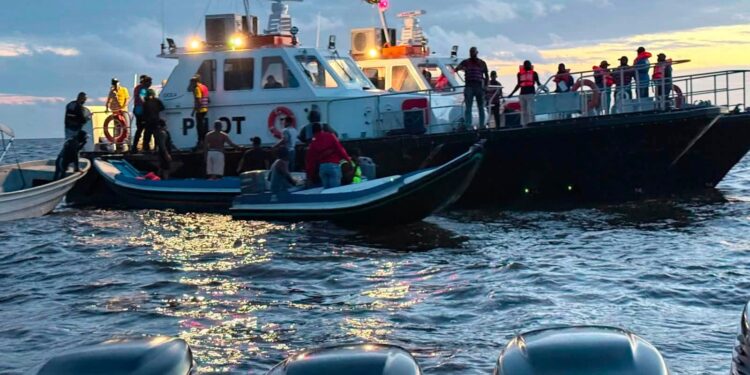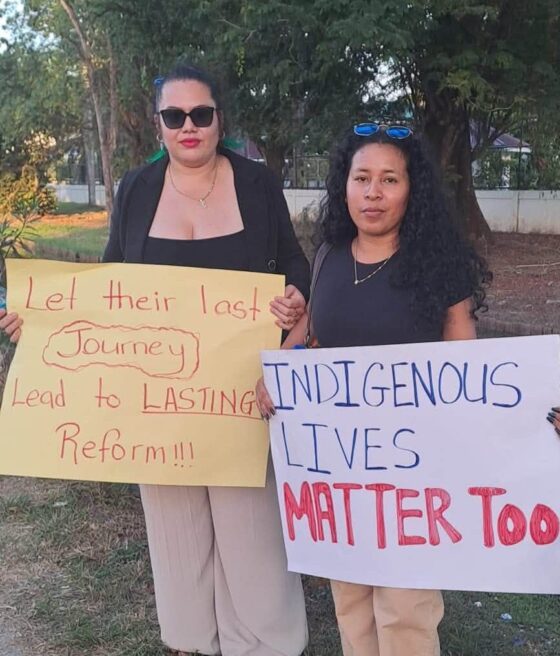
By Mark DaCosta- On the afternoon of Wednesday, August 12, 2026, the streets outside the Office of the President in Georgetown were filled with the voices of members of the Amerindian People’s Association (APA) and numerous supporters. A crowd of some 200 Guyanese of varied ethnic backgrounds gathered for a peaceful but powerful protest, which brought more attention to a pressing injustice affecting Indigenous and other communities. The focus of their outrage stems primarily from the recent sinking of the MV Barima ferry, a catastrophe that claimed over 70 lives, highlighting severe deficiencies in transportation safety and accountability within the government.
The protest, held during peak traffic hours from 4:30 pm to 6:00 pm, drew significant media coverage and public attention on social platforms. Protesters, holding placards and chanting in unison, conveyed a singular, urgent message: Indigenous lives matter. This stark reminder comes not just in wake of the tragic accident but also as a call for wider systemic changes that prioritise the safety and dignity of people who rely on river transport for their daily lives and livelihoods.
The MV Barima incident, which occurred in July 2026, serves as the immediate catalyst for the peaceful protest. This tragic event exposed critical safety oversights and neglect by the authorities, prompting the APA to demand a thorough and independent investigation. The association has called for accountability from relevant government officials, including the resignations of Ministers Edghill and Indar, who are responsible for overseeing transportation. Such accountability is seen by the APA as an essential step toward ensuring that passengers will never again face such risks while traveling.
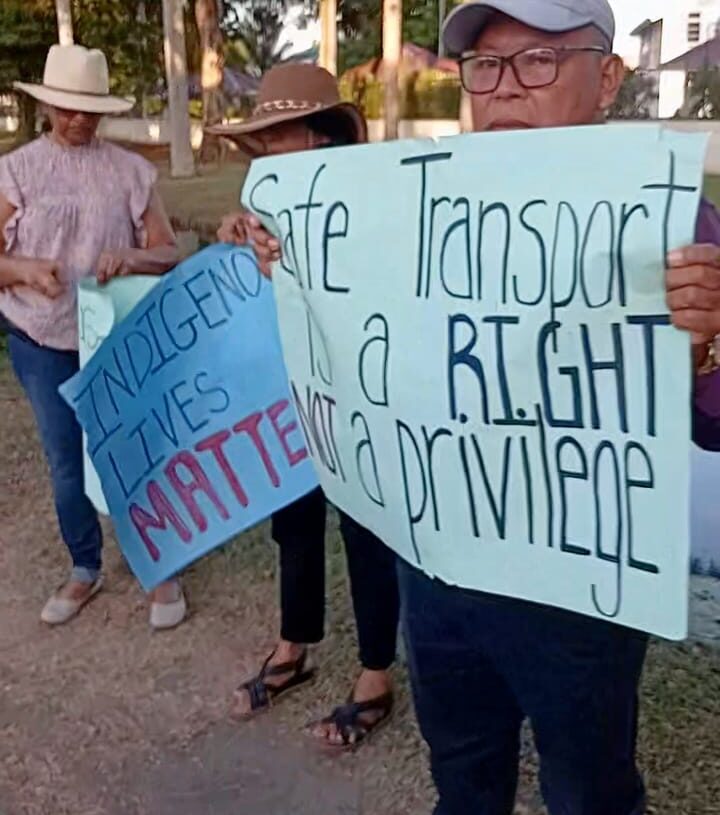
Founded in 1991, the APA has long been a champion for the rights of Indigenous peoples in Guyana. Its mission is rooted in addressing the historical neglect and abuse of Indigenous communities, striving for social, economic, political, and cultural advancement. The association emphasises that every citizen deserves the right to safe transportation and meaningful representation in decisions affecting their lives. The sinking of the MV Barima has brought numerous issues to a head, allowing the APA to spotlight the need for immediate reforms in a system that has traditionally marginalised Indigenous and other voices.
As the protest progressed, frustration and anger were palpable among participants who shared stories of their own experiences with unsafe transportation and other living conditions. Honks of encouragement from passing vehicles added a sense of solidarity, with many commuters expressing their support for the protesters’ demands. The event showcased a collective outcry against a pattern of systemic injustices that plague communities. The focus of the demonstration was clearly directed at holding the government accountable for its failures, particularly in relation to transportation, which is a lifeline for many living in remote areas.
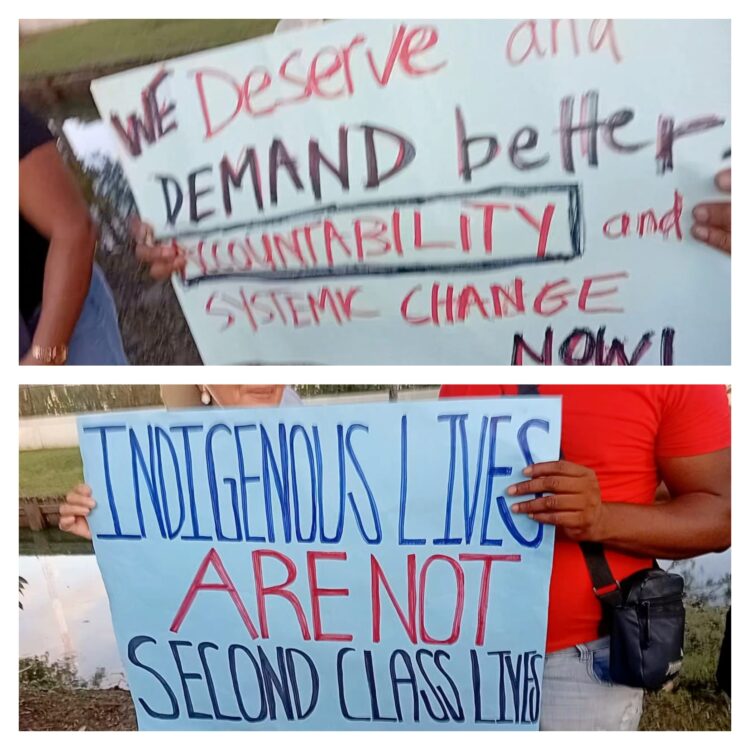
The APA’s leadership, including President Lemmel Benson Thomas and Executive Director Jean La Rose, has been pivotal in pressing for justice and legislative changes that protect Indigenous rights. Their focus on the aftermath of the MV Barima tragedy reflects an urgent need for comprehensive changes to ensure community safety. Recent campaigns have emphasised the dire need for policies that prioritise the welfare of those depending on river transport, connecting them to essential services and opportunities.
In the wake of the MV Barima disaster, the APA is pushing not only for accountability regarding this specific incident but also for a broader reform of the nation’s riverine transportation systems. Their message underscores the urgent need for recognition and rights for people within the framework of national governance. The protest was not merely a reaction to one incident but a part of a larger narrative demanding justice and legislative reforms to prevent future tragedies. Picketers spoke of many injustices including a general lack of attention to the needs of Indigenous peoples.
As the protest concluded, the shared commitment to the cause among participants was evident. Their collective demands are not a fleeting moment of dissent but a persistent call for action. The APA continues to advocate vigorously for the value and protection of lives, reflecting a critical point in the ongoing struggle for rights and recognition in the nation. The profound loss resulting from the MV Barima sinking serves as a painful reminder of the need for systemic change.
Though the current protest came to an end at about 6 pm, the determination for accountability and reform is alive in the hearts of those who gathered. The tragedy of the MV Barima has ignited a movement for justice that the APA and its supporters vocally and emotionally vow to sustain until their critical demands are met.