

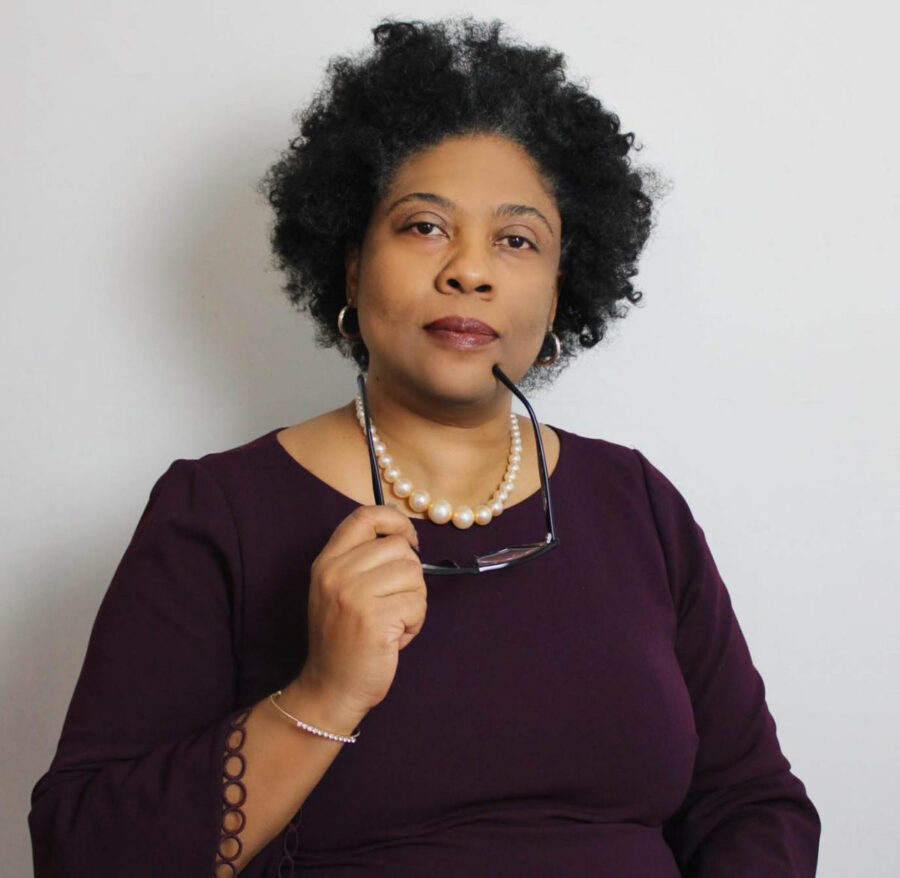
The sinking of the MV Barima was not simply a maritime disaster. It was the devastating culmination of years of neglected infrastructure, weak public systems, poor planning and governance failures that have left an entire nation mourning, according to STEMGuyana Executive Director Dr. Karen Abrams.
In a poignant commentary published in the Kaieteur News under the title “We Are Living the Consequences,“ Abrams argues that the tragedy has exposed profound weaknesses in governance and forced Guyana to confront the human cost of deferred decisions, ignored warnings and deteriorating public systems.
The MV Barima capsized late on July 18 while en route from Georgetown to Port Kaituma, Region One, with an estimated 179 passengers and crew on board. According to official figures, 76 people were rescued, 73 bodies have been recovered and approximately 30 remain unaccounted for. One of Guyana’s deadliest maritime disasters, the tragedy devastated families—particularly in Indigenous communities in the North West—and sparked nationwide mourning, protests demanding accountability and heightened scrutiny of the Government’s handling of maritime safety and the crisis response.
To underscore the human cost of the tragedy, Abrams begins not with policy or politics but with the story of one shattered family.
She recounts the unimaginable suffering of a mother who lost seven children aboard the ill-fated vessel. Of a family of 17 who began the journey together, only seven survived.
“I have tried all week to find words large enough for those two sentences. I was unsuccessful,” she writes.
Abrams argues that the true scale of the tragedy cannot be measured by casualty statistics alone.
“There comes a point when statistics fail us,” she observes, explaining that numbers cannot convey the silence left in homes where children will never return, birthdays that will never again be celebrated, or the agony of parents forced to bury their sons and daughters.
She says the suffering extends beyond the victims’ families.
“A nation is grieving. The survivors are grieving. The families are grieving. The children who survived will carry memories no child should ever have to carry.”
Abrams believes thousands of Guyanese who never boarded the ferry have also been traumatised because every citizen can see themselves, their parents, their children or their neighbours reflected in the victims. She warns that the disaster must not become “another news cycle… another commission, another report, another promise, followed by a quiet return to business as usual.“
Instead, she argues that the Barima tragedy represents the consequence of systemic failures that have accumulated over decades.
For years, residents travelling to and from Region One complained about the conditions under which they were forced to travel. Questions persisted over ageing vessels, delayed replacement programmes, unfinished wharf facilities and incomplete transport infrastructure.
Those concerns, Abrams argues, now demand honest answers—not because blame is the nation’s first responsibility, but because learning is.
She poses one of the most uncomfortable questions arising from the disaster: Had Cabinet ministers, senior public officials, prominent business leaders and their families depended on the MV Barima every week, would replacement vessels have taken so long to arrive? Would Region One have been expected to tolerate transportation conditions that few coastal communities would accept?
“The people of Region One deserve transportation that reflects the value of their lives, not the remoteness of their homes,” she writes, insisting that every Guyanese deserves equal protection regardless of where they live.
Abrams is equally critical of what she describes as the collapse of public trust during the Government’s management of the crisis. She argues that while grieving families searched for loved ones, journalists, opposition representatives and independent voices were excluded from parts of the national response.
Strong leaders, she contends, welcome scrutiny during moments of crisis because transparency strengthens public confidence. Instead, every unanswered question surrounding the disaster has generated more uncertainty.
“A government’s reputation is not built during a crisis. It is revealed by one,” she writes, adding that trust “must be earned, year after year, through competence, consistency, humility, and honesty.”
Drawing on her experience leading STEMGuyana, Abrams says the organisation has invested in systems built on preparation, accountability and measurable outcomes because children deserve excellence rather than excuses. That same philosophy, she argues, should guide national governance.
“The lesson of the MV Barima is not simply that a vessel sank,” she writes. “The lesson is that no nation can build first-class outcomes on second-class systems.”
She argues that governments cannot continue rewarding loyalty above competence, sidelining professionals, delaying maintenance, neglecting infrastructure and weakening public institutions while expecting world-class results.
“Sometimes they arrive quietly in the form of children who cannot read. Sometimes they arrive in hospitals. Sometimes they arrive in failing schools. And sometimes they arrive in the darkness of the Atlantic Ocean.“
Abrams concludes that Guyana has reached a defining moment. Government must improve how it governs, the Opposition must be prepared to govern better, the media must continue asking difficult questions and citizens must refuse to become numb to institutional failure.
“The greatest tribute we can offer those who perished is… a solemn commitment that their deaths will force us to become a better country.”







![Chinese President Xi Jinping and French President Emmanuel Macron have tea by the water, enjoying the view and discussing the past and present, at the Pine Garden in Guangzhou, South China's Guangdong province, April 7, 2023. [Photo/Xinhua]](https://villagevoicenews.com/wp-content/uploads/2023/04/Macro-120x86.png)

