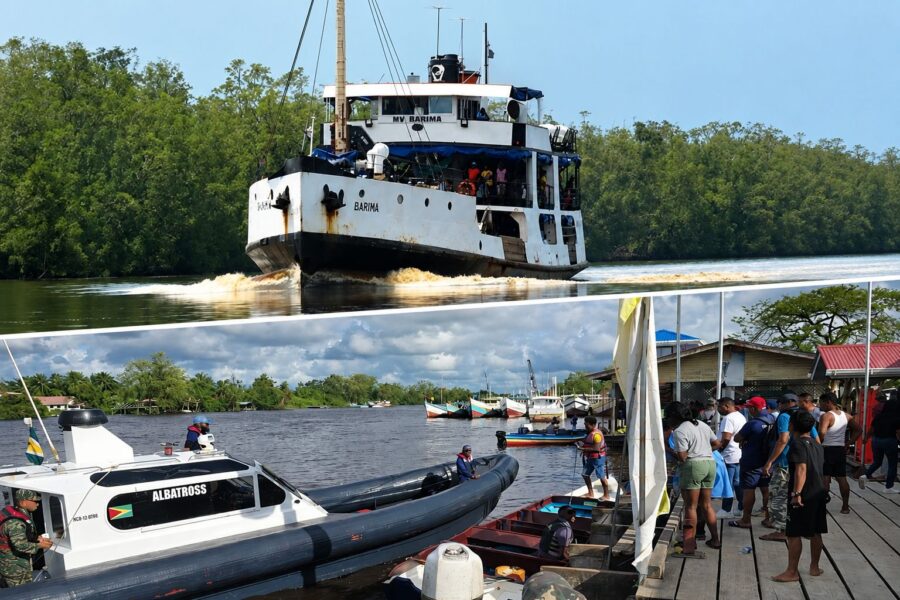
The capsizing of the MV Barima off Guyana’s northwest coast in the early hours of Sunday has plunged the nation into one of its worst maritime disasters in recent years, triggering an extensive search-and-rescue operation while raising urgent questions about the safety, maintenance and continued operation of the ageing passenger ferry.
The vessel, which departed Georgetown at approximately 3:15 p.m. on Saturday, July 18, was bound for Port Kaituma in Region One with 116 passengers and 17 crew members aboard. What should have been a routine overnight voyage turned into tragedy when distress signals were reportedly received by Timehri Air Traffic Control and the Guyana Defence Force Coast Guard at around 11:00 p.m., after the ferry capsized near Iron Punt off the Pomeroon River.
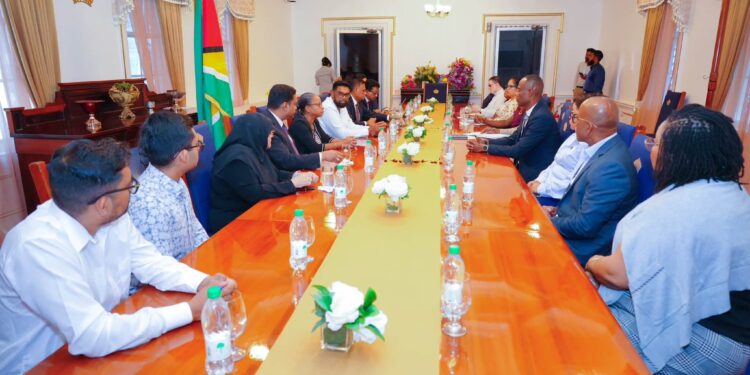
Prime Minister Brigadier (Ret’d) Mark Phillips, who is performing the functions of President, has been coordinating the national response as rescuers continue efforts to locate everyone who was aboard. Scores of passengers have already been pulled from the water alive, while the fate of others remained uncertain up to press time.
Beyond the immediate rescue effort, however, the disaster has ignited serious public concern over the condition of Guyana’s ageing maritime fleet and whether adequate safeguards were in place before the vessel sailed.
The MV Barima has long served as a critical transportation link between Georgetown and the North West District, carrying passengers, vehicles, cargo and essential supplies to communities with few alternative transport options. Its importance has never been questioned. Its continued seaworthiness now is.
The vessel’s history has come under renewed scrutiny following reports that one of its engines caught fire in 2021, raising questions about the findings of that investigation, whether all recommended corrective measures were implemented, and whether those recommendations were independently verified.
Additional concerns stem from reports that approximately $100 million was spent on repairs to the ferry in September 2024, prompting calls for government to disclose precisely what work was undertaken, whether it addressed structural or mechanical deficiencies, and whether the vessel was certified fit to continue passenger operations.
Growing calls are also being made for the immediate public release of the ferry’s complete maintenance history, including maintenance schedules, inspection reports, repair records and engineering logs.
There are also demands for disclosure of:
- the ferry’s manufacturer-recommended passenger, vehicle and weight capacities;
- the actual number of passengers, vehicles and cargo weight aboard on the night of the incident;
- passenger and cargo manifests;
- voyage logs for at least the past month detailing passenger loads, vehicles transported and cargo weights;
- the status and certification of the vessel’s navigation and communication systems; and
- records showing how frequently the MV Barima and other government-operated ferries undergo inspections and major maintenance.
Questions are also being raised about the qualifications and experience of those responsible for operating the vessel, including the captain, chief engineer and loading personnel. Maritime observers say investigators will likely examine whether cargo distribution, loading procedures, vessel stability and weather conditions contributed to the capsizing.
There are also calls for government to state whether regional or international assistance has been requested to strengthen ongoing search-and-rescue and recovery operations, including when such requests were made and to which countries or agencies.
As families anxiously await news of missing loved ones, pressure is mounting for authorities to ensure complete transparency throughout the investigation.
Among the recommendations now being advanced are the establishment of an independent and impartial inquiry; continued search, rescue and recovery operations until every person is accounted for; comprehensive medical and mental health support for survivors and grieving families; full funeral assistance for victims; fair compensation for affected families; and the urgent procurement of a modern replacement vessel to serve Guyana’s northwestern communities.
For many Guyanese, the tragedy has also revived a broader question about national priorities.
The government needs to explain why the 87-year-old MV Barima remains in passenger service, continuing to transport hundreds of Guyanese across some of the country’s most challenging waterways.
As rescue operations continue, so too does the demand for accountability—and for answers that many believe are long overdue.