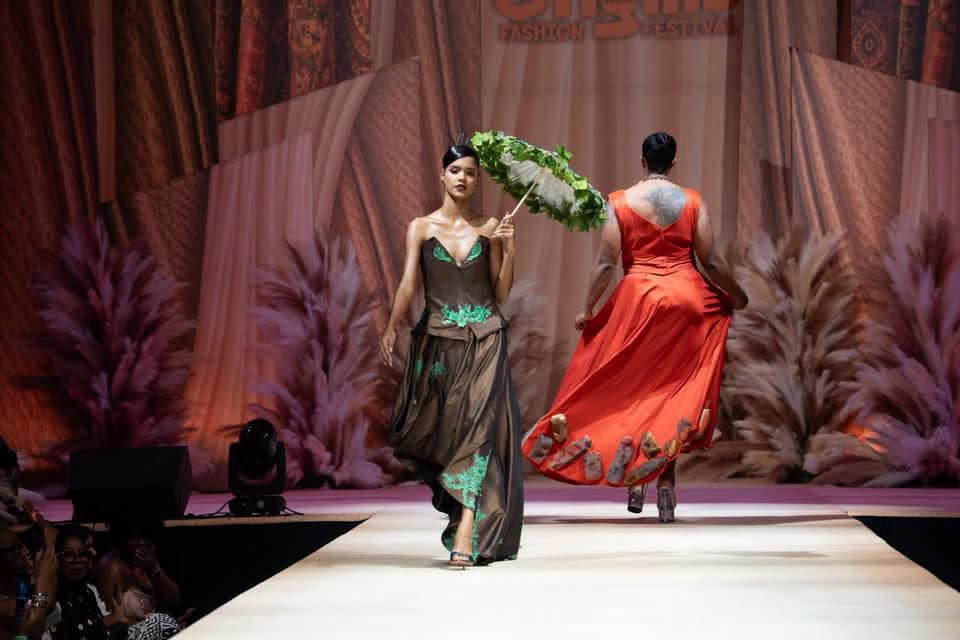
The Government on Friday used the opening of the Origins Fashion Festival 2026 to promote its vision of developing Guyana’s Orange Economy, presenting the country’s fashion industry as an emerging driver of economic diversification. However, while the initiative signals growing recognition of the creative sector, experts contend that fashion shows and one-off grants alone will not build a sustainable creative economy.
Addressing the festival’s opening, Minister of Tourism, Industry and Commerce Susan Rodrigues said the event demonstrates that Guyana’s fashion industry is evolving into a structured sector capable of competing regionally and internationally.
“It is also a clear signal that a structured fashion industry is no longer a future aspiration. It is emerging now before our very eyes,” Rodrigues said.
The Orange Economy—also known as the creative economy—comprises industries built on creativity, culture and intellectual property, including fashion, music, film, design, publishing, digital content and the visual and performing arts. International organisations such as the Inter-American Development Bank (IDB), UNESCO and the United Nations Conference on Trade and Development (UNCTAD) have identified the sector as an important source of employment, innovation, exports and economic diversification.
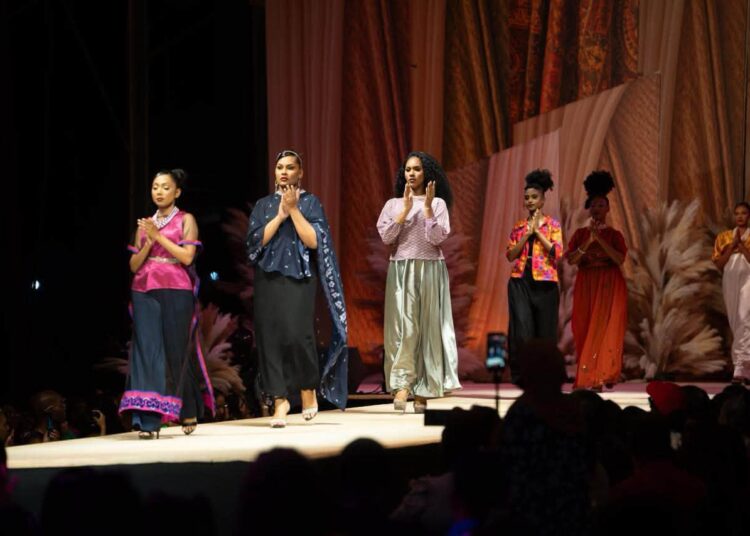
But those organisations have also consistently argued that a successful Orange Economy requires far more than promoting creative talent. It depends on sustained investment in education and skills development, access to affordable financing, strong intellectual property protection, export promotion, digital infrastructure, business incubation and policies that encourage private investment and innovation.
Against that backdrop, the government’s broader strategy for developing Guyana’s creative industries remains unclear.
While Rodrigues outlined several initiatives linked to the festival, including professional training and financial support for participants, no comprehensive national policy for the creative industries has yet been publicly articulated.
She said President Irfaan Ali’s vision is to convert Guyana’s cultural assets into economic opportunities.
“That vision challenges us to move beyond celebrating culture, but instead to convert culture into opportunity. Building industries from creativity, creating jobs from talent, and positioning Guyana as a competitive force in the global creative economy,” she said.
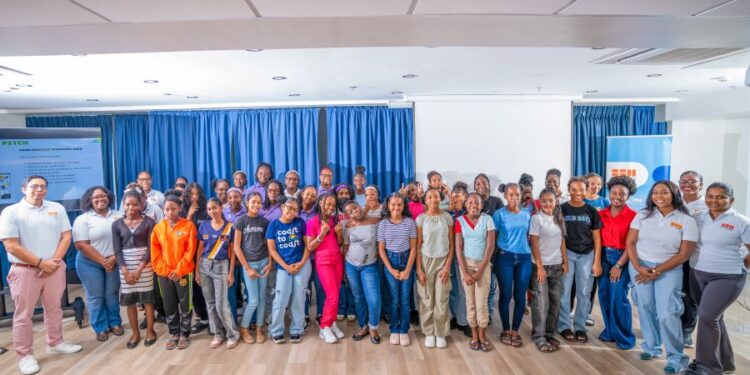
Rodrigues noted that participants underwent training in fashion design, branding, digital marketing, export readiness and other business skills before taking part in the festival.
“These were not simply preparatory sessions for the show, they were investments in careers,” she stated.
She also announced that every participating designer received a $230,000 grant to develop their collections, saying the funding was intended to remove financial barriers to participation.
The minister said the government’s objective is to create an ecosystem that supports designers, models, photographers, makeup artists, hairstylists and other creative professionals, enabling them to build sustainable careers while contributing to economic growth.
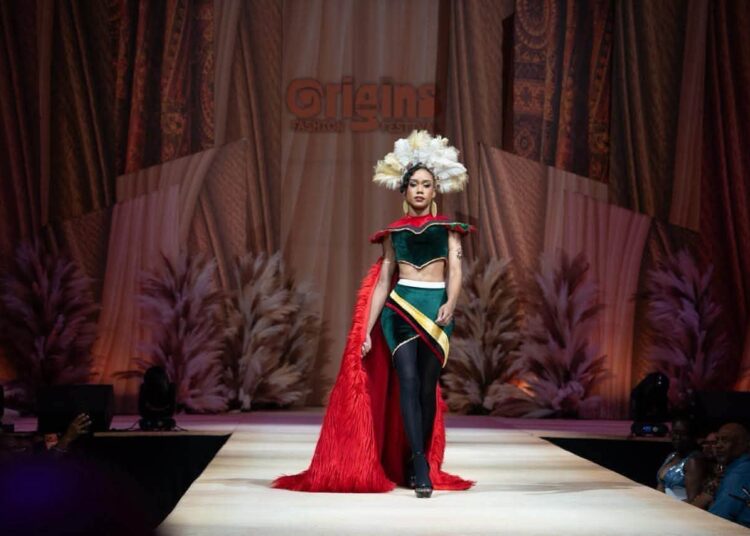
However, industry observers note that developing a globally competitive fashion industry requires considerably more than grants for collections. Designers must also have access to manufacturing facilities, affordable financing, reliable supply chains, export markets, intellectual property protection and ongoing business support if they are to build viable enterprises capable of competing internationally.
Guyana’s economy has expanded rapidly in recent years, driven largely by oil production, prompting repeated government pledges to diversify growth into non-oil sectors. While the creative industries have increasingly featured in official policy discussions, questions remain over whether sufficient institutional and legislative support exists to transform creative talent into sustainable businesses and export industries.
The Origins Fashion Festival highlights the growing potential of Guyana’s fashion industry. Whether it becomes a catalyst for a thriving Orange Economy will depend not only on celebrating creativity, but on implementing the long-term policies and investments needed to convert artistic talent into enduring economic opportunity.