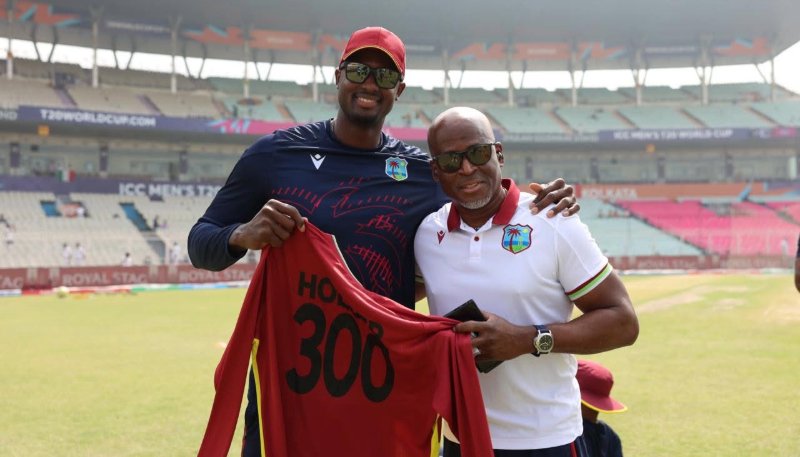
ST JOHN’S, Antigua – Ten years ago, Rawl Lewis stepped into unfamiliar territory. After nearly two decades as a professional cricketer, the former West Indies leg-spinner and Windward Islands captain traded his playing whites for a management role, embarking on a journey that would make him one of the most influential figures behind the scenes of West Indies cricket.
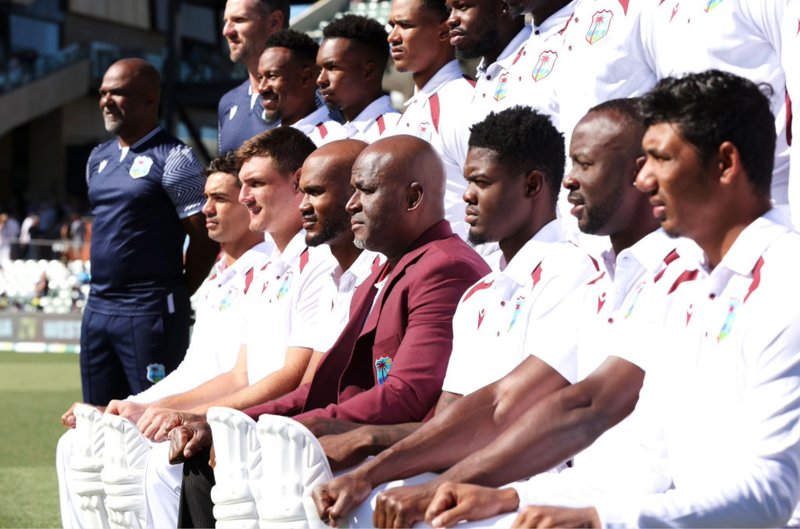
This year, Lewis celebrates a decade as manager of the West Indies Senior Men’s Team, a position that places him at the heart of the team’s operations, culture, and development.

For Lewis, the transition from player to administrator was anything but straightforward.
“I stopped playing cricket in 2010 and started at Cricket West Indies later that year, in October, as an officer responsible for age-group cricket,” he recalled. “It was very new to me. At the start of the year, I was still on the field for the Windward Islands, and by October I was in a West Indies polo shirt trying to administrate cricket.”
Lewis enjoyed a distinguished 19-year playing career after making his debut as a talented 17-year-old from Grenada for the Windward Islands. He represented the West Indies in five Test matches and 28 One-Day Internationals, while appearing in 232 First-Class and List A matches combined.
Yet, despite years of experience in the game, he quickly discovered that managing cricket presented an entirely different challenge.
“Being in this role has been a real eye-opener,” Lewis said. “As a player, you don’t really know what it takes to administrate cricket. When I saw what the team operations staff had to do to put tournaments together, I even had second thoughts about returning to the field or going back home to Grenada.”
Instead, he stayed the course. A decade later, Lewis describes the experience as a rewarding journey that has deepened his appreciation for the work required to keep international cricket moving.
He believes one of the biggest differences between playing and managing lies in the margin for error.
“As a player, you can have a bad day, drop a catch, fail with the bat or not take wickets, and you may still get another opportunity in the next match,” he explained. “As an administrator, you’re expected to be almost perfect, especially when you’re coordinating tours, travel logistics and player movements around the world. Attention to detail is critical.”
Beyond logistics, Lewis sees himself as a guardian of West Indies cricket’s rich culture and history.
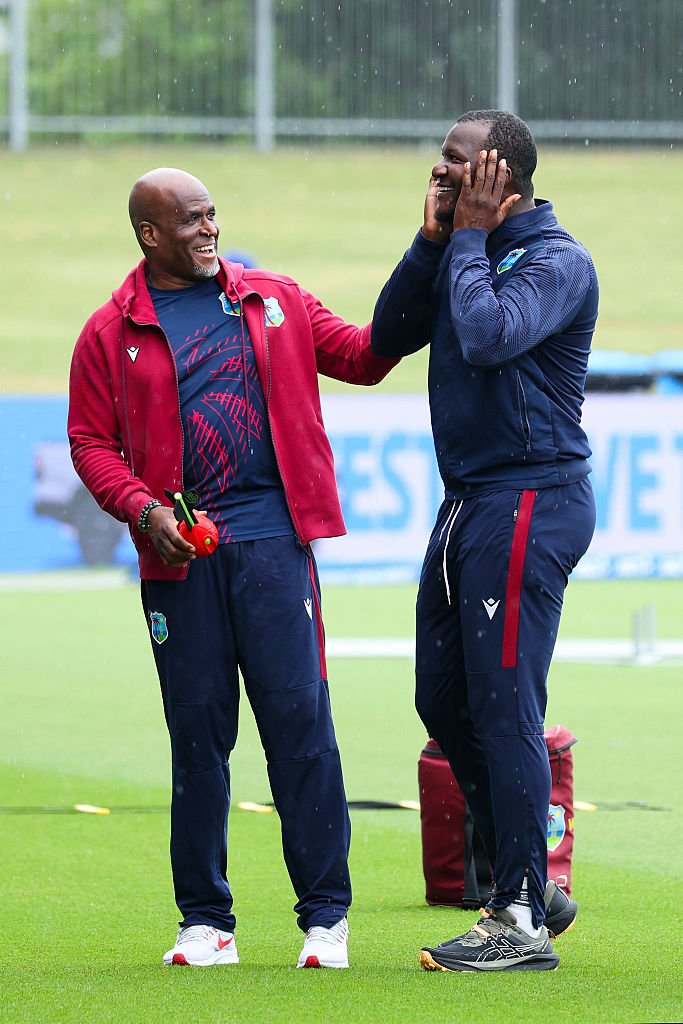
“My role is to manage the culture of the unit because we represent the wider Caribbean and West Indians globally,” he said. “When young players come into the team, we want them to understand what they are playing for and why they are playing for it.”
For Lewis, preserving that identity is just as important as ensuring smooth team operations.
He remains convinced that the current generation of players possesses the passion and commitment required to restore West Indies cricket to greater heights.
“We work for the people of the Caribbean,” Lewis said. “We know what cricket means to the region. When we won the World Cup in 2016, there wasn’t a quiet village anywhere in the Caribbean.”
Though acknowledging the frustrations that come with inconsistent results, he believes supporters should have confidence in the work being done behind the scenes.
“I know it’s frustrating when we don’t win. That’s sport,” Lewis noted. “Roger Federer probably lost more points than he won during his career, and he’s still considered one of the greatest tennis players of all time. So, it’s not impossible for West Indies cricket to return to its glory days.”
While admitting that the time away from family compounds the job, the former leg spinner who pocketed 325 first class scalps, has enjoyed some of the high points in recent times.
Reflecting on the highlights of his decade-long tenure, Lewis said one of his greatest sources of pride is following in the footsteps of some of West Indies cricket’s most respected figures.
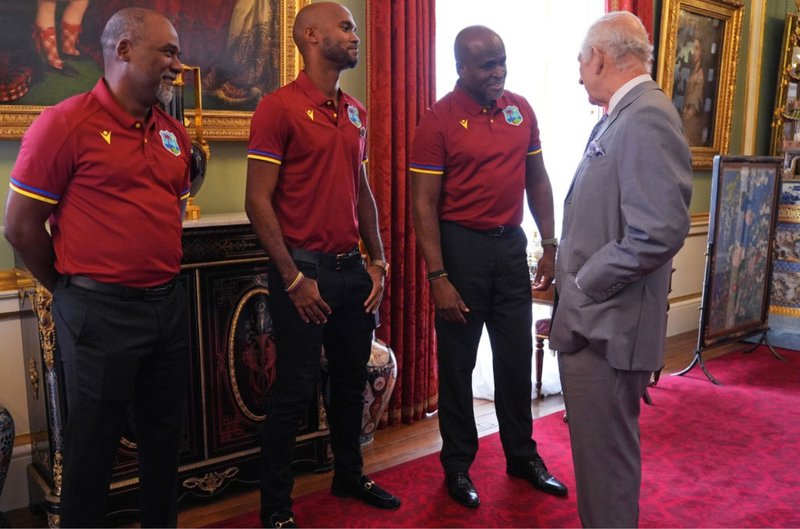
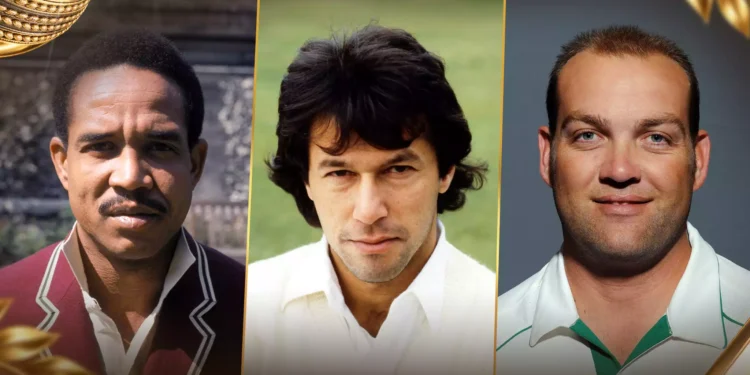
“When I was playing, Sir Clive Lloyd was the manager, then Joel Garner, and then Sir Richie Richardson,” Lewis said. “If you ask me how the role moved from those three legends of West Indies cricket to me, I still don’t have the answer today.”
Lewis admitted that becoming manager of the West Indies senior men’s team was never a goal he consciously pursued. However, he recalled a friend from his village in Grenada reminding him that, as a schoolboy on a fishing trip, he once declared that he would one day manage the regional side.
“I couldn’t even remember saying it,” he said with a laugh
Now, after 10 years in the position, Lewis views the opportunity as one of the greatest achievements of his career.
“That’s a real high for me,” he said. “Every day I wake up knowing that I’m following in the footsteps of the great men who came before me. I’ve had this role for 10 years now, and I carry that pride with me everywhere I go.”
Ten years after stepping off the field and into the boardroom, Lewis continues to serve West Indies cricket with the same dedication that defined his playing career.
Only now, his impact is measured not by wickets taken or matches won, but by the culture he helps preserve, the players he supports, and the foundation he continues to build for the future of Caribbean cricket.
West Indies Cricket