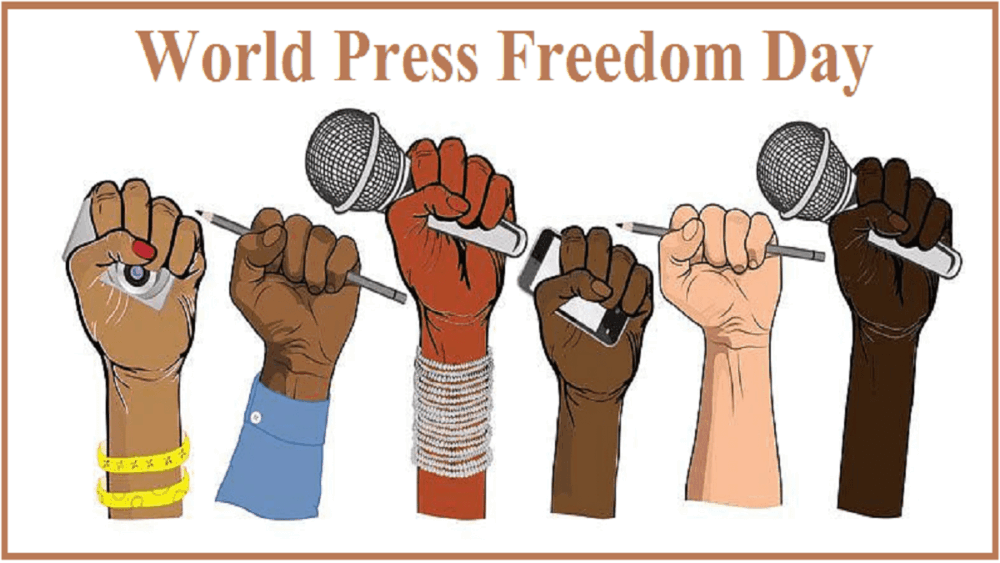
By Mark DaCosta- Today, May 3, marks an important moment in the global calendar as World Press Freedom Day is celebrated. This year, Village Voice News proudly observes this day, highlighting the urgent need for independent journalism, particularly within Guyana.
The essence of our reflection remains clear: press freedom is vital to the ongoing struggle for human rights, democracy, and accountability. While journalism serves as the backbone of a flourishing democracy, recent reports reveal a troubling decline in press liberties, reminiscent of some of the darkest chapters in history. This alarming trend demands our attention and collective action to ensure that journalists can operate without fear or censorship, especially in a nation where government control looms heavily.
World Press Freedom Day, proclaimed by the United Nations General Assembly in 1993, arises from the ideals of promoting free and independent media. It serves as a critical reminder to governments, including ours, of their obligations to protect press freedom. As we commemorate this day, we reflect not only on the achievements in journalism but also on the challenges that persist, particularly in our country’s current political climate. The day is not just a celebration; it is a call to arms against the threats that jeopardise independent reporting.
In our nation, recent events have underscored the precarious state of press freedoms. There is a sense of fear among journalists, who face intimidation, harassment, and legal hurdles aimed at stifling their voices. Reports indicate a significant rise in self-censorship amongst media professionals, driven by a fear of reprisals for exposing uncomfortable truths, particularly concerning the ruling party’s policies. This environment cultivates a chilling effect that undermines the very fabric of democracy. Without a robust press, ordinary citizens are left unaware of government actions that affect their lives and futures.
The importance of safeguarding journalistic integrity cannot be overstated. An independent press plays an essential role in shining light on the struggles faced by the people and holding those in power accountable. In our nation, where government interests often overshadow public concerns, investigative journalism acts as a beacon, illuminating corruption and malpractice within the corridors of power. A flourishing democracy must include a vigilant fourth estate that reflects society’s needs and challenges while providing a platform for diverse voices, including dissenting opinions that challenge the status quo.
The fragility of safety for journalists further exacerbates the crisis facing our media landscape. When journalists are targeted for their work, it sends a clear message: dissent will not be tolerated. In a context where state-sanctioned violence and intimidation threaten the lives of media workers, we must ask ourselves what future we are building. Protecting journalists means protecting the rights of citizens to be informed — a fundamental tenet of democratic society. The investigation of grave injustices and the exposure of corruption hinges on the ability of journalists to operate freely and safely.
As we engage in these crucial conversations, it is vital to recognise that our access to accurate information shapes the very fabric of our democratic processes. In the digital age, where misinformation spreads wildly, the role of the journalist as a guardian of truth has taken on unparalleled importance. It is through their perseverance that citizens can navigate the dark waters of disinformation and engage in meaningful democratic participation based on fact rather than fiction. A disempowered press leaves citizens vulnerable, allowing misinformation and propaganda to go unchallenged.
World Press Freedom Day also serves as an occasion to honour the fallen — the journalists who have paid the ultimate price in the pursuit of truth. Their sacrifices remind us of the cost of silence and the critical need for solidarity in defending press freedoms. In our country, as the government often appears willing to shield itself from scrutiny, the voices of these brave reporters continue to resonate, calling for justice and accountability.
Moving forward toward the 2026 observance, the theme, “Shaping a Future at Peace: Promoting Press Freedom for Human Rights, Development, and Security,” encapsulates the profound connection between press freedom and human rights, particularly in the face of challenges posed by new technologies and state overreach. Events hosted here will facilitate dialogues aimed at bolstering the integrity of our media landscape and safeguarding the rights of journalists.