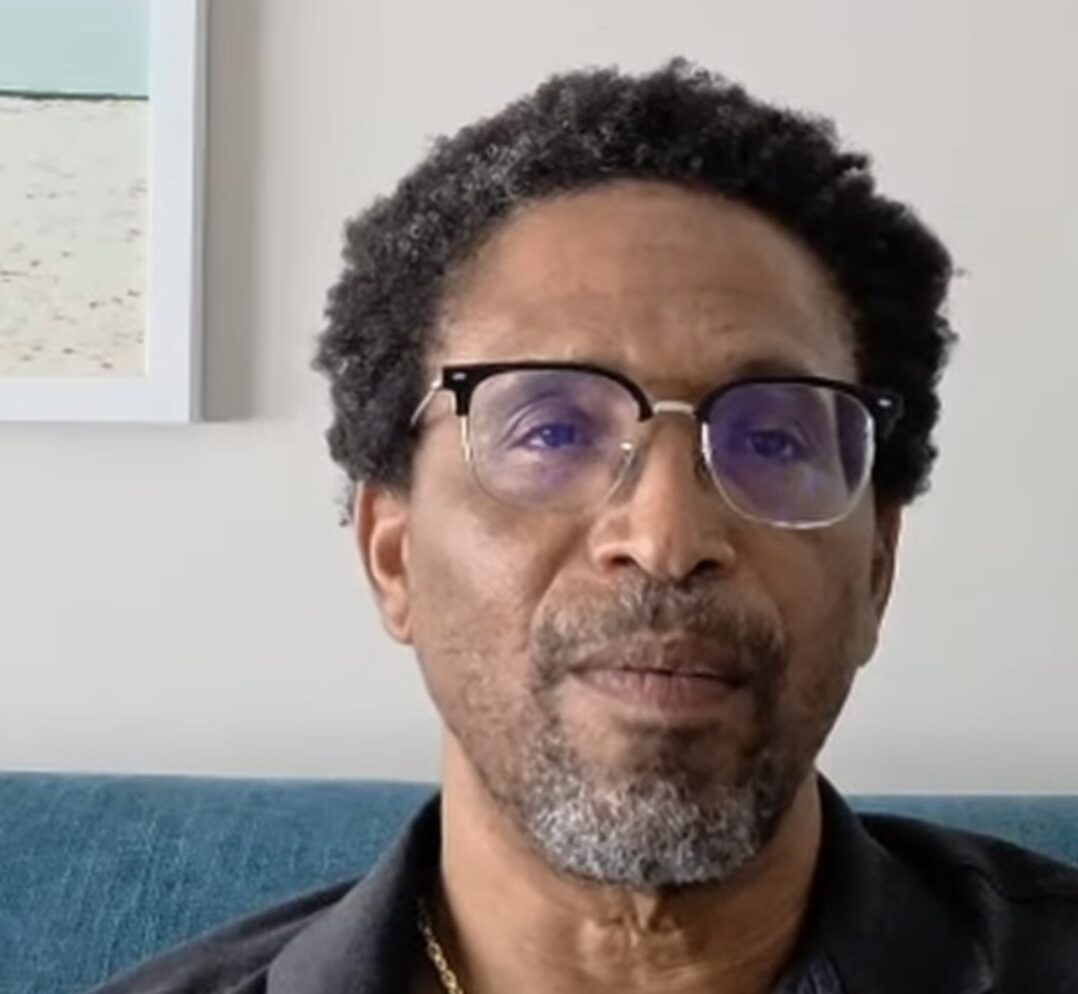
Georgetown, Guyana — Opposition Member of Parliament Dr. Terrence Campbell has attributed the country’s emerging fuel shortages to what he described as a breakdown in supply decisions by ExxonMobil, coupled with failures in government oversight and energy sector management.
In a detailed statement, Dr. Campbell argued that the shortages began with fuel supplies running out at Mobil service stations overnight, causing long lines at other major distributors including the state-owned Guyoil and private retailers. 
He explained that Guyoil plays a dual role in the domestic market, functioning both as a commercial enterprise and as a de facto price regulator. According to Campbell, this structure has historically helped keep fuel prices lower in Guyana by forcing private competitors to adjust their prices downward when Guyoil does so. 
However, Campbell contended that this same pricing dynamic has discouraged suppliers tied to ExxonMobil’s downstream operations from prioritizing Guyana. He alleged that, amid higher global prices, suppliers opted to divert fuel to more profitable markets rather than maintain consistent supply at Mobil stations locally. 
“This is a company making billions from Guyana’s oil,” Campbell said, accusing ExxonMobil of prioritizing profits over local supply needs. 
The opposition MP placed significant responsibility on the administration of President Irfaan Ali, criticizing what he described as an overly accommodating relationship with ExxonMobil and a reluctance to renegotiate existing agreements. He characterized the relationship as one of “mutual admiration,” arguing that it has not translated into protections for Guyanese consumers. 
Campbell also raised concerns about regulatory oversight, pointing to the role of the Guyana Energy Authority. He argued that the agency failed to adequately monitor fuel demand and coordinate with importers to ensure continuous supply, calling the issue a matter of national security. 
He further noted the relative silence of key officials within the energy sector, including the head of the Energy Authority, during the crisis.
“The government has failed. The Energy Authority has failed,” Campbell said, attributing the fuel shortages to what he described as systemic mismanagement. 
The government has not yet issued a comprehensive response to the claims. Meanwhile, long lines at fuel stations and intermittent shortages continue to affect motorists and businesses across the country.