Antigua and Barbuda is approaching a new electoral cycle, with political attention intensifying around a proposed April 30 election date, though no official confirmation has been issued by electoral authorities.
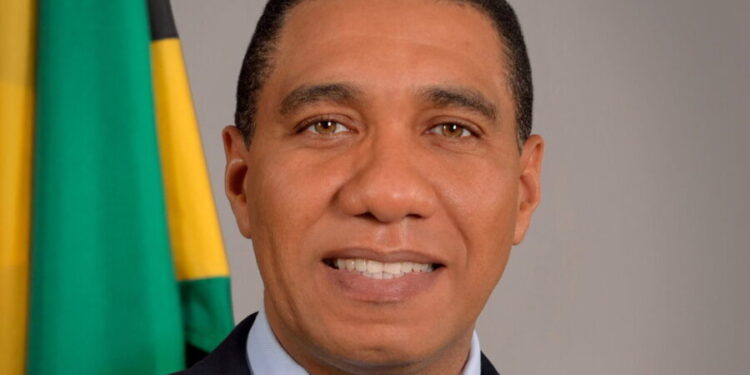
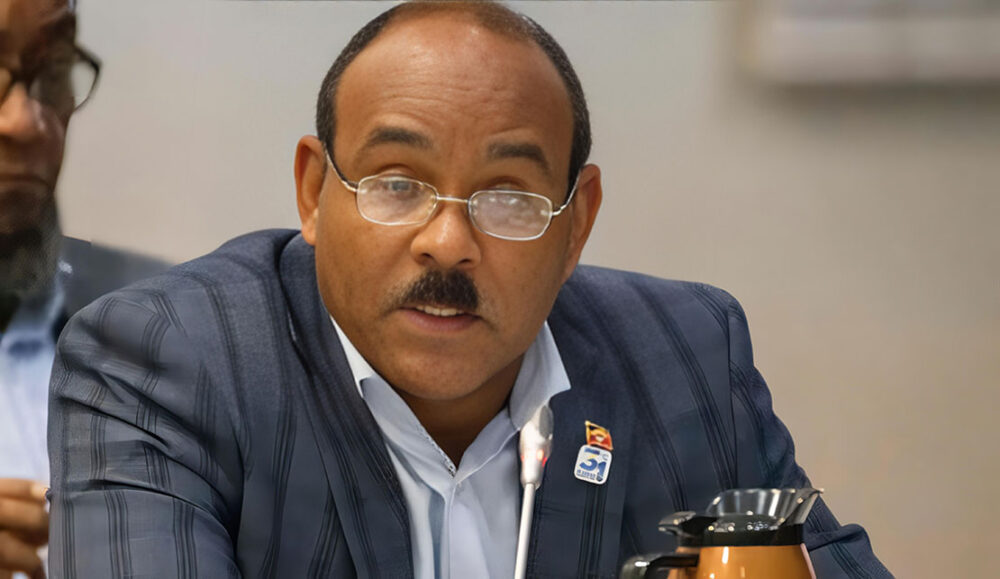
The contest is expected to pit the ruling Antigua and Barbuda Labour Party (ABLP), led by Prime Minister Gaston Browne, against the opposition United Progressive Party (UPP), in what is shaping up to be a critical test of governance and economic management.
The Browne administration has been promoting its economic record, pointing to strong post-pandemic recovery driven largely by tourism and foreign investment. Reports from institutions such as the International Monetary Fund and World Bank have noted that Antigua and Barbuda recorded steady growth as visitor arrivals rebounded to near pre-COVID levels, supporting job creation and government revenues.
However, despite these gains, the opposition has argued that the benefits of growth have not been evenly felt. The UPP has raised concerns about rising living costs, housing pressures, and what it describes as weak transparency in governance, calling for stronger oversight and more inclusive economic policies.
Governance remains a central issue in the emerging campaign. Critics have questioned decision-making processes and the management of public resources, while the government maintains that its policies have delivered tangible improvements in infrastructure, education, and national development. Regional reporting by outlets such as Antigua Observer and Caribbean News Global has consistently highlighted these competing narratives.
Healthcare is also expected to feature prominently. While investments in facilities, including upgrades to the Sir Lester Bird Medical Centre, have been noted in reports by the Pan American Health Organisation, concerns persist over staffing, access, and the overall quality of service delivery.
As political momentum builds, the upcoming elections—once formally announced—are likely to serve as a referendum on the government’s economic stewardship and its handling of governance issues. With both major parties sharpening their messages, voters will be asked to weigh macroeconomic progress against everyday realities, including cost of living and public service delivery.
The outcome is expected to have significant implications for the country’s policy direction, particularly in balancing continued economic growth with broader social and institutional reform.