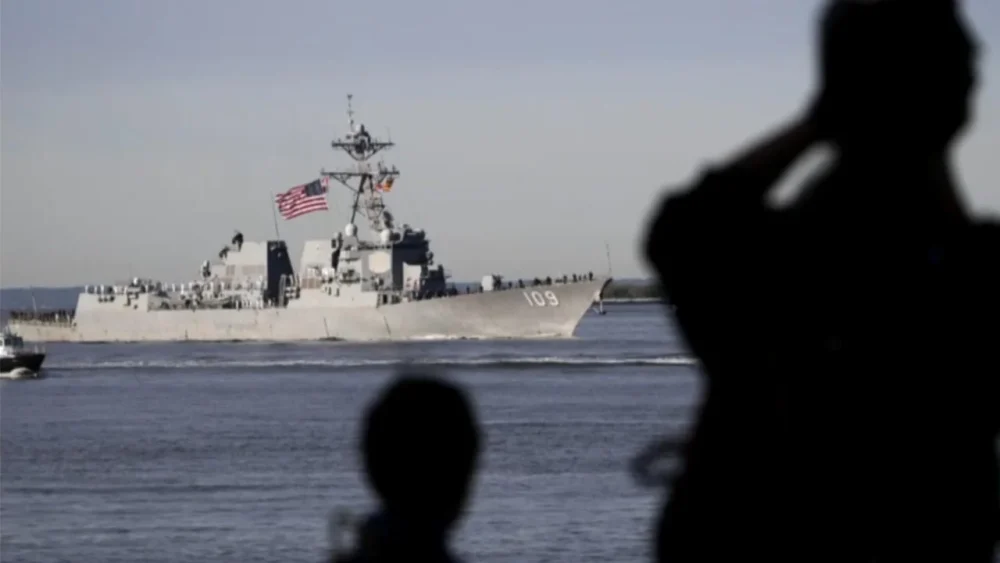
By Mark DaCosta-Recent developments have unveiled troubling allegations surrounding American military engagements in the Caribbean, prompting significant scrutiny from lawmakers across party lines in the United States Congress. This controversy arises from accusations suggesting that military officials may have committed acts constituting war crimes during the Donald Trump administration’s aggressive ostensibly campaign against maritime drug smuggling. With reports indicating a deliberate order to target survivors of previous strikes, questions are rapidly emerging about the legality of such operations and the extent of executive power in conducting military actions without prior congressional approval.
According to a report from the Washington Post, Defence Secretary Pete Hegseth allegedly issued orders for follow-up strikes on vessels in the Caribbean, specifically targeting survivors of a prior attack. Such actions, if proven true, have been vehemently condemned by lawmakers from both parties. “Obviously if that occurred, that would be very serious, and I agree that that would be an illegal act,” commented Representative Mike Turner, a Republican from Ohio. Meanwhile, Senator Tim Kaine of Virginia asserted that these actions “rise to the level of a war crime,” further highlighting the bipartisan concern regarding the legality of U.S. military operations in the Caribbean.
The implications of this development extend beyond political rhetoric; if the allegations are true, they would signify a troubling departure from the principles enshrined in international humanitarian law. War crimes, as defined under the Geneva Conventions and statutes of the International Criminal Court, encompass grave breaches such as targeting civilians, indiscriminate attacks, and disproportionate military responses that result in excessive civilian casualties. These legal frameworks exist to ensure accountability and protection in times of conflict, a principle that may have been violated in the ongoing U.S. campaign against drug trafficking in our region.
The military operations in the Caribbean, particularly the strikes reported to have killed more than 80 individuals since September, ostensibly aim to dismantle drug cartels threatening both America and the Caribbean. Nevertheless, an increasing chorus of dissent from Congress members reflects widespread alarm over the legal justification for such measures. As stated by Mr. Turner, “There are very serious concerns in Congress about the attacks on the so-called drug boats down in the Caribbean and the Pacific.” The lack of prior consultation with Congress has raised further questions regarding the legitimacy and oversight of these actions.
The House and Senate Armed Services Committees have initiated investigations to examine the legality of these operations, marking a significant shift in congressional attitudes, especially among previously supportive Republican lawmakers. House Armed Services Committee leaders have committed to a thorough inquiry, stating that they are “taking bipartisan action to gather a full accounting of the operation in question.” As such, the American military’s recent actions in the Caribbean may be classified as potential war crimes against humanity.
Key American actions in the Caribbean exhibiting questionable legality can be summarised as follows:
1. Targeted Strikes on Suspected Drug Boats – Allegations of orders to conduct lethal strikes without verifying the presence of combatants raise serious concerns.
2. Follow-up Strikes on Survivors– Reports of targeting survivors of initial strikes not only contravene international law but may also be seen as extrajudicial killings.
3. Lack of Congressional Oversight– Military actions taken without adequate consultation through established legislative channels undermine democratic processes and accountability.
4. Disproportionate Use of Force- With over 80 fatalities in a matter of weeks from the operation, the scale of force appears disproportionate, violating principles of necessity and distinction in wartime conduct.
Democratic and Republican lawmakers are united in calling for clarity and accountability, with prominent leaders demanding “the full, unedited tapes of the strikes so people can see for themselves,” as insisted by Senator Chuck Schumer. Notably, the Pentagon has faced scrutiny for its handling of these military operations, with ongoing investigations potentially leading to broader ramifications for U.S. military policy in the region.
This controversy is particularly relevant to the citizens of our nation and the Caribbean as a whole, as it highlights the need for transparency and adherence to international law amid military actions that could have far-reaching consequences. With both political parties now calling for accountability, the events unfolding may signify a pivotal moment in the relationship between military engagement and legal frameworks designed to protect human rights and dignity, especially in regions vulnerable to external intervention.