Former Regional Executive Officer (REO) for Regions 8 and 9, Carl Parker, has accused the People’s Progressive Party/Civic (PPP/C) Government of killing the dreams of young boxers, blaming the party for what he described as a steady collapse of the sport since it took office in 1992.
In an interview with Village Voice News, Parker — a lifelong boxing fan — said Guyana once produced athletes of world-class calibre from the early 70s and even before but that the country’s boxing fortunes have plummeted over the past three decades.
“Since the People’s Progressive Party/Civic took office in 1992, there has been a steady decline in the sport discipline,” Parker said.
He recalled that Guyanese of African descent were once enthusiastic supporters of boxing, and tournaments in Georgetown and Linden attracted large crowds even in the early PPP/C years. According to him, boxing served as a tool for uplifting youths from deprived communities, giving them discipline, purpose, and a path out of poverty.
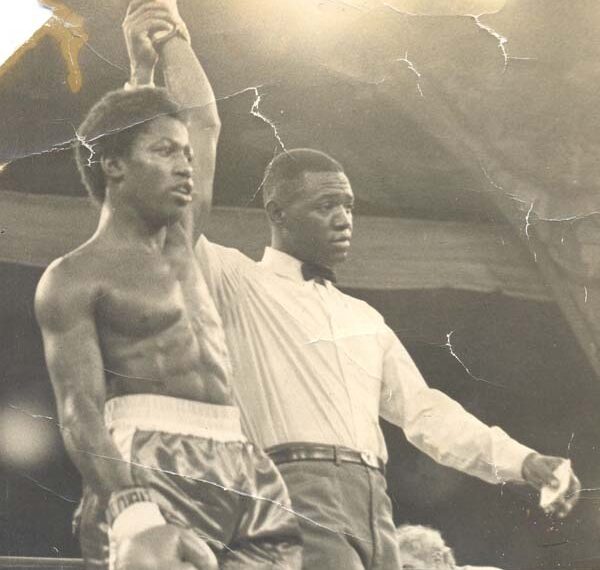
Parker listed several of the country’s greatest boxing names, saying:
“Guyanese should not forget Michael Parris, who won a Bronze Medal at the Olympics; Lennox Blackmore; Patrick Forde; Kenny Bristol; Reginald Forde; Donald Allison; Terrence Ali; Darius Forde; Andrew “Sixhead” Lewis and Wayne Braithwaite, who all fought for prestigious world championships.”
Parker noted that Guyana’s boxing legacy is rich and distinguished. Michael Parris made history as the country’s first Olympic boxing medallist, winning bronze at the 1980 Summer Olympics in Moscow. Lennox Blackmore, Guyana’s first Commonwealth champion, was celebrated for his precise counterpunching, while Patrick Forde, a Commonwealth featherweight champion, challenged twice for a world title and won sixteen consecutive bouts early in his career.
Kenny Bristol earned a silver medal at the 1975 Pan American Games, and Reginald Forde represented Guyana at the 1972 Olympics, also taking bronze at the 1971 Pan American Games and 1974 Central American and Caribbean Games. Donald Allison had a solid professional record over six years, facing notable opponents, while Andrew “Sixhead” Lewis, captured the WBA welterweight belt in 2001.
Terrence Alli stands among the greatest boxers Guyana has ever produced and sent to compete on American soil. A former two-time U.S. Champion and two-time North American titleholder, he once held the top spot in the global rankings and racked up the most victories on ESPN. ‘Terrence Alli is a tough old warrior—that’s the best way I can describe him,’ the 58-year-old fighter shared in an exclusive interview with Chronicle Sport.”
Wayne Braithwaite achieved world cruiserweight champion status, defending his title multiple times, and Darius Forde, from a renowned boxing family, continues to promote and inspire the sport locally. Together, these athletes have distinguished themselves in the ring, keeping Guyana firmly on the international boxing map.
Guyana was on the trajectory of entering more title fights, but this was not in the interest of the PPP/C to encourage and promote the sport of boxing,” Parker asserted.
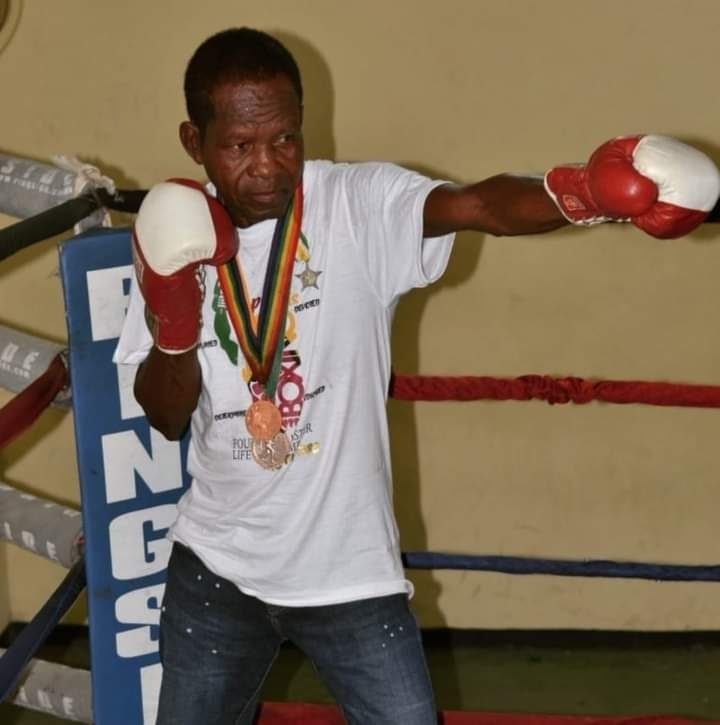
Andrew “Six Head” Lewis made history as the first from Guyana to win a world title. On February 17, 2001, he captured the vacant WBA welterweight championship by defeating American James Page via TKO at the MGM Grand in Las Vegas.
The former REO said the decline in boxing began with the lack of investment in training facilities, equipment, and organised events to showcase local talent.
“Boxing’s decline started from the non-availability of gyms, rings, and the necessary support to plan and host tournaments,” he explained.
Despite his criticism, Parker commended small promoters who continue to work within their communities to keep the sport alive. He also praised the 2023 bust in honour of Guyana’s lone Olympic medallist, calling it “applaudable.”
However, Parker said the Ministry of Culture, Youth and Sport must do much more to use sport as a pathway for youth development.
“The Ministry should be more proactive, especially in using sport as a way out for youths struggling in deprived communities,” he said.
Parker added that he will be watching future national budgets closely to see how much is allocated to sport and “which disciplines are given the attention needed to ensure that young people are truly encouraged.”