Local democracy in Guyana is under siege. Despite constitutional guarantees and democratic norms that affirm the authority of municipalities and neighbourhood democratic councils (NDCs), the Irfaan Ali-led central government has increasingly acted in ways that weaken, marginalise, and bypass local government institutions. This steady erosion of grassroots power is not only undemocratic, it is dangerous.
At the heart of this issue is the government’s calculated strategy to starve local authorities of funds, deny them avenues to expand their economic base, and undermine their financial autonomy. The most visible case is Georgetown’s Mayor and City Council (M&CC), which has long been refused meaningful subventions, has billions owed by central government in unpaid taxes and rates, and has been denied approval to revalue property, a necessary step to improve its revenue. Without sufficient resources, local authorities are hamstrung, unable to maintain services or invest in their communities.
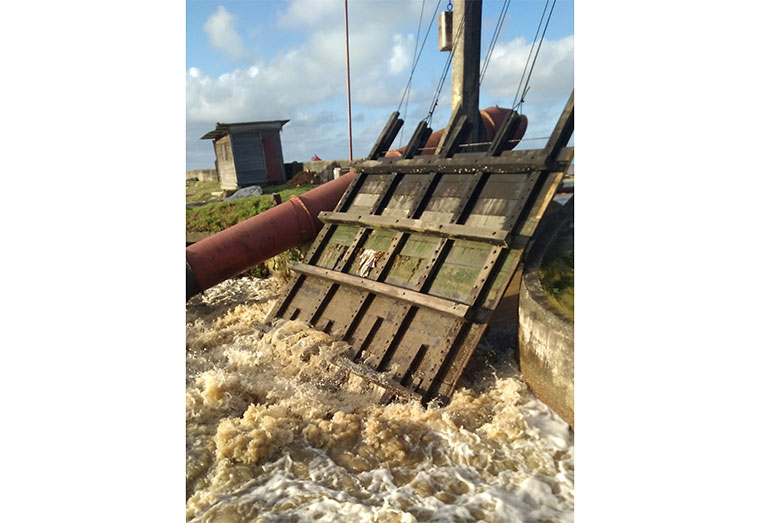
But the issue goes beyond Georgetown. Across the country, neighbourhood authorities report being excluded from development decisions and starved of financing, even while the central government executes major infrastructure projects in their jurisdictions without consultation. Whether it’s road works, waste disposal, or drainage upgrades, the trend is clear. Central government takes over responsibilities traditionally held by local government, then blames local officials for being ineffective. This is not collaboration, it is usurpation.
As Vice President Bharrat Jagdeo himself admitted, the government is willing to “step in” where it believes the City Council has failed. But who decides failure? And more importantly, who benefits from the erosion of local government? The PPP/C’s approach has the effect, if not the intent, of turning local authorities into powerless shells, dependent on central government goodwill rather than accountable to their citizens.
This undermining of independence and financial autonomy strikes at the core of grassroots democracy. Local government is meant to reflect the will of communities, to offer residents a say in how their towns and villages are run. When power is hoarded at the centre, it silences those voices and turns democracy into a top-down exercise of control.
Guyana’s political leaders must remember democracy does not begin and end with national elections. It is lived daily in communities, in city councils, NDC meetings, and neighbourhood consultations. If the government truly believes in democratic governance, it must respect, empower, and fund local government institutions, not suffocate them.
The continued marginalisation of local authorities only cements the impression that political dominance is being prioritised over democratic inclusion. The result is a weakened democratic fabric, one where power is centralised, voices are silenced, and accountability disappears.
For Guyana to thrive, it must reverse this course. Empower local government. Restore financial autonomy. Honour constitutional responsibilities. Because democracy dies not in one dramatic collapse but by a thousand quiet cuts.