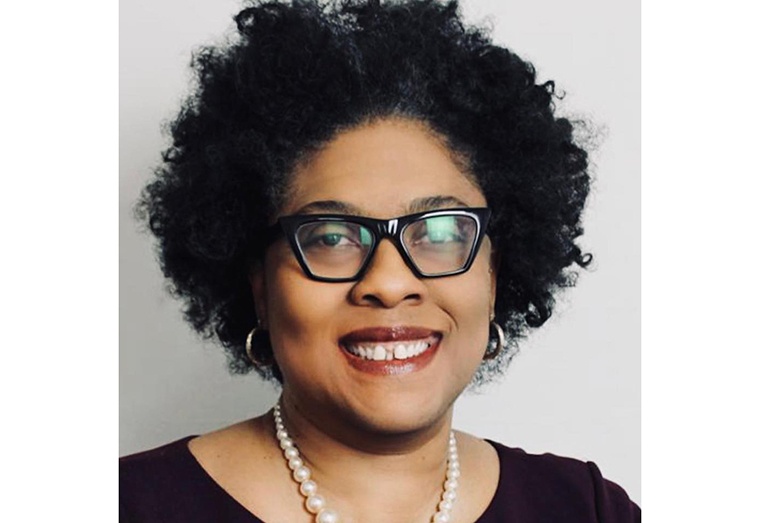
GEORGETOWN, Guyana — Opposition Leader and presidential candidate Aubrey Norton pledged a bold shift toward inclusive governance during a wide-ranging discussion with Dr. Terrence Blackman on the Guyana Business Journal podcast this evening at 7 PM. The conversation centered on national development, with Norton calling for a “new political culture” that empowers Guyana’s youth, women, and diaspora communities.
Norton described Guyana’s current political and economic system as deeply exclusionary, with thousands locked out of meaningful participation and decision-making. He committed to reshaping that reality by targeting systemic barriers and prioritizing investment in long-ignored segments of the population.
“You can’t just call it inclusion, you must build the institutions that allow young people, women, and diaspora Guyanese to lead, to grow, and to serve,” Norton said.
Norton outlined plans to cultivate youth leadership at the community level, arguing that today’s young people are often alienated from governance and lack platforms for meaningful engagement.
“We must train youth leaders to lead their peers, not just follow the older generation,” he said, noting that too often, young people are left without mentors or representation that reflects their reality.
He highlighted the need for community-based programs, arts development, and a cultural shift in entertainment, from music that “deteriorates values” to content that uplifts and inspires. He also called for investment in sports and creative industries, saying these sectors can provide “pathways to purpose” for thousands of young Guyanese.
While acknowledging existing legal quotas for women’s representation in Parliament, Norton insisted that real empowerment must go much further. He pointed to economic dependency as a root cause of vulnerability and gender-based violence.
“A woman who depends on an abusive man for survival has no freedom,” he said. “We need to build support systems and economic alternatives that free her.”
He called for police retraining to handle domestic violence cases with seriousness and urgency, and for nationwide support structures to help women build economic independence through education, entrepreneurship, and childcare support.
Norton emphasized that the Guyanese diaspora, long regarded as an economic asset through remittances, must now be treated as a strategic partner in development.
“The diaspora doesn’t just send money home, they send ideas, networks, and talent. They must have a real seat at the table,” he argued.
While Norton did not outline specific mechanisms for diaspora engagement, he made clear that under his leadership, policymaking would intentionally include the voices of overseas Guyanese in shaping national priorities.
The conversation closed with Norton reaffirming his commitment to a governance model that invests in the people, not just the economy.
“This is not about charity. It’s about building a Guyana where every citizen feels they belong, where they can see a future and play a part in building it,” Norton said.
As the September 1 elections approach, Norton’s remarks suggest that his campaign will lean heavily on the promise of inclusive development, an agenda that speaks directly to those who have felt invisible under the current government.