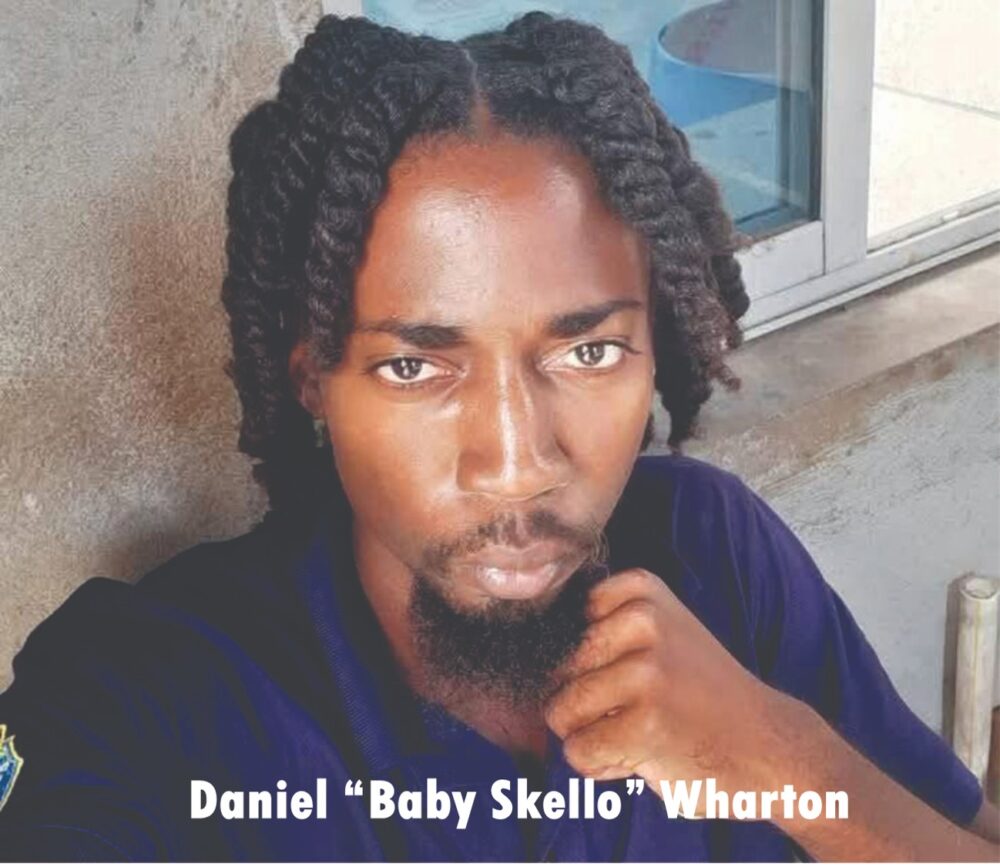
By Mark DaCosta- In a striking development, singer and disc jockey Daniel Wharton, popularly known as Baby Skello, has been released on bail following his arrest for blasphemous libel stemming from a controversial song. The singer was granted bail amounting to GY$45,000 by High Court Justice Simone Morris-Ramlall, merely days after facing serious allegations concerning a tune that allegedly insults a Hindu deity. This case has ignited fervent discussions about the persisting blasphemy laws in our homeland and their implications for artistic expression.
Wharton’s legal troubles began when he was taken into custody last week following the public uproar regarding the explicit content of a song featuring references to the Hindu goddess, Mother Lakshmi. He was initially denied bail during his first court appearance before Magistrate Judy Latchman and was subsequently remanded to prison. He remained incarcerated over the weekend, during which his lawyers, led by Dexter Todd and Everton Singh-Lammy, sought to secure his release. They argued that Wharton posed no risk of fleeing the legal system and had complied with all police conditions prior to his incarceration.
In making the case for bail, Singh-Lammy highlighted that the Guyana Police Force had previously released Wharton on his own recognisance, suggesting there were no significant concerns regarding his compliance with legal procedures. He acknowledged the prosecution’s claims of significant public disorder triggered by Wharton’s song but countered these assertions by noting that there had been no unrest during the time Wharton was free prior to being remanded.
The charge against Baby Skello falls under the country’s blasphemous libel laws, which criminalise speech deemed offensive to religious sentiments — with violations carrying potential prison sentences of up to one year. The prosecution argued that the nature of the allegations warranted further detention due to the serious implications of the offence and the potential threat to public order. However, Wharton’s legal team contended that the charge’s seriousness did not align with the intensity of the proposed punishment, challenging the classification of the blasphemy law under the Bail Act.
In a move that illustrates his desire to mend relations with the offended religious community, Wharton publicly apologised and removed the song from his TikTok account. Despite these measures, he was summoned to appear before the Ethnic Relations Commission but failed to attend that scheduled hearing. Following his recent release, the public awaits the continuation of the case, with many commentators highlighting the complexities of balancing artistic freedom against religious sensibilities.
The situation has not only garnered attention due to the specifics of the case but has also ignited broader discussions regarding the relevance of antiquated blasphemy laws in our nation. As noted by members of the political opposition, particularly through the Alliance for Change (AFC) party, there is a powerful argument advocating for the repeal of blasphemous libel legislation. They assert that such laws inherently infringe upon the right to free expression as enshrined in our Constitution and are incompatible with contemporary human rights standards.
Spokesperson for the A Partnership for National Unity (APNU), Sherwood Lowe, has echoed sentiments of discontent regarding how the case has unfolded, insinuating that the government’s approach may have influenced judicial decision-making. The APNU has called for a re-examination of the circumstances surrounding the case, asserting that all individuals deserve equitable treatment under the law, regardless of the charges they are facing.
Amidst the calls for legal reform, some factions within our society question whether punishing an artist for expressing provocative thoughts ultimately serves the greater good or if it simply cultivates a culture of fear and censorship. Critics argue that while Wharton’s conduct may be seen as distasteful to some, the severity of his detention and the escalation of legal repercussions reflect an overreach by authorities.
As the case continues to unfold, it encapsulates the urgent need for dialogue within our homeland on the themes of religious respect and freedom of expression. The outcry from political parties and human rights advocates serves as a reminder of the delicate balance required to uphold values that are foundational to a progressive society. The imminent trial of Baby Skello, amidst a backdrop of growing calls for change, may well serve as a pivotal moment in our history that could reshape the discourse around expression and tolerance in our culture.