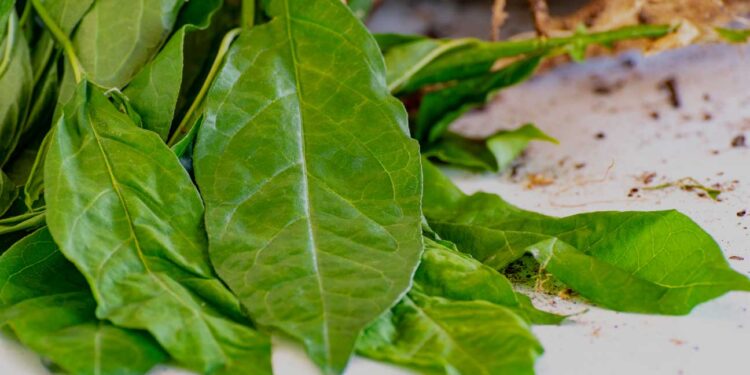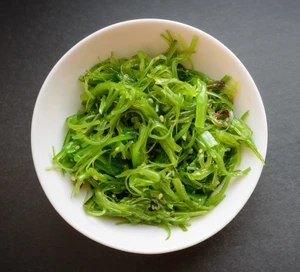
What is sea moss?
Chondrus crispus is an edible seaweed found growing in coastal regions of the Atlantic, including those in Europe and North America. Like other seaweeds, it’s a rich source of many of the harder-to-get nutrients.
More commonly referred to as sea moss, its main culinary use is as the thickening agent, carrageenan. Vegan-friendly and a good all-round emulsifier, carrageenan is frequently used by food manufacturers. In a domestic setting, however, you’re more likely to find sea moss in supplement form rather than as a recipe ingredient.
Given its name, you might expect sea moss to be green – it’s actually available in a variety of colours from green through to yellow, red, brown and even black. The most common variety, however, is red, and often referred to as Irish moss.
Discover our full range of health benefit guides and check out some of our favourite seaweed recipes.
Nutritional benefits
Two tablespoons (10g) of Irish moss (raw) contains approximately:
4.9 kcals/21 KJ
0.15g protein
0.02g fat
1.23g carbohydrates
0.13g fibre
7.2 mg calcium
0.89mg iron
14.4mg magnesium
0.19mg zinc
Sourced from U.S. Department of Agriculture: Agricultural Research Service
It’s worth noting that nutritional values will vary depending on the geographical location of the sea moss, the season of the harvest and how it’s stored and processed.
Top 5 health benefits of sea moss
- May support thyroid health
Our thyroid gland is responsible for releasing hormones to help govern our growth, energy, reproduction and repair. In order to do this, the thyroid needs a number of nutrients, one of which is iodine and another the amino acid, tyrosine. Both of these nutrients are found in seaweed, although in variable levels depending on the variety and how it’s stored and prepared.
- May support gut health
Seaweed is rich in dietary fibre, much of which is in the form of polysaccharides, a fibre we can’t digest but the bacteria in our gut can – in this way it acts as a prebiotic or food source for these beneficial gut microbes.
Fuelling the gut bacteria in this way helps create a favourable environment promoting the microbes which offer us the greatest benefits. It’s these gut bacteria which, among other things, help shape our health through their production of beneficial compounds called short chain fatty acids.
- May support immunity
The harsh conditions of the coastal waters in which seaweed, like sea moss, have evolved to survive has meant they’ve developed an enviable defence mechanism. As such, they are rich in phytochemicals which, when consumed, provide health benefits including immune modulation and improved immune response for the consumer.
- May improve blood sugar control
Studies suggest that including seaweed as part of a healthy, balanced diet may support blood sugar management and potentially reduce the risk of type 2 diabetes. This is thanks, partly, to compounds like the carotenoid and fucoxanthin, which helps to reduce insulin resistance and support better blood sugar control. The high fibre content in seaweed also plays its part in helping slow the speed of digestion.
- May support heart health
Seaweed, including sea moss, is one of the best plant sources of omega-3 fatty acids, which are essential for health, and especially so for the heart and cardiovascular system. Studies suggest that seaweed may improve cholesterol balance and act as a blood thinner, reducing the risk of heart disease.
It’s worth noting that although some studies examine the effects of sea moss, many use alternative species of seaweed. Therefore, more research is needed to clarify our understanding of the specific health effects of sea moss in the human diet.
Is sea moss safe for everyone?
Being rich in the mineral iodine, seaweed, including sea moss, is especially useful for those following a largely plant-based diet. However, while the iodine content makes seaweed beneficial for thyroid health, consuming too much may have a detrimental effect. For this reason, the British Dietetic Association recommends seaweed is not eaten more than once a week, especially during pregnancy.
If you’re on blood thinning medication such as warfarin, your GP or dietitian may suggest you monitor the vitamin K-rich foods, like seaweed, in your diet to ensure you eat similar amounts consistently. Another nutrient which seaweed is high in is potassium. Certain medications work by raising the potassium levels in the blood, so if you are taking one of these, you should be careful when eating foods rich in potassium, like seaweed.
Seaweed can soak up and store minerals in high amounts, and may accumulate toxic heavy metals such as cadmium, mercury, aluminium and lead. That said, one study suggests the toxicity risk appears low, although it is best to consume sea moss, as with other sea vegetables, in moderation.
If you’re on prescription medication, have a relevant medical condition or have other related concerns, speak to your GP for further guidance.
By Kerry Torrens – Nutritionist (bbcgoodfood.com)