Elderly Caribbean folks have spent all their lives being prepared for disaster. Just as they are always prepared for the hurricane season, Caribbean elders in New York City sprung into survival mode. As the news of the Novel Coronavirus spread like wildfire not even their lifelong experiences in disaster preparedness, could have prepared them for being drafted into the battle with this deadly disease, that altered the way in which they must now operate in their adopted homeland.
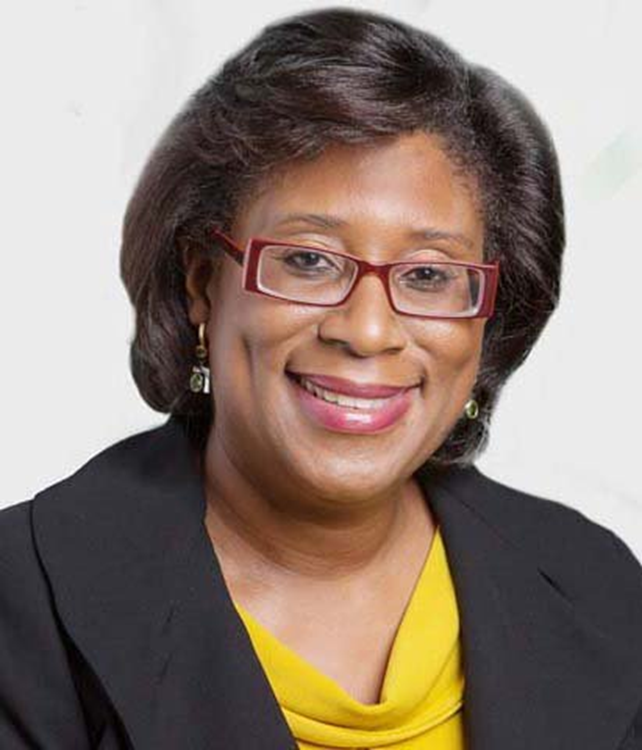
I am Rozanne Caesar, a first-generation Guyanese American, who reside in the predominantly Caribbean American community of East Flatbush. I am currently pursuing a master’s degree in Public Health at SUNY Downstate University. My aim is to work to reduce the Maternal Morbidity and Mortality rate among women of color.
As the shelter-in-place order was instituted by the governor of New York State, New Yorkers began panic shopping. Elderly Caribbean folks were also thrown into panic shopping mode, as they embarked on shopping for basic food items. I too began panic shopping, I observed elderly Caribbean men and women; while they shopped for food items that are considered to be staple food items in a Caribbean household: rice powdered milk, cooking oil, canned meats and vegetables, as well as other foods that have a long shelf life, such as salted cod fish and frozen foods. Home baked bread is popular with elderly Caribbean women, so ingredients such as flour, butter, yeast, and vegetable shortening were sold out at the supermarkets, and the Caribbean food markets. Some Caribbean-American elders also experienced food insecurity and sought assistance from local food pantries.
As the virus swept the city, and the rate of infections increased, older Caribbean Americans dealt with the same issues as everyone else. Culturally, Caribbean nationals are less inclined to reside in a Skilled Nursing Facility. However, they are more likely to reside in multigenerational households, usually with their daughter as their primary caregiver. The inability to maintain the social distancing rule within their household, was the major reason why the prevalence rate of the disease was exceedingly high among members of the Black community. (Scott, 2020)
Caribbean-Americans also dealt with social isolation during the pandemic. Attending church services plays an integral part in the lives of Caribbean elders. Apart from getting in touch with their faith, elders are afforded the opportunity to get dressed up and go out to socialize with family and friends on a weekly basis. As doors to their respective churches were closed, to avoid the spread of the virus, elders resorted to celebrating services or mass via Zoom. Thus, putting an abrupt end to their ability to socialize with others. Caribbean elders have always resisted the use of technology. They believe that technology makes a person lazy. Now with the use of Zoom and Skype, they are now forced to step into the age of technology. Adult Day Programs were also suspended, depriving the elderly of recreational activities. The feeling of isolation from their peers, plunged them into a state of depression. Studies have shown that social isolation increases the mortality rate among the elderly (Medicare, 2020). With approximately 2 million Caribbean immigrants in New York City (U.S Census) more than 100 “New York-based” Caribbean-Americans have succumbed to the Coronavirus and the numbers have continued to increase (The Guardian, April 2020). Many of the deceased were essential workers who hailed from Guyana, Trinidad & Tobago, Jamaica, and Barbados.
Many private medical appointments were cancelled, as doctors closed their private practices, to provide care for persons who were severely afflicted with the disease in a hospital setting. The elderly was once again exposed to learning a new type of technology called “Telemedicine,” in order to communicate with their provider. Elders who do not possess technology skills, relied on their younger family members for assistance. Caregivers resorted to taking an alternative approach by using natural remedies from Health Food stores to manage illnesses, and to boost their immune system, in order to avoid becoming infected with the Coronavirus.
Elderly Caribbean Americans have adjusted to their new normal of wearing masks and other PPE, as well as to technology. Now that there is a resurgence in the number of COVID-19 cases, Caribbean- American elders are more prepared than before.
Best regards,
Rozanne Caesar A,S. B.Sc.