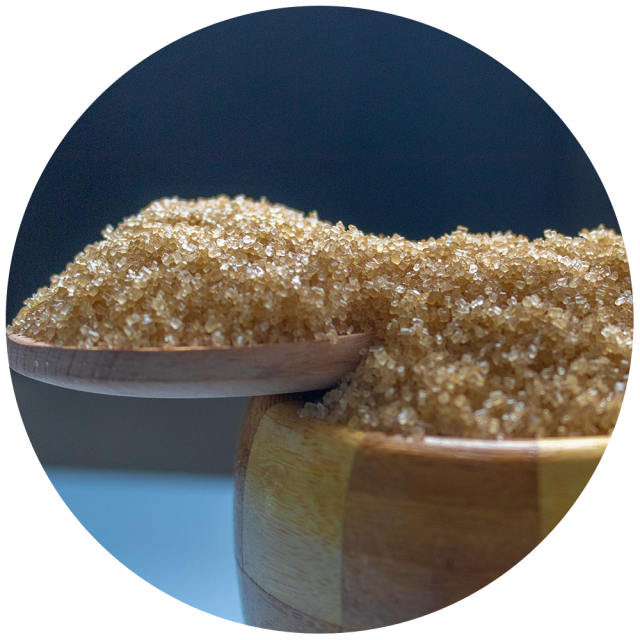
By Mark DaCosta-Guyanese are often told – sometimes by health professionals – that sugar is bad for health. Also, in advertising, manufacturers often boast that their products are low in sugar or sugar-free. The implication is that sugar is bad. The fact is, though, that in spite of all the advice and advertisements, Guyanese still consume a lot of sugar. Why is that the case?
How much sugar do we use? If one were to take a statistical average of data from multiple reliable sources, one finds that The average person consumes about 24 kilograms (53 pounds) of sugar every year, with North and South Americans – such as Guyanese – consuming up to 50 kg (110 lb).
What is sugar?
A sugar is a type of carbohydrate. Like other carbohydrates, such as starch, sugars are a source of energy for your body. Sugars can occur naturally in foods or be added to foods and drinks. The sugar that we add to our coffee and tea in Guyana is called sucrose. This type of sugar may also be added by manufacturers to bottled “sweet drinks.”
Naturally-occurring sugars include lactose in milk, fructose in fruit and honey, glucose in fruits and vegetables, and maltose in wheat and barley.
Added sugars is the name given to sugars that are added to a food by the person or manufacturer preparing it. Sugars are added by manufacturers for many reasons — including to make food taste sweeter, extend its shelf life or improve its appearance.
There is no chemical difference between naturally-occurring sugar and added sugar. Naturally-occurring sugars are not necessarily healthier than added sugars. But naturally-occurring sugars are more likely to be in foods alongside useful nutrients such as fibre, vitamins, and minerals. And that is the big difference between natural sugar and added sugar. The naturally-occurring sugars in fruits, for example, will come along with healthy nutrients. On the other hand, added sugar is just empty calories.
The fact that sugar is high in calories may answer the question about why Guyanese use so much of it. Our bodies require calories in order to function, however, healthy sources of calories such as fruits may be too expensive for many Guyanese to afford. So, we simply make do by consuming a lot of sugar.
At this point, one should note that some foods and drinks contain a combination of both natural sugars and added sugars. For example, yoghurt contains lactose, a sugar that is naturally present in dairy foods but may also contain sugar added by the manufacturer to sweeten the taste. Guyanese could find out if foods have added sugar by reading the labels.
Is sugar bad?
Simply put, too much sugar is bad.
In the early 1900s scientists noticed that people who used lots of sugar had higher instances of health problems. Today, we know that too much sugar in the diet causes weight gain, heart disease, diabetes, mood disorders, fatigue, arthritis, digestive problems, high blood pressure, skin problems, sleep issues, and, of course, cavities. It may therefore be concluded that we should keep our intake of sugar to a low level.
How low?
In 2015 the World Health Organization (WHO) came up with the following recommendations based on scientific evidence:
WHO recommendations on the intake of sugars to reduce the risk of disease risk in adults and children, with a particular focus on the prevention and control of unhealthy weight gain and dental caries (decay):
-
WHO recommends a reduced intake of free sugars throughout the life course (strong recommendation).
-
In both adults and children, WHO recommends reducing the intake of free sugars to less than 10% of total energy intake (strong recommendation).
-
WHO suggests a further reduction of the intake of free sugars to below 5% of total energy intake (conditional recommendation).