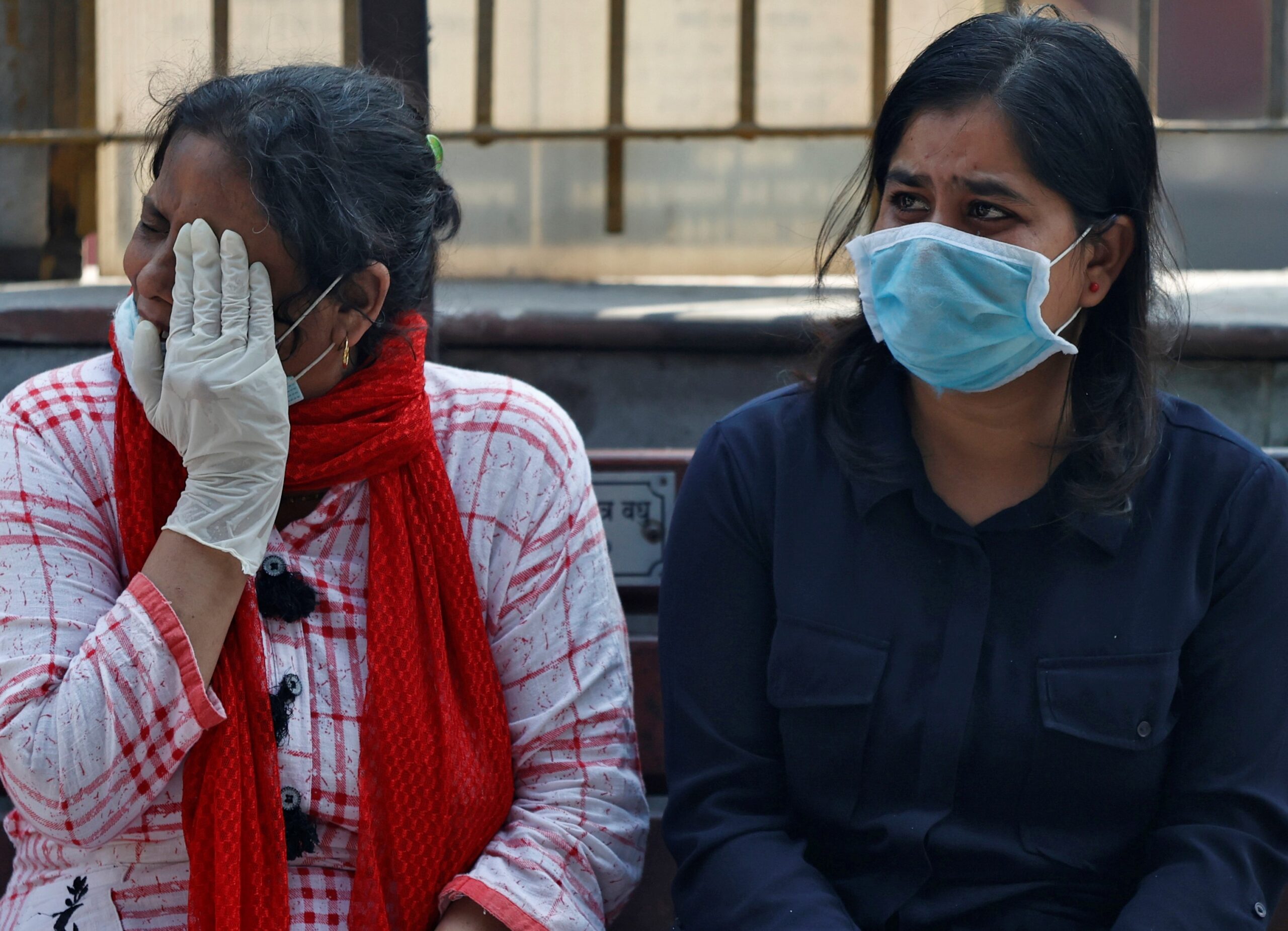
By Annie Banerji
NEW DELHI (Thomson Reuters Foundation) – One after another, people came, took one look at her face and then walked off. In the end, student Rachungailiu Gonmei gave up on finding anyone willing to share a rickshaw with her in New Delhi, and travelled alone.
Like many Indians from Northeast India – a vast region that borders China, Gonmei has noticed a sharp increase in racial discrimination and abuse since the new coronavirus emerged in the Chinese city of Wuhan late last year.
Targeted for their East Asian looks, northeasterners say they have been spat at, called “coronavirus” and told to go back to China.
“I suddenly thought ‘Oh, so this is how it’s going to be’,” said Gonmei, 23, who comes from the northeastern state of Manipur and studies at Delhi University.
“But I also realised it’s not surprising. It was disappointing and hurtful, but it wasn’t something new,” she said.
Northeast Indians have faced hate crimes, discrimination and racial slurs like “Chinky” and “chow mein” in other parts of the country for decades, but such abuse has become far more common during the pandemic.
Bordered by China, Myanmar, Bangladesh and Bhutan, the Northeast region is a cluster of eight states connected to the rest of the country by a narrow strip of land, and is home to numerous ethnic groups.
Many people, especially the young, leave the remote area and head to the big cities of New Delhi, Mumbai and Bengaluru in search of better jobs and education.
But they face many challenges adapting to new languages and different cultures and endure frequent racial discrimination. Harassment from landlords and employers and attacks in the street are common, campaigners say.
As Indian celebrities and politicians voice support for the global Black Lives Matter movement, northeast Indians say they should seek to tackle racism at home first.
“When people are suffering here, you don’t even raise your voice? It’s only when it’s an American issue that you speak out?” said Alana Golmei, a lawyer and activist who runs the Delhi-based Northeast Support Centre and Helpline.
“It’s a total double standard.”
‘TIP OF THE ICEBERG’
Golmei, who herself was called “coronavirus” in the street earlier this year, said calls to the helpline had more than doubled to about 200 a day since late January, around the time that India’s first coronavirus infections were reported.
But she said that was likely the “the tip of the iceberg” because most victims of racial harassment or abuse choose not to go to the police, who routinely refuse to register or follow up on such complaints.
“We face a lot of challenges in trying to help these victims of abuse and discrimination because the police are so insensitive. They mock us and laugh at our Hindi,” she said, calling for strict enforcement of laws to punish racial abuse.
Under Indian law, the use of derogatory racist terms is punishable by up to five years imprisonment, but punishment is rare.
Women from Northeast India face a double discrimination, Golmei said. Neighbours and landlords often harass them for coming back late at night, assuming they are sex workers.
Still, the situation has improved in recent years due to increased awareness.
The murder of 20-year-old Nido Taniam, who was from the northeastern state of Arunachal Pradesh, at a New Delhi market in 2014 sparked protests and soul-searching in India, leading to anti-racism campaigns and police-training programmes.
It also spurred the creation of a panel to look into the concerns of northeast Indians, which made a series of recommendations on police reform, fast-track court procedures and greater representation of northeasterners in state roles.
Six years on, however, Golmei – who was part of the panel – said the home ministry had implemented few of the recommendations.
The ministry’s Northeast division did not reply to requests for comment.
‘TOO TRAUMATISED’
In March, concerned about the upswing in racism, the ministry issued an advisory to all states to take action to tackle abuse against northeast Indians over the coronavirus.
Over the last few years, the government has launched scores of initiatives to better connect the Northeast to the rest of the country by promoting tourism and infrastructure projects.
But in the absence of a law specifically targeting racial discrimination, many northeast Indians try to prepare themselves for entrenched racism by learning the dominant Hindi language or contacting support groups before heading south.
Thotmahai Raingam, a tech consultant and member of a Mumbai-based charity that helps northeast Indians in the city, said he had a list of dos and don’ts to help new arrivals cope.
“There are certain things we can control to make life safer for us,” said Raingam from the Tangkhul Welfare Society Mumbai.
He urges northeasterners to try to avoid getting into fights if they face abuse or do anything to “attract unnecessary attention that could invite trouble”.
They should try to get evidence of any harassment or assaults – either visual or audio recordings – otherwise police will likely refuse to take action.
Raingam said that while awareness campaigns were important, they should not just say “racism is wrong”, and instead emphasise the impact of racial abuse on victims.
Contacted by the Thomson Reuters Foundation, a woman from the Northeast who was spat on in Mumbai in April said she still felt “too traumatised” to talk about the incident.
Gonmei, the Delhi University student, urged universities to introduce more course books written by northeast authors to improve knowledge of their cultures.
In the meantime, she said she hoped the Black Lives Matter movement would foster anti-racism demonstrations in India to fight discrimination faced by northeast Indians.
“It would be so great if people in India also turned up for each other in that way,” she said. “That kind of thing is definitely needed here as well.”
Credit the Thomson Reuters Foundation, the charitable arm of Thomson Reuters, that covers the lives of people around the world who struggle to live freely or fairly.