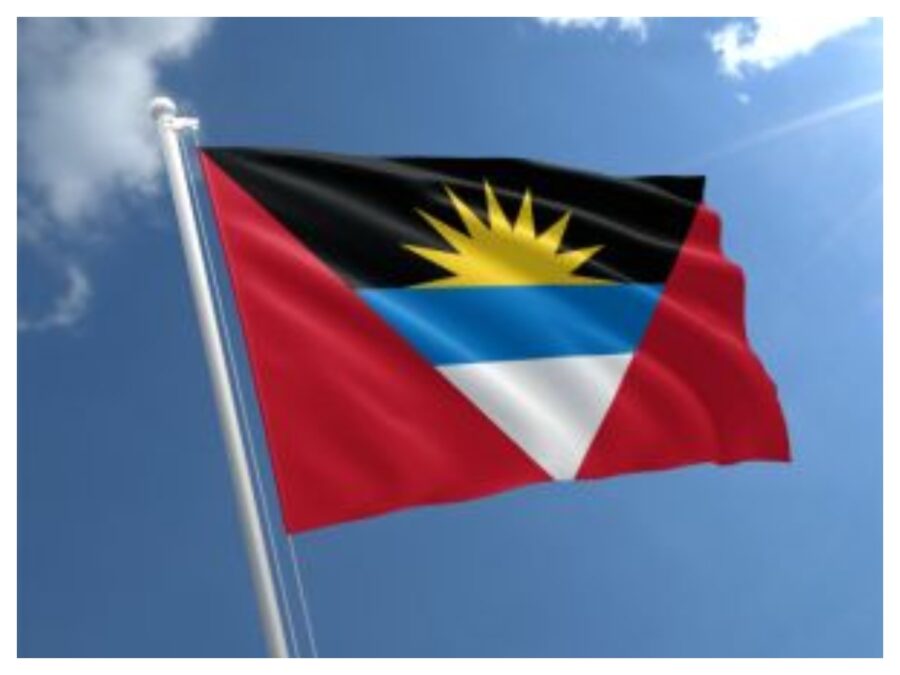
Antigua and Barbuda has recorded a 40 per cent increase in demand for gender-based violence support services, raising fresh concerns about the scale of abuse confronting women and vulnerable persons and the capacity of existing support systems to respond.
The Antigua Observer reported that the Support and Referral Centre recorded 137 clients during the first ten months of 2026, compared with 98 during the corresponding period last year.
Women accounted for 89 per cent of those seeking assistance, underscoring the disproportionate impact of gender-based violence on women.
The figures were disclosed by Executive Director of the Directorate of Gender Affairs, Jamie Saunders, during a panel discussion marking the launch of the 16 Days of Activism Against Gender-Based Violence on November 25.
This year’s campaign is being observed under the theme, From Awareness to Action, and runs until December 10, Human Rights Day.
The increase in demand for support services raises important questions about the effectiveness of existing prevention programmes, the availability of safe accommodation for survivors and the resources allocated to institutions responsible for responding to abuse.
Sexual assault cases highlight continuing concerns
The report also disclosed that the Special Victims Unit had recorded 75 sexual assault cases during the first ten months of 2026.
A particularly troubling aspect of the figures was the involvement of very young victims, highlighting the need for stronger child protection measures, effective investigations and accessible support services.
The figures do not necessarily establish that the overall incidence of gender-based violence has increased by 40 per cent. An increase in referrals and requests for assistance can also reflect greater awareness, improved reporting or increased willingness among survivors to seek help.
Nevertheless, the growing demand places additional responsibilities on agencies providing counselling, referrals, protection and other forms of assistance.
Shelter for survivors proposed
Another development is the proposed establishment of a shelter for survivors of gender-based violence.
The initiative has reportedly received Cabinet approval, with work towards establishing the facility expected to begin in 2027.
A dedicated shelter would provide a critical intervention for women and other survivors who cannot safely remain in their homes because of abuse, intimidation or threats.
However, the effectiveness of such a facility will depend on adequate funding, trained personnel, confidentiality safeguards and access to longer-term housing and other support services.
Moving beyond awareness
The launch of the 16 Days of Activism provides an opportunity for governments, civil society organisations and community groups to examine whether their responses to gender-based violence are producing meaningful results.
Awareness campaigns are important, but survivors also require accessible reporting mechanisms, timely police intervention, legal assistance, counselling and protection from further abuse.
The figures from Antigua and Barbuda demonstrate the importance of ensuring that institutions are equipped to respond to those seeking help.
As the regional campaign progresses, the challenge for policymakers is to translate public commitments into sustained services and stronger protections for women and children.
The ultimate measure of success must be whether survivors can access protection, obtain justice and rebuild their lives without fear of further violence.