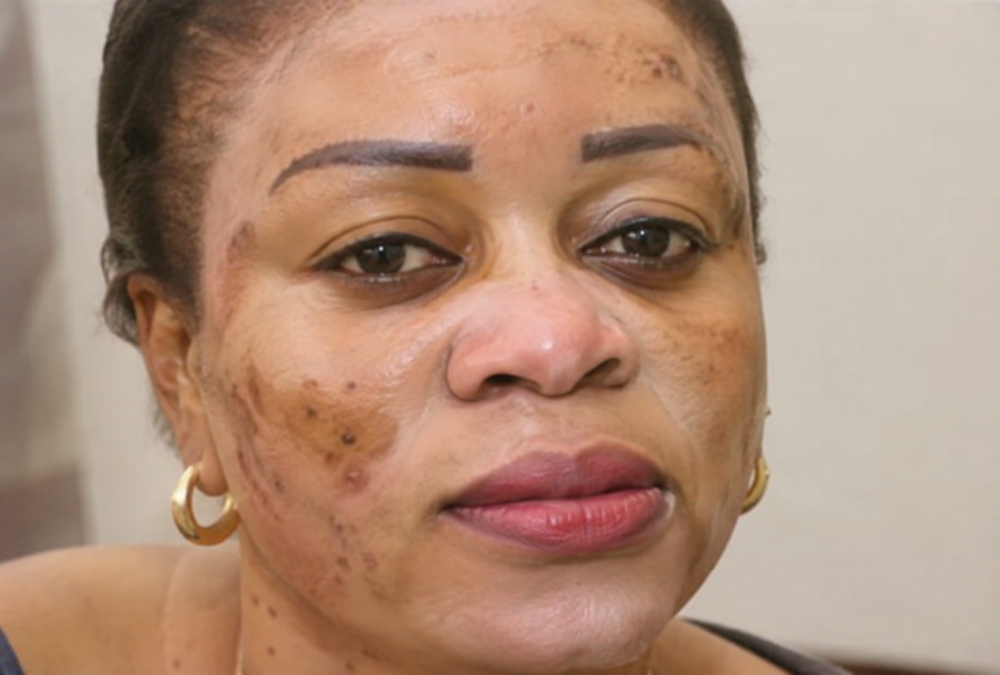
The pursuit of lighter skin has become more than a cosmetic preference for many people. It is a potentially dangerous practice driven by beauty standards, colourism, social pressures and deeply rooted perceptions that lighter skin is more attractive, desirable or socially acceptable.
Behind the promise of a brighter complexion, however, lies a troubling public health concern: skin-lightening products can expose users to toxic chemicals, permanent skin damage and serious health complications, often without their full understanding of the risks.
Skin bleaching, also referred to as skin lightening or whitening, involves using creams, soaps, injections or other preparations to reduce the skin’s natural pigmentation. Some products contain hydroquinone, potent corticosteroids or mercury compounds, while others contain combinations of ingredients that may be undisclosed or improperly labelled.
The concern is not simply that people are changing their appearance. It is that some are placing their health at risk in pursuit of a beauty ideal that reinforces the belief that lighter skin is somehow superior.
The World Health Organisation (WHO) has identified mercury as one of the particularly dangerous substances used in some skin-lightening products. According to the organisation, mercury exposure can cause kidney damage, nervous system disorders and skin problems. Exposure during pregnancy is especially concerning because mercury can harm the developing child.
The United States Food and Drug Administration (FDA) has also warned about the dangers. Its investigations have linked hydroquinone-containing products to skin rashes, facial swelling and ochronosis, a condition that can cause permanent blue-black skin discolouration.
The scale of the problem
The figures are concerning. A 2018 meta-analysis published in the International Journal of Dermatology, examining 68 studies involving 67,665 participants, estimated the pooled lifetime prevalence of skin bleaching at 27.7 per cent worldwide. The researchers found particularly high prevalence among younger people, with an estimated 55.9 per cent among those aged 30 and under.
A separate Caribbean study involving 1,226 university students aged 18 to 30 in Jamaica, Barbados and Grenada found that 25.4 per cent reported skin bleaching. While the findings cannot be generalised to the entire Caribbean population, they demonstrate that the practice is not confined to distant regions.
A systematic review published in 2022 examined 787 skin-lightening products from 22 countries. Nineteen of the 25 studies assessing mercury identified at least one product containing mercury above the international limit. Some products contained extraordinarily high concentrations, reaching 314,387 micrograms per gram.
WHO has also reported that testing of more than 300 products from 22 countries in 2018 found approximately 10 per cent exceeded the permitted mercury limit, with some containing up to 100 times the authorised amount.
The psychological cost of lighter skin
Beyond the physical dangers, skin bleaching raises difficult questions about self-esteem, identity and the social pressures placed on people, particularly women and young girls.
The practice is frequently associated with colourism: discrimination or preferential treatment based on skin tone, often within the same racial or ethnic community.
When lighter complexions are repeatedly presented in advertising, entertainment, fashion and social media as the preferred standard of beauty, darker-skinned individuals may internalise the message that their natural appearance is inadequate.
A 2026 systematic review published in BMC Public Health, which examined 43 studies, identified beauty expectations, dissatisfaction with skin tone, self-esteem, social status, employment prospects, advertising and colourism among the factors motivating cosmetic skin whitening.
The psychological implications extend beyond appearance. People may experience pressure to change their complexion to attract partners, improve their social acceptance or feel more confident. However, the pursuit of an altered appearance does not necessarily resolve underlying insecurities when those insecurities are reinforced by discriminatory beauty standards.
Who is protecting consumers?
The availability of potentially dangerous products raises questions about consumer protection, product labelling, regulatory enforcement and the responsibilities of retailers and online sellers.
In September 2026, a Reuters investigation reported that more than 20 skin-bleaching products believed to contain mercury remained available through major online marketplaces, despite international restrictions. The products reportedly did not disclose mercury in their ingredient lists, highlighting the difficulties regulators face in policing cross-border sales.
The Minamata Convention on Mercury prohibits the manufacture, import and export of cosmetics containing mercury above one part per million. Yet the continued circulation of hazardous products demonstrates that international restrictions alone cannot eliminate the problem.
For Guyana and the wider Caribbean, the issue warrants closer examination by public health authorities, consumer protection agencies, dermatologists and regulators. There is a need for greater public education, stronger monitoring of imported cosmetics, scrutiny of product ingredients and accessible information about the dangers of prolonged use.
Consumers should be particularly cautious of products without proper ingredient lists, products promising dramatic complexion changes and preparations purchased from unverified online sellers. Anyone experiencing adverse reactions should discontinue use and seek medical advice.
Ultimately, the question is not simply why people want lighter skin, but why society continues to create conditions in which individuals feel compelled to change their natural complexion to be considered beautiful.
No cosmetic promise should come at the expense of a person’s health, identity or self-worth.