LONDON (AP) — For Britain’s royal family, slavery is the issue that won’t go away.
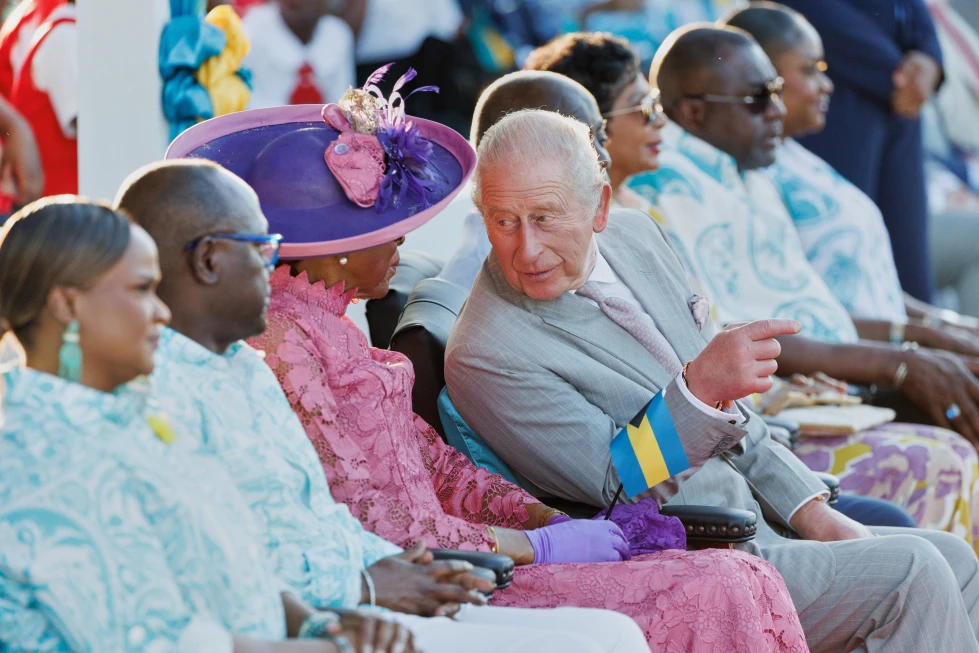
As King Charles III tours the Bahamas, Guyana and Antigua and Barbuda over the next nine days, he will be repeatedly reminded that he is the inheritor of a throne that presided over the enslavement of millions of Africans who were shipped to the Caribbean and North America, where they worked for the profit of their owners and, ultimately, the British Empire.
Facing demands that Britain apologize and pay reparations, palace officials say Charles will reiterate previous comments that slavery was an “atrocity that forever stains our history,” while stopping short of an apology.
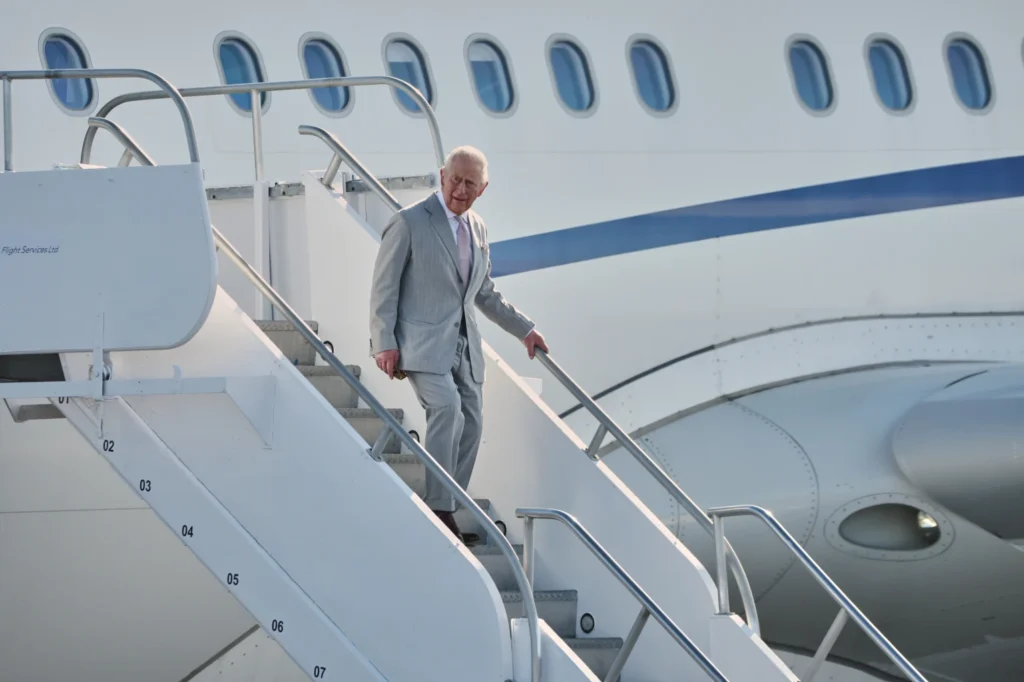
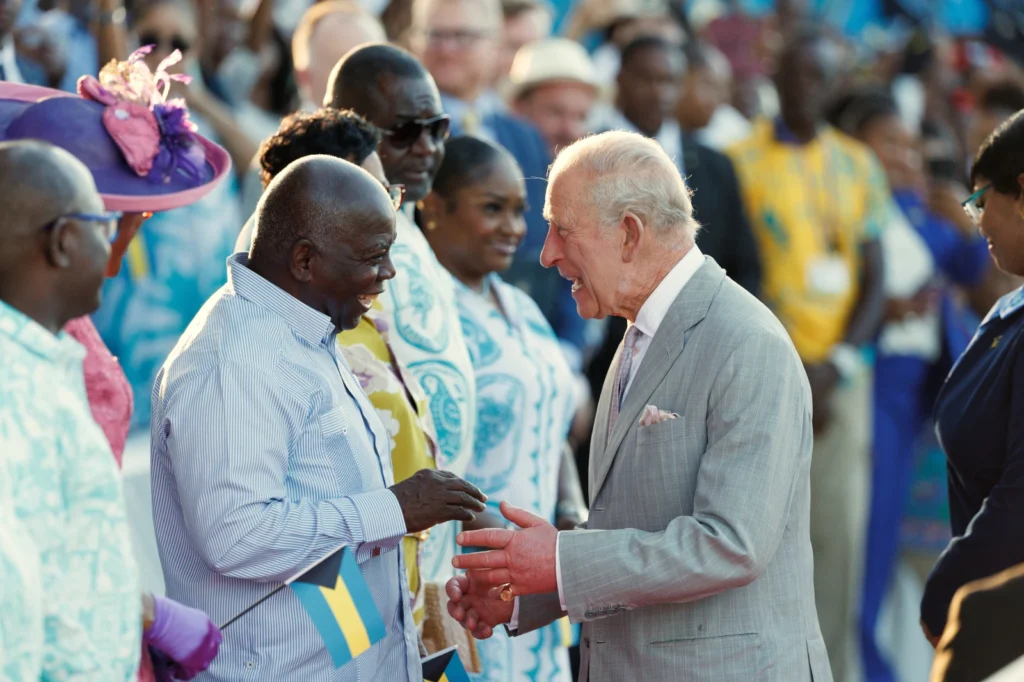
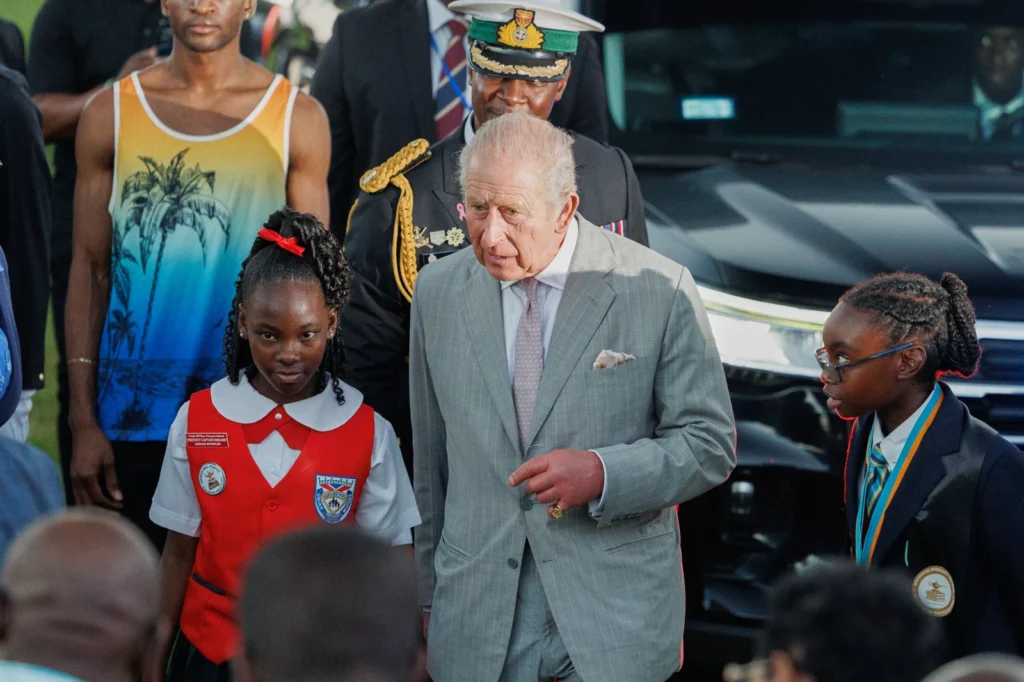
“It is only right that we should acknowledge the great suffering and injustices of the past,” the king said Tuesday at a youth rally in Nassau, the Bahamian capital.
But the language suggested by the palace won’t silence the monarchy’s critics, said Brooke Newman, the author of “The Crown’s Silence: The Hidden History of the British Monarchy and Slavery in the Americas.”
“That is hollow,” Newman said, referring to Charles’ expected comments. “It doesn’t create dialogue. It doesn’t allow for any kind of conversation with descendants, and it absolutely does not move this issue forward. And so people are frustrated because they’re being essentially told by the government and by the king that this matter is off the table.”
Monarchy’s links to slavery date to 1563
In 464 heavily footnoted pages, Newman, a professor of history at Virginia Commonwealth University, details the monarchy’s links to slavery from the late 1500s through the abolition of the slave trade in 1807 and the abolition of slavery in the British Empire 26 years later.
British monarchs did more than just preside over an empire where enslaved Africans were shipped across the Atlantic Ocean to labor in the sugar, tobacco and cotton fields of the New World, Newman argues in her book.
As early as 1563, more than 40 years before England established its first colony in North America, Queen Elizabeth I supported sea captain John Hawkins’ plan to raid Portuguese ports on the coast of West Africa and transport captured Africans to Spanish colonies of the Caribbean. In return for lending Hawkins a Royal Navy warship, the queen received a share of the profits.
“His daring slave-trading venture enriched the royal coffers, securing Elizabeth I’s historical legacy as the first English monarch to profit directly from the transatlantic slave trade,” Newman wrote.
Africa trade started with gold and ivory, expanded to humans
But Elizabeth I wasn’t the last.
Almost 100 years later, King Charles II gave the Company of Royal Adventurers into Africa, later known simply as the Royal African Company, exclusive trading rights to the west African coast. The company quickly expanded from commodities such as gold, hides and ivory into the trade in enslaved Africans.
The king and his brother, the Duke of York, who later became King James II, were among the company’s investors.
License this photo
Pressure for Britain — along with the United States, Portugal, Spain and others who profited from slavery — to pay reparations has increased in recent years as Caribbean and African nations united behind the issue.
The United Nations General Assembly in March approved a resolution calling for reparatory justice, including a full apology and compensation both for the period of enslavement and for continuing harms such as reduced economic opportunity, lower income levels and shorter life expectancy for Black people in the Caribbean and the Americas. The U.K. abstained from the vote.” alt=”” />
The king is constrained by government policy
Charles won’t apologize during his Caribbean tour because he speaks on behalf of the elected government, not for himself, said Craig Prescott, an expert on constitutional law and the monarchy at Royal Holloway, University of London.
“It’s not a matter for the king, in that sense,” he said. “And it is the longstanding policy of the government to, yes, note that slavery happened and that it is a stain on British history, but that reparations are not payable.”
Reparations could potentially cost the U.K. hundreds of billions of pounds, so the issue is particularly sensitive for the current government, which is struggling to pay for popular social programs as the rising cost of living squeezes taxpayers.” alt=”” />
But Charles must also think about how his comments will be received in the Caribbean and throughout the Commonwealth, which he heads.
The Commonwealth is an association of 56 independent nations, many of which are in Africa, Asia and the Caribbean and were once part of the British Empire. The British monarch remains the head of state for 14 Commonwealth countries other than the U.K.
The last four days of the king’s Caribbean tour will be in Antigua and Barbuda, which is hosting a biannual meeting of Commonwealth leaders.
Caribbean leader appeals to Charles as a man, not the king
Hilary Beckles, the chair of the Caribbean Community’s reparations commission, called on Charles to respond to the demands of Caribbean people as a human being, not as the head of the Commonwealth or the monarch of the United Kingdom.
“I’m appealing to Charles Windsor, a parent, a grandparent, a man today who reflects upon the history of his family and can see the enrichment that slavery has presented to his family,” Beckles, the vice chancellor of the University of the West Indies, said last week during a press briefing ahead of the king’s visit.
“The wealth he is passing on to his children and his grandchildren all came out in significant sums to this process of the chattelization of the African people,” Beckles added.
Britain and the monarchy have struggled with these issues before.
In 2007, the country marked the 200th anniversary of the abolition of the slave trade by celebrating the work of William Wilberforce and his allies, who spent 20 years convincing Parliament to outlaw the trade in human beings.
But when the late Queen Elizabeth II, Prime Minister Tony Blair and other dignitaries gathered at Westminster Abbey for a service of commemoration, the proceedings were interrupted by a Black man wearing a dashiki.
“You, the queen, should be ashamed,” Toyin Agbetu said as guards hustled him toward the exit. “You should say sorry!”
Agbetu later said that Britain’s leaders were “patting themselves on the back” for abolishing the slave trade without acknowledging the suffering slavery had caused.
That is the challenge Charles and the nation still face, Newman said.
“Even when Charles is discussing, you know, the darker days of the past and all of that, that’s just a sound bite where you’re not really digging into this history and assessing it …” she said.
“The afterlives of colonialism and slavery are still with us, so this is not something that can just be easily described in a sentence or two and then you move on.”
___
This story was corrected to show that Brooke Newman is a professor of history, not an associate professor of history.